A metal mistaken for lead
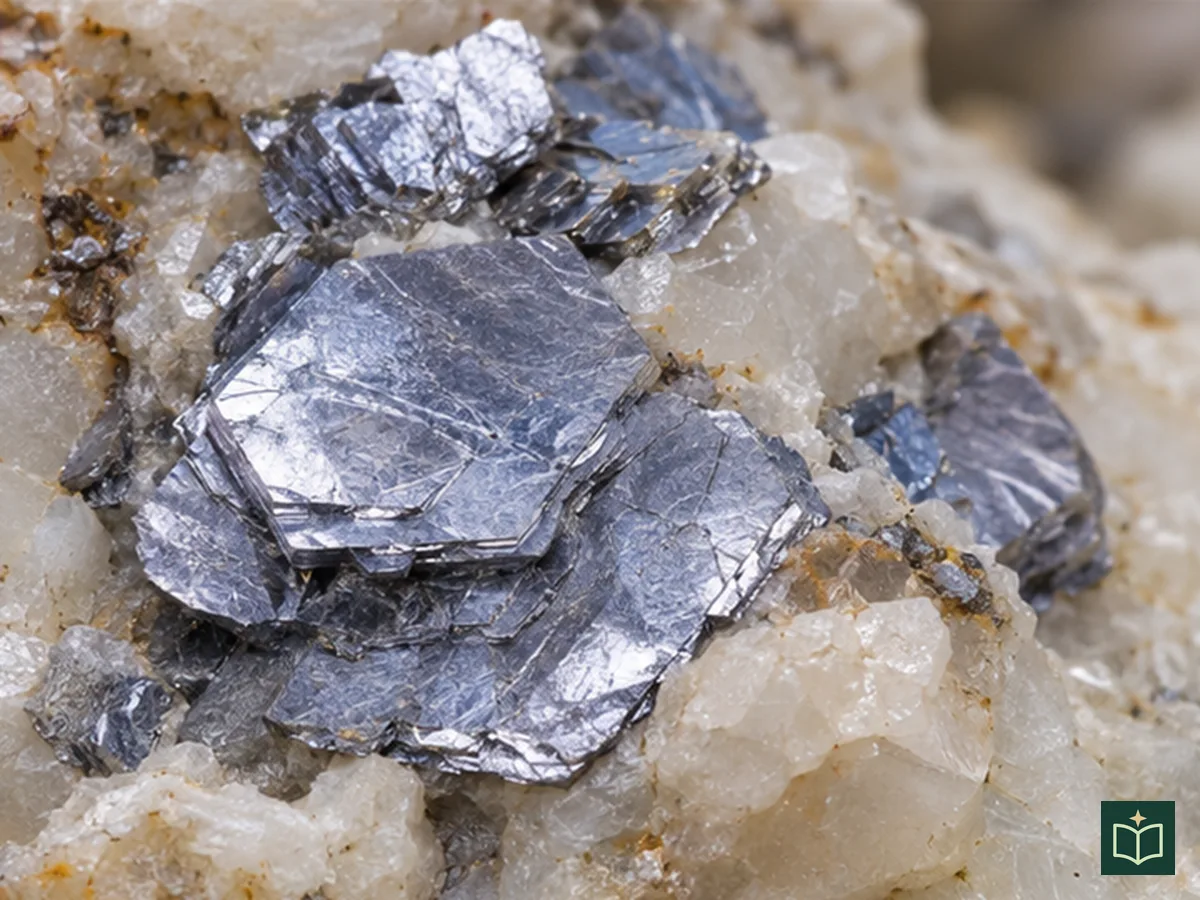
Molybdenum’s name comes from the Greek word for lead, because its soft grey ore, molybdenite, was long confused with lead ore and with graphite. Both leave grey marks on paper. In 1778 the Swedish chemist Carl Wilhelm Scheele showed that molybdenite was a distinct substance, and in 1781 Peter Jacob Hjelm isolated the metal. For more than a century it had very few practical uses. That changed when steelmakers discovered what small amounts could do. During the First World War, demand for armour plate and gun steels drove the first large-scale mining, and the metal has been an industrial workhorse since.
Strength that survives heat
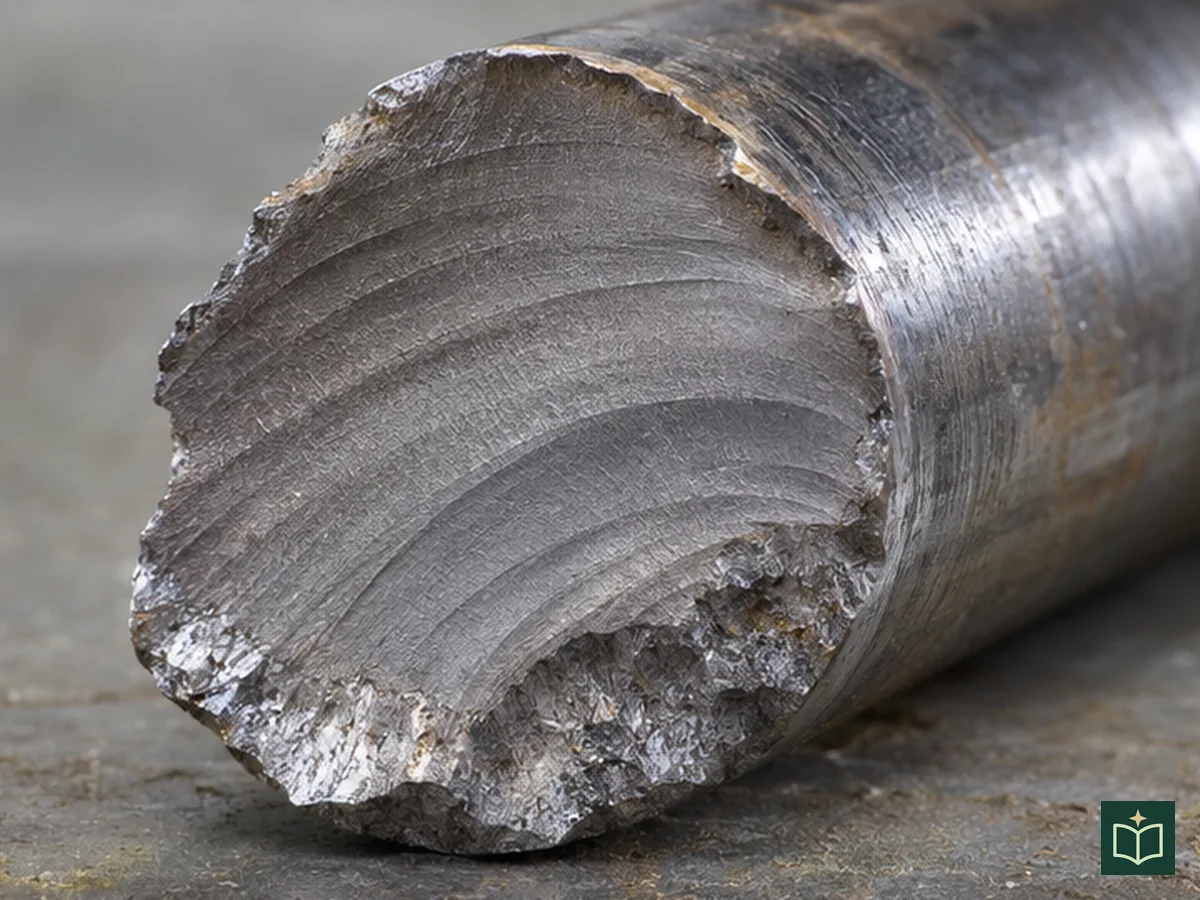
Ordinary steel weakens as it gets hot. Under constant load at several hundred degrees, it slowly stretches over months and years, a process called creep. Molybdenum slows this. Its large atoms sit among the iron atoms and resist the movement of defects, and it forms fine carbides that pin the metal’s internal structure in place. It also reduces temper embrittlement, a loss of toughness that can occur after heat treatment, and helps thick sections harden evenly. Chromium-molybdenum steels, known in workshops as chrome-moly, are used for boiler tubes, pressure vessels, steam pipes and bicycle frames, wherever strength must last under heat or stress.
Refineries and pipelines
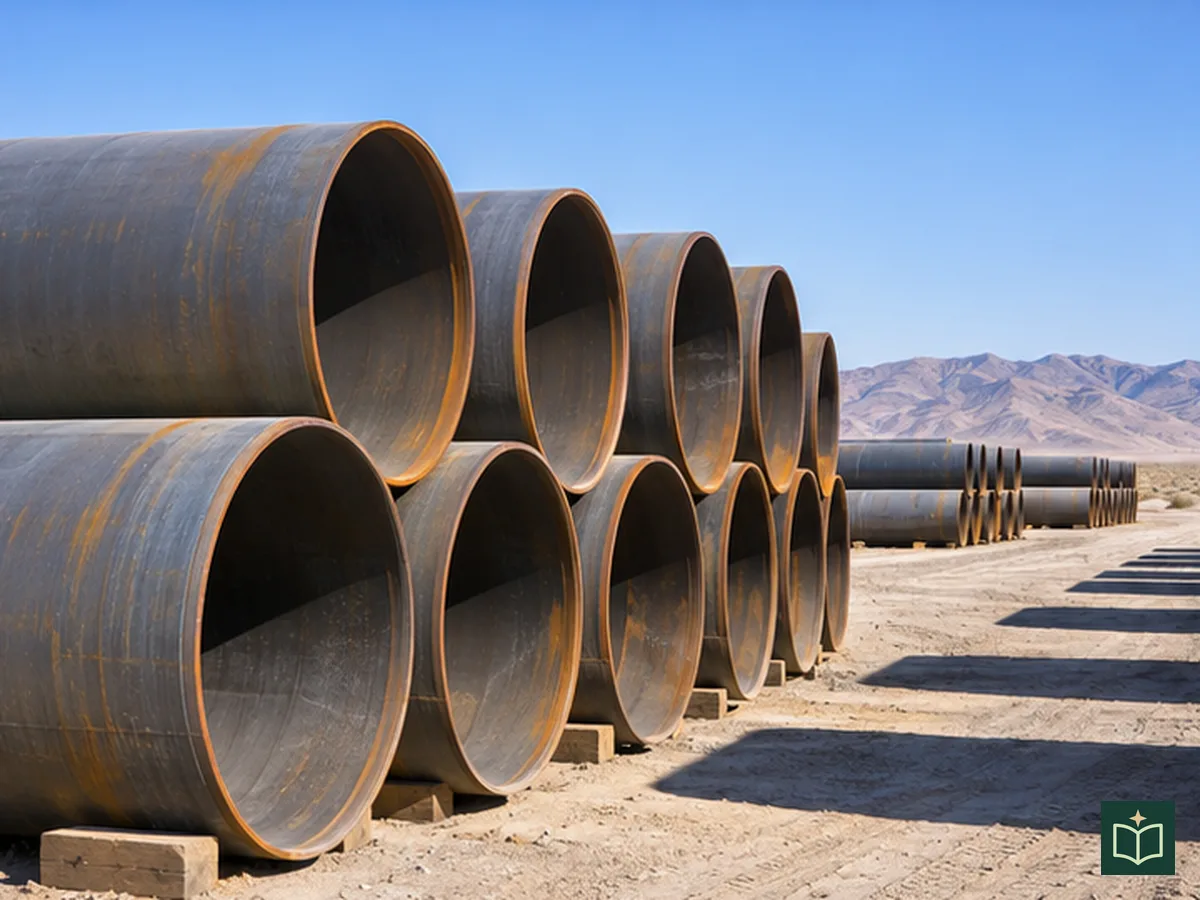
Oil refineries and power stations are full of molybdenum. Steels such as 2.25% chromium with 1% molybdenum, and grades with 9% chromium and 1% molybdenum, are standard for hot, high-pressure equipment, including hydrocrackers that process crude oil at around 400 °C or more. In stainless steels, molybdenum strengthens the protective surface film against chlorides, which is why it is added to grades used in seawater and desalination plants along the Gulf coast. Molybdenum also appears inside refineries in another form: catalysts made of molybdenum combined with cobalt or nickel remove sulphur from petrol and diesel, helping to meet low-sulphur fuel standards.
Mostly a by-product
Molybdenite forms in the same kinds of deposits as copper, particularly the large porphyry deposits of the Andes and western North America. As a result, a large share of world supply comes as a by-product of copper mining, recovered by flotation after the copper minerals. Consider a mine processing 100,000 tonnes of ore a day containing 0.02% molybdenum and recovering 60% of it. That yields about 12 tonnes of molybdenum a day, or some 4,380 tonnes a year. The rest comes from primary mines, such as Climax in Colorado, which was once the world’s largest. China is the biggest producer, followed by countries including Chile, Peru and the United States.
Beyond steel
Most molybdenum ends up in steel and cast iron, but other uses are significant. Pure molybdenum and its alloys serve in furnace parts, glass-melting electrodes and the heat-resistant supports inside lamps and electronics. Molybdenite itself is an excellent dry lubricant, because its layered structure slides easily, and it is added to greases for heavy machinery. Very thin layers of molybdenum disulphide are studied as a semiconductor for future electronics. Molybdenum is also an essential trace element for nearly all living things: enzymes containing it help bacteria fix nitrogen from the air and help the human body process certain sulphur-containing compounds.
What to watch
Because so much molybdenum comes from copper mines, its supply rises and falls with copper output rather than with its own demand. That can make its price volatile, swinging sharply when steel and oil industries are busy or slow. The growth of liquefied natural gas, hydrogen and high-efficiency power plants, all of which need steels that tolerate heat, pressure or corrosion, supports long-term demand. Recycling helps too, since molybdenum-bearing steels are routinely remelted with their alloy content intact. Any figures on prices are best checked with current market sources; this article is general information, not investment advice. The metal’s role, however, is unlikely to change.
Sources & further reading
- International Molybdenum Association ↗
- Royal Society of Chemistry · Molybdenum ↗
- USGS · Molybdenum statistics and information ↗
Figures are rounded and widely published; check the linked organisations for the latest editions. These organisations do not endorse this website.