Born in revolution
The metric system was created in France in the 1790s, during the Revolution, to replace hundreds of local units with a rational system for everyone. The metre was originally defined as one ten-millionth of the distance from the North Pole to the Equator. Today the International System of Units (SI) defines units using constants of nature.
Easy scaling
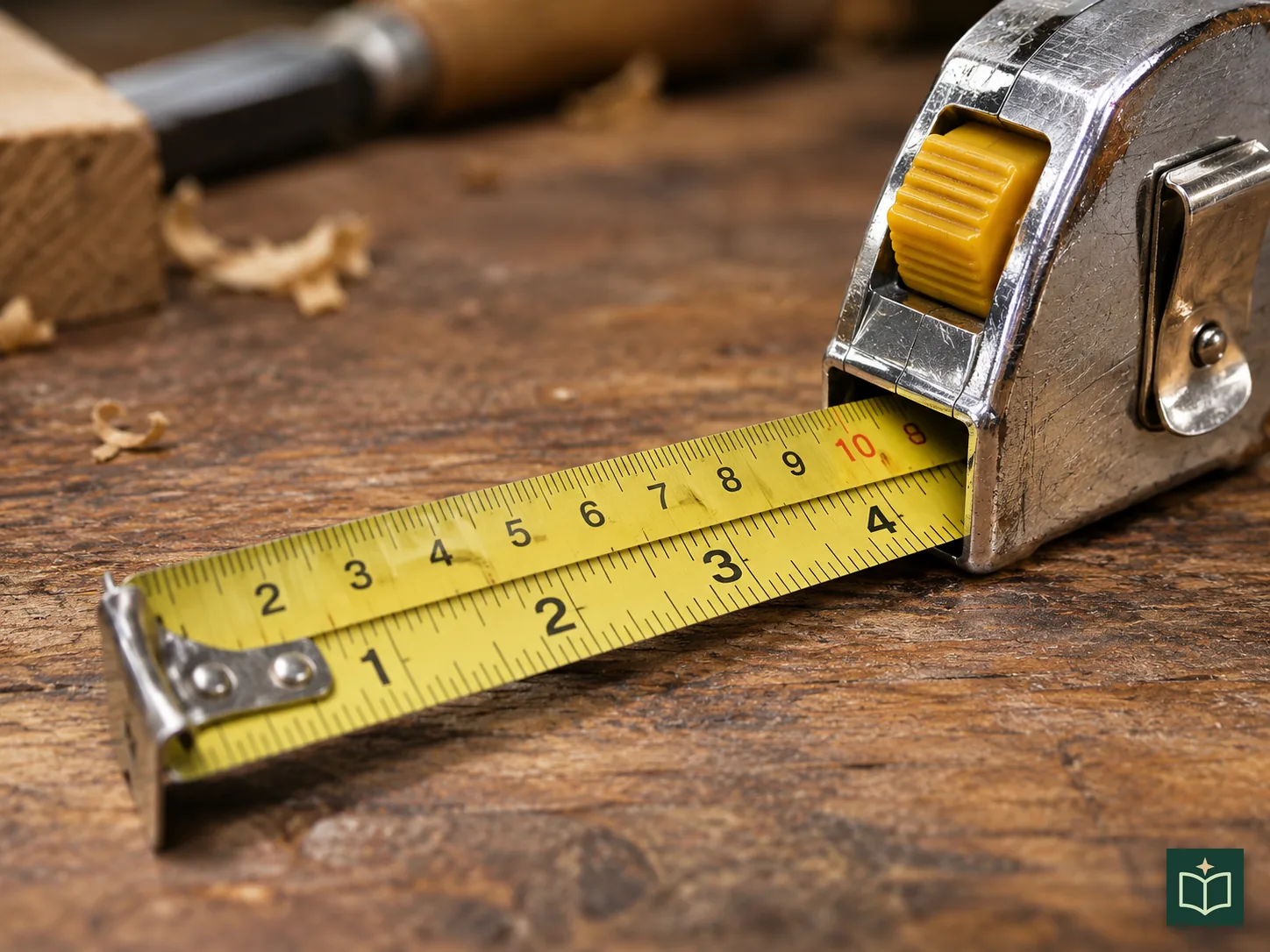
Metric units scale by powers of ten: 1,000 metres in a kilometre, 1,000 grams in a kilogram, 1,000 millilitres in a litre. Converting is a matter of moving a decimal point. Imperial and US customary units use ratios like 12 inches to a foot, 3 feet to a yard and 1,760 yards to a mile, which makes mental arithmetic harder.
Who uses what
Almost every country has officially adopted the metric system. The United States uses customary units in daily life, though science, medicine and the military use metric extensively. The United Kingdom is mostly metric but keeps miles on road signs and pints in pubs. Aviation worldwide still measures altitude in feet.
When mix-ups matter
In 1999, NASA lost the Mars Climate Orbiter because one engineering team’s software produced results in pound-force seconds while another expected newton-seconds. In 1983, an Air Canada jet ran out of fuel mid-flight partly because of a confusion between pounds and kilograms when fuelling. Careful unit labelling prevents such errors.
Sources & further reading
Figures are rounded and widely published; check the linked organisations for the latest editions. These organisations do not endorse this website.