How fibre works
Fibre-optic cables carry data as pulses of light through ultra-pure glass strands thinner than a hair. Light bounces along the core with little loss, so signals travel long distances. A single fibre can carry enormous amounts of data, and upgrading the equipment at each end can increase capacity without digging new cables. The UAE has some of the world’s highest fibre-to-the-home coverage.
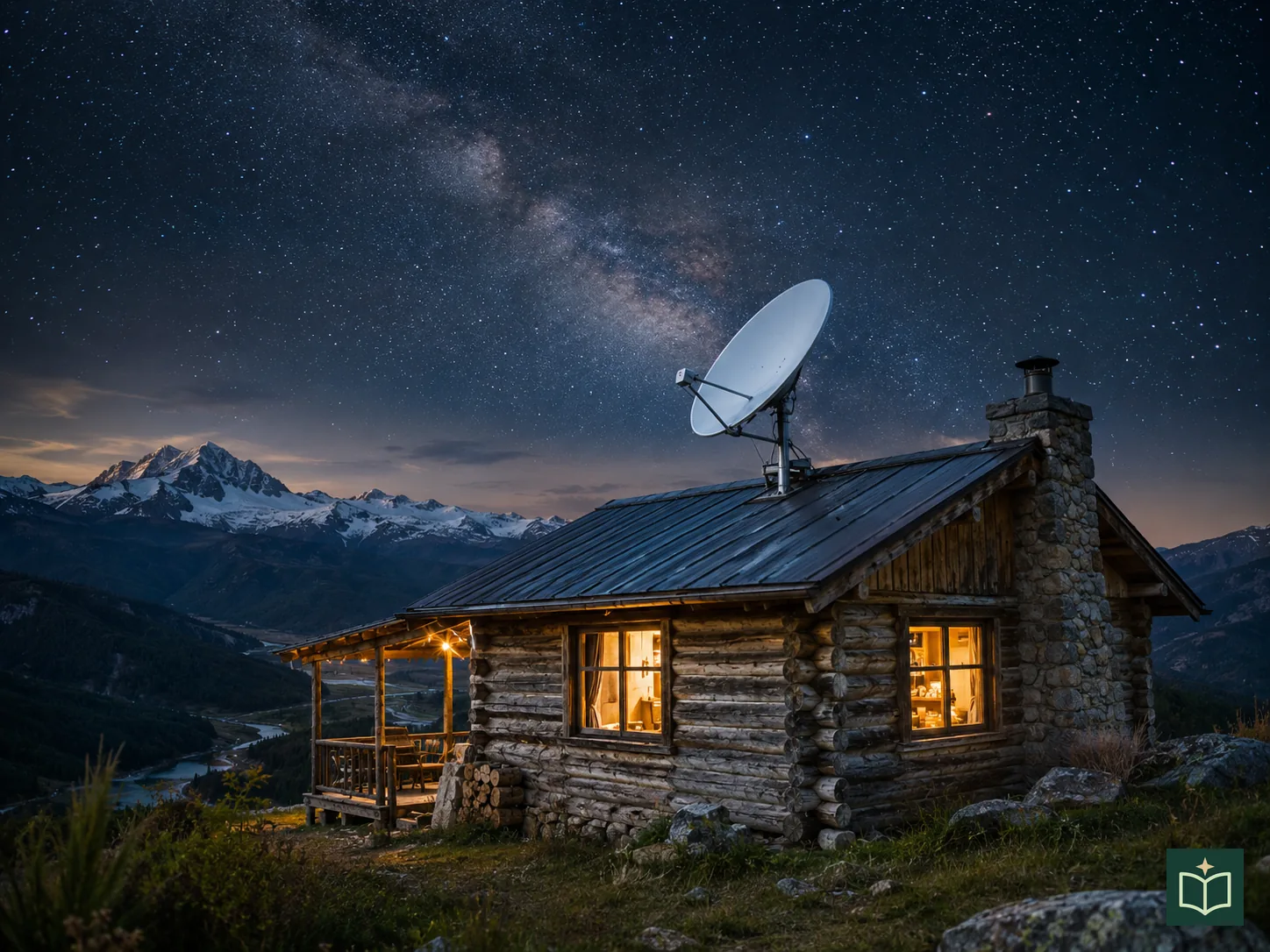
Geostationary satellites
Traditional satellite internet uses satellites about 36,000 kilometres above the Equator, which stay fixed over one spot. A few satellites can cover huge areas, but signals travel so far that round-trip delays are roughly 600 milliseconds, which makes video calls and gaming sluggish. Weather can also degrade the signal.
Low-Earth-orbit constellations
Newer systems such as Starlink and OneWeb use thousands of satellites orbiting a few hundred to about 1,200 kilometres up. Being closer cuts latency to tens of milliseconds, making them practical for many online uses. Because each satellite moves quickly across the sky, user terminals track them electronically and hand off between satellites.
Choosing between them
Fibre usually offers the best speed, reliability and price per gigabyte where it is available. Satellite internet is valuable for rural areas, ships, aircraft, remote sites and disaster zones. Astronomers have raised concerns about the brightness of large satellite constellations and the growing problem of space debris.
Sources & further reading
Figures are rounded and widely published; check the linked organisations for the latest editions. These organisations do not endorse this website.