One climate, five places
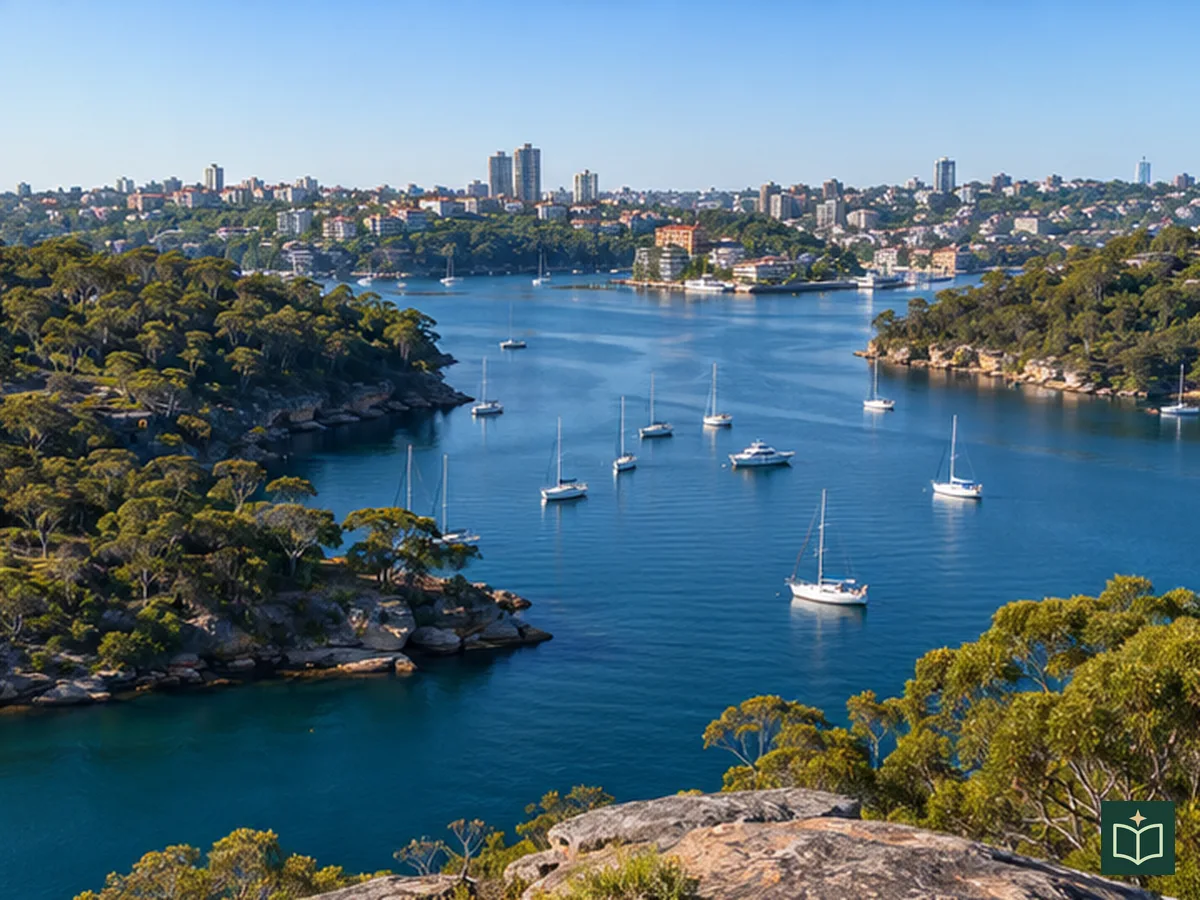
The Mediterranean climate is named after the lands around the Mediterranean Sea, but it appears in four other regions too: California, central Chile, the south-western tip of South Africa around Cape Town, and south-western and southern Australia, around Perth and Adelaide. All share the same rhythm. Summers are warm to hot and almost rainless; winters are mild and wet. Frost is uncommon near the coast. In the Köppen classification, these are the Cs climates. Together they cover only a small fraction of Earth's land, about two per cent, yet their landscapes, crops and fire seasons look strikingly alike, even though they lie on opposite sides of the planet.
Why the summers are dry
The pattern comes from the seasonal movement of the great atmospheric belts. Around 30 degrees north and south, air sinks from high altitude, warming and drying as it descends, and forms subtropical high-pressure zones that suppress cloud and rain. These belts shift with the sun. In summer they move poleward and sit over the Mediterranean-type regions, blocking storms. In winter they drift back towards the equator, letting westerly winds and their rain-bearing storms reach these coasts. Location on the western side of a continent matters too: there, cool ocean currents and stable air often reinforce the summer drought, and winter storms arrive straight off the ocean.
The five compared
Each region carries a local twist. The Mediterranean Basin is the largest, extending inland to Spain, Italy, Greece, Türkiye and the Levant. California's coast is cooled by the California Current, producing summer fog in San Francisco. Central Chile, around Santiago, lies between the Pacific and the Andes, with the Atacama Desert to its north. The Cape region of South Africa is small but botanically extraordinary. South-western Australia has the Indian Ocean on its doorstep and some of the world's oldest, most nutrient-poor soils. Beirut, a few hours' flight from the Gulf, sits within the Mediterranean zone, while the Gulf's own winter rain is far too scarce to qualify.
What grows there
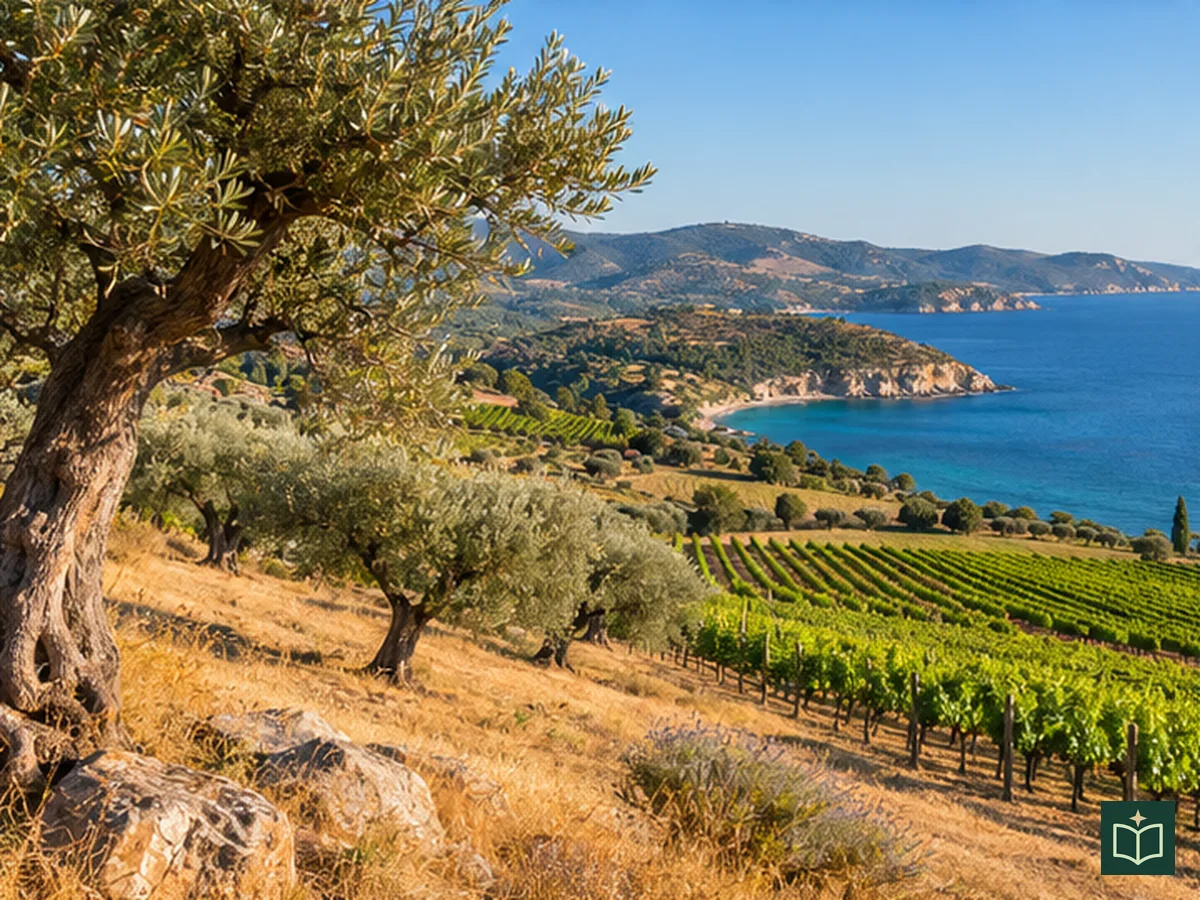
Plants in these regions face a hard combination: water arrives in winter, when it is cool, and disappears in summer, when it is warm enough to grow. Many respond with small, tough, leathery leaves that resist drying, and deep roots. The resulting shrublands have local names: maquis and garrigue around the Mediterranean, chaparral in California, matorral in Chile, fynbos in South Africa and kwongan in Australia. They are unusually rich in species. The Cape Floristic Region alone holds around 9,000 plant species, most found nowhere else. People transplanted Mediterranean crops to all five regions, so olives, grapes, citrus, almonds and wheat now grow on every one of them.
Fire and water
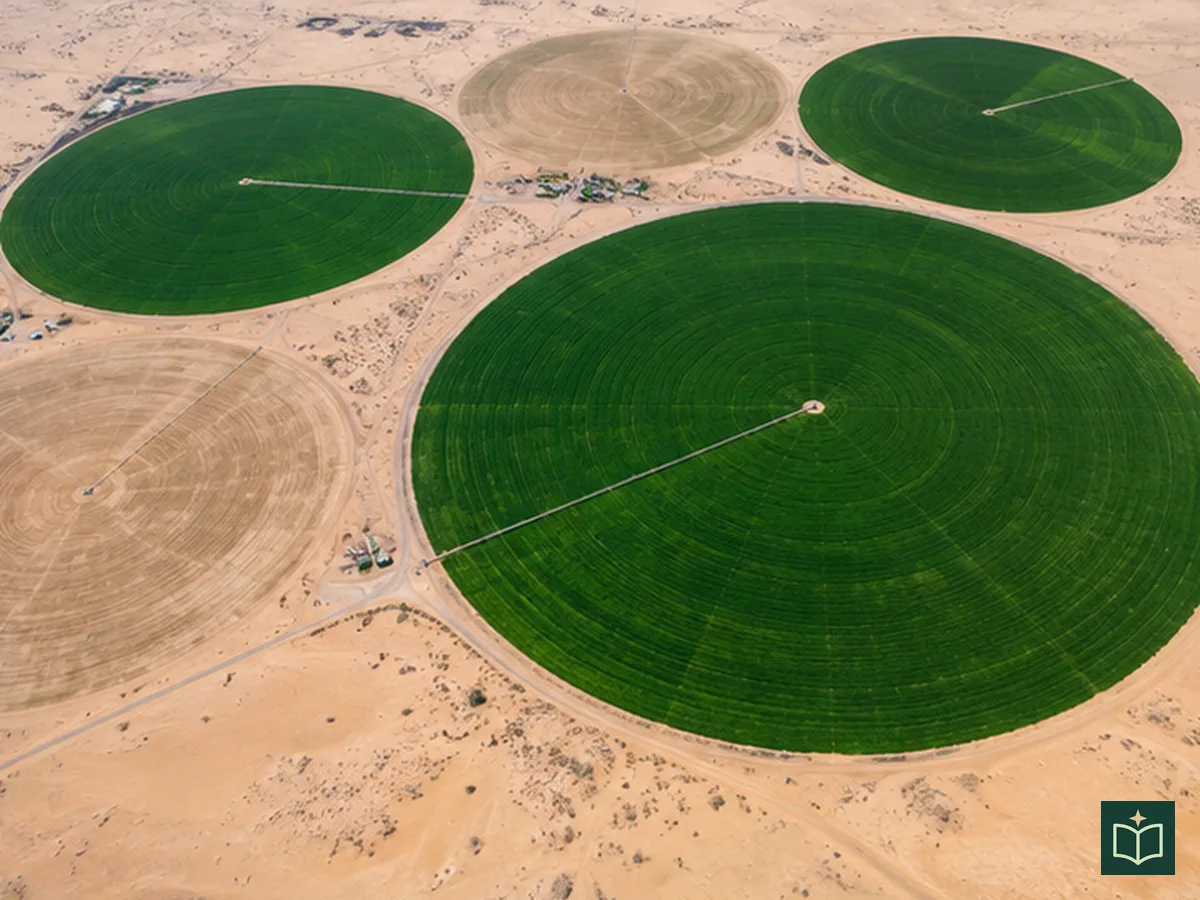
Long, dry summers make these regions prone to wildfire. Shrubs dry to tinder by late summer, and many native plants are adapted to burn and regrow, some needing fire to release their seeds. When fires meet expanding towns, the results can be destructive, as in California, Greece and south-eastern Australia's fringes. Water is the other constant concern. Rain falls in the season when crops need it least, so these regions built reservoirs, aqueducts and irrigation systems early, from Roman works to California's State Water Project. Droughts that cut winter rain can strain supplies for years, and groundwater is heavily used to bridge the gap.
A climate under watch
Climate models project that many Mediterranean-type regions will become drier and hotter, partly because the subtropical high-pressure belts are expected to expand poleward. That could lengthen the dry season and raise fire risk, affecting wine grapes, olives and water supplies. Scientists treat these regions as useful comparisons: what happens in Chile can inform planning in South Africa or Australia, because the climate drivers are so similar. For travellers, the lesson is simple. Wherever you find dry summer hills of grey-green shrubs, olive groves and vineyards on a west-facing coast, you are probably in a Mediterranean climate, no matter which continent you are on.
Sources & further reading
Figures are rounded and widely published; check the linked organisations for the latest editions. These organisations do not endorse this website.