An empress on the coin
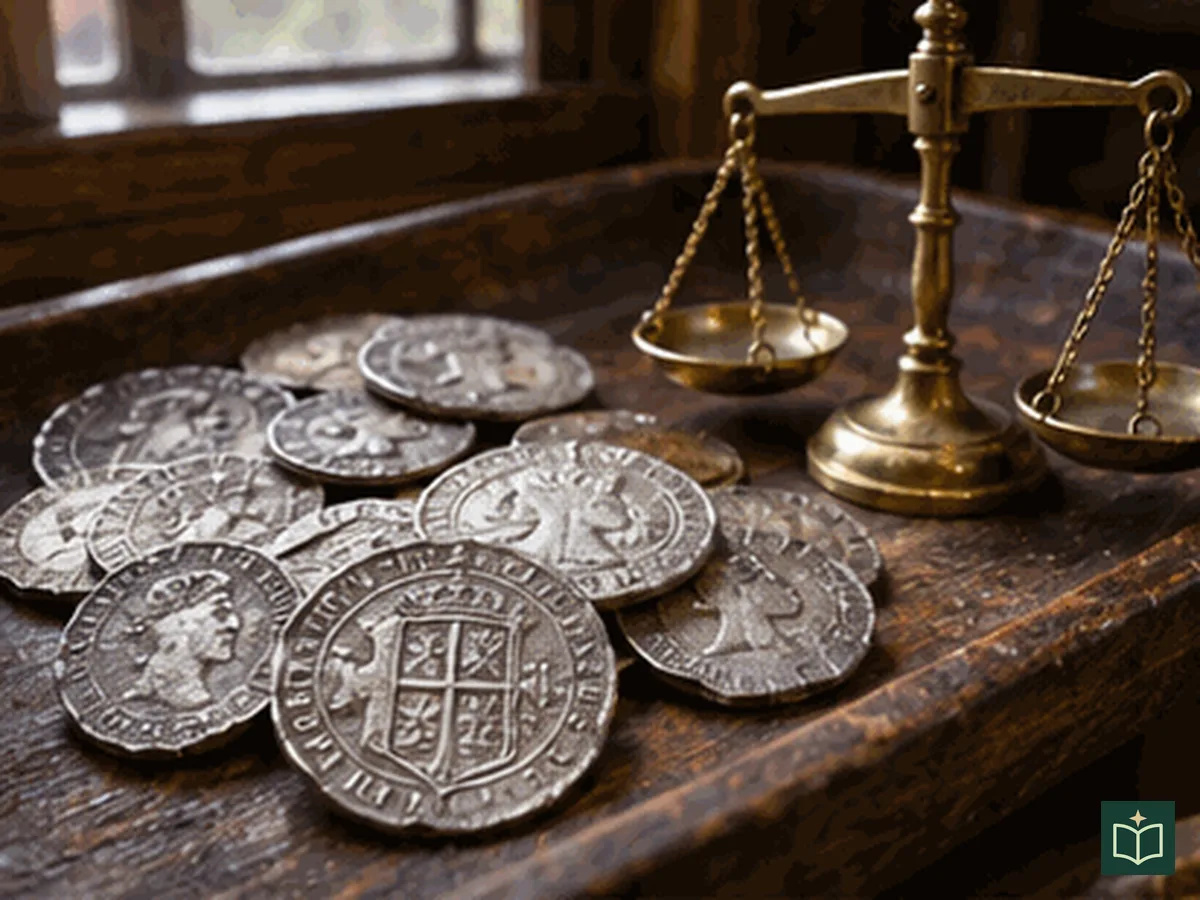
Maria Theresa ruled the Habsburg lands of central Europe from 1740 until her death in 1780. Her mints struck a large silver coin, the thaler, about 40 millimetres across and bearing her veiled portrait on one side and the double-headed imperial eagle on the other. Around the edge runs a Latin motto, Iustitia et Clementia, justice and clemency, which also protected the coin against clipping. Thalers were common across Europe, and the name gave English the word dollar. What made this one unusual was not its design but its afterlife. Austria decided to keep striking it, unchanged and still dated 1780, long after the empress was buried.
Why traders trusted it
Trade money works only if strangers accept it without argument. The Maria Theresa thaler was struck to a stable standard, so a merchant in a Red Sea port could expect the same silver in every coin. Its large size and detailed design made fakes harder to pass. Buyers in some markets reportedly checked particular details, such as the pearls of the brooch on the empress’s shoulder, and preferred coins with crisp features. In much of Arabia it was known as the riyal fransi, the ‘French’ riyal, a loose label for European coin, and it served as a unit of account for prices and wages.
What each coin contained
The coin’s value rested on its metal. Each piece weighs about 28.07 grams and is 833 parts per thousand silver, the rest mostly copper for hardness. Multiplying 28.07 by 0.833 gives about 23.4 grams of pure silver, or roughly three-quarters of a troy ounce at 31.1 grams to the ounce. A bag of 100 coins therefore weighed a little over 2.8 kilograms and held about 2.3 kilograms of silver. Caravans and dhows carried the coins in heavy sacks, and large payments were often checked by weighing rather than counting. The silver content set a floor under the coin’s value wherever it travelled.
From Yemen to the Gulf
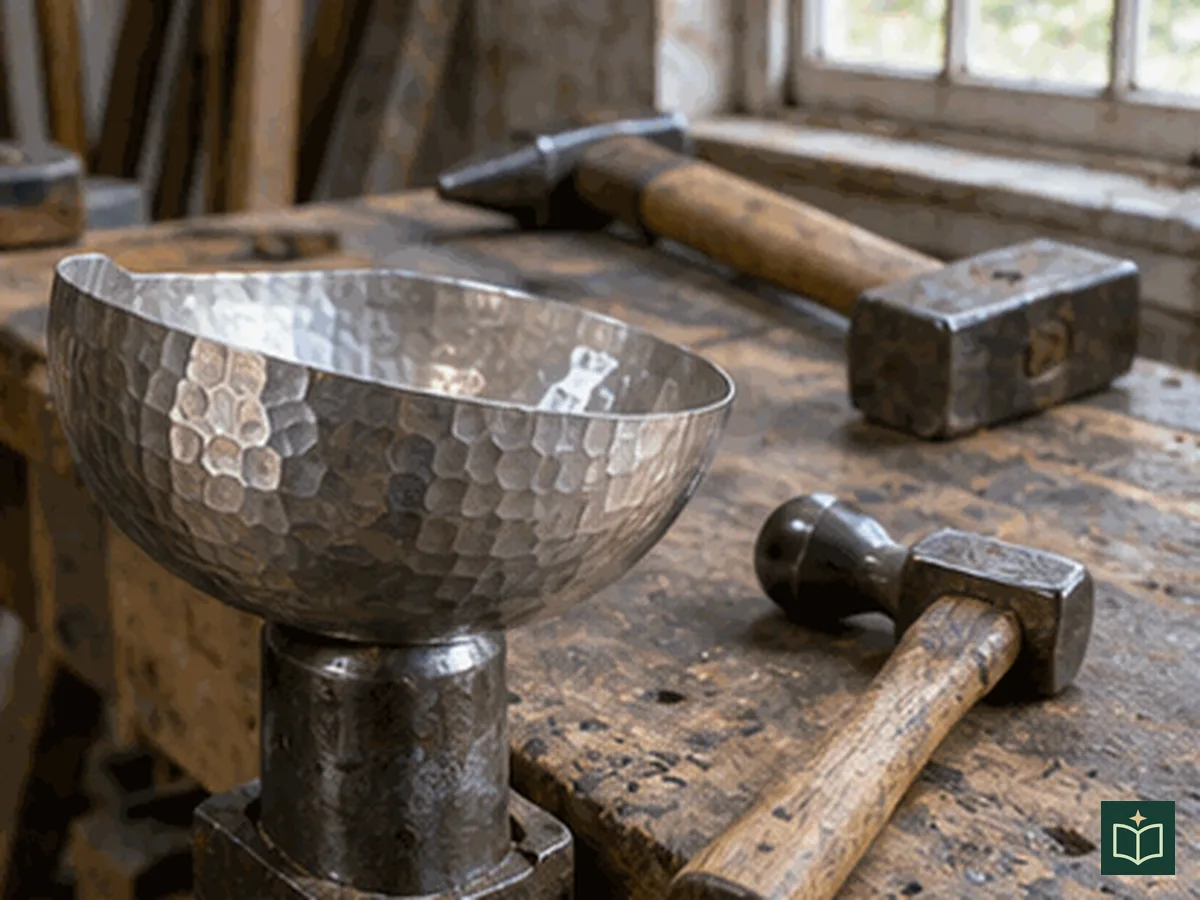
The coin reached Arabia through Levantine and Red Sea trade routes in the late eighteenth century and spread widely in the nineteenth. It was used in Yemen and the Hadramaut, in Oman and along the Gulf coast, and across the Red Sea in Ethiopia, Eritrea and Somalia, as well as in markets of the Sahel. Coffee, pearls and livestock were priced in it. Local rulers sometimes issued their own small change but continued to accept the thaler for large sums. Because it was pure enough to work, silversmiths in Oman, Yemen and the Gulf also melted the coins down as a ready supply of metal for jewellery and ornaments.
Struck long after 1780
Demand was strong enough that the coin outlived the empire that issued it. Vienna kept minting it through the nineteenth century, and in the twentieth other mints joined in. In the 1930s Italy struck it in Rome for use in its campaign in Ethiopia, and during the Second World War British mints, including Bombay, produced large quantities to pay for supplies and services across the Middle East and East Africa. Several hundred million coins have been struck in total. As Gulf states, Oman, Yemen and Ethiopia introduced national currencies in the mid-twentieth century, the thaler gradually lost its role as money.
A coin as souvenir and bullion
Today the Austrian Mint still strikes the Maria Theresa thaler, still dated 1780, as an official restrike sold to collectors and buyers of silver. It has no legal tender role in Arabia, and its value is broadly that of its silver plus a premium; anyone considering one as an investment should treat this as general information, not advice. In souks across the region, old thalers still appear on jewellery and in antique shops, sometimes pierced or fitted with loops. The coin is a reminder that money depends on trust more than on borders, and that a design people recognise can outlast the state that created it.
Sources & further reading
Figures are rounded and widely published; check the linked organisations for the latest editions. These organisations do not endorse this website.