A vineyard crisis
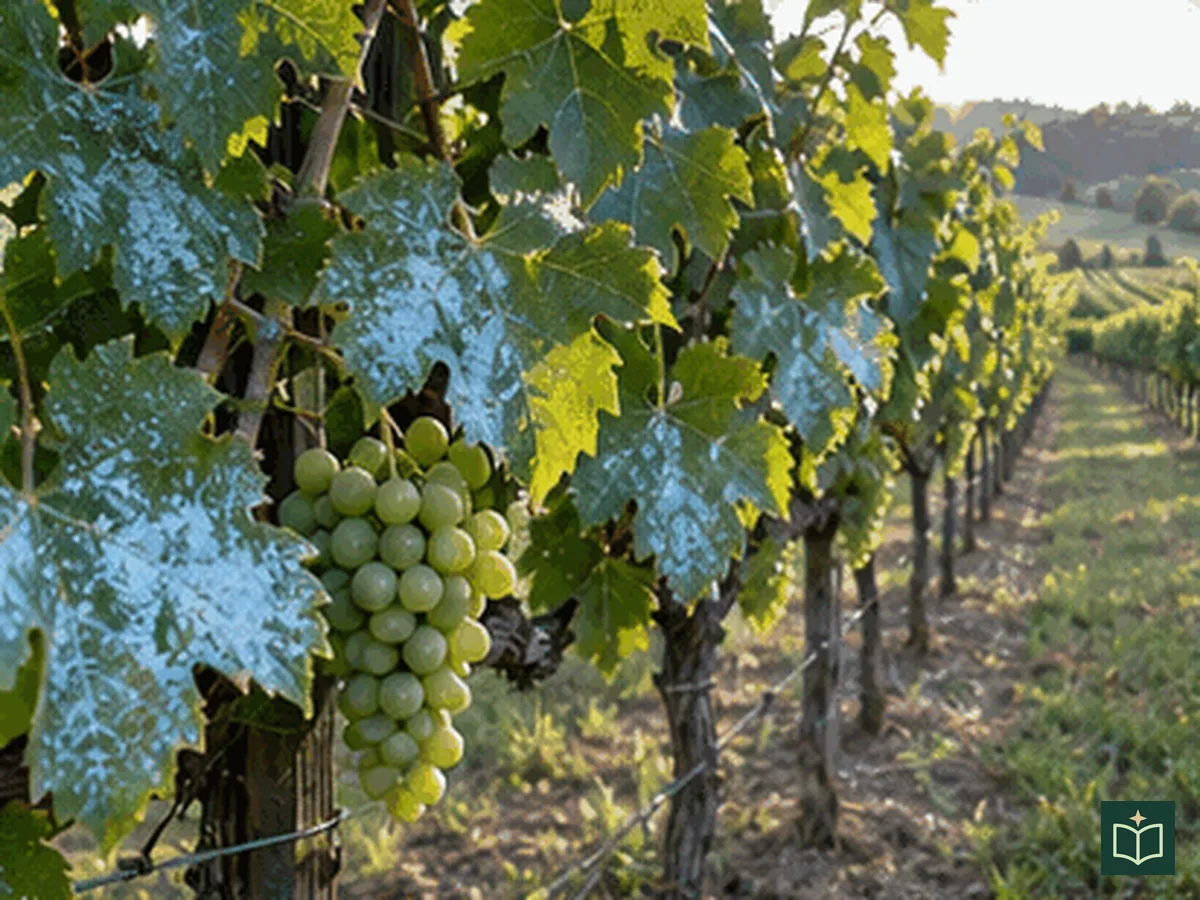
In the late nineteenth century French vineyards suffered a run of disasters imported from America. First came the root-sucking insect phylloxera; then, around 1878, downy mildew arrived. The disease is caused by Plasmopara viticola, a water mould that thrives in warm, wet weather, attacking leaves and young grapes and leaving vines stripped and harvests ruined. Downy mildew is not a true fungus but an oomycete, a separate group of organisms, although sprays against it are still called fungicides. The answer came from an unexpected place: the edges of vineyards in the Médoc, where grapes were protected from passers-by rather than from disease.
The roadside accident
Growers in the Médoc, north of the city of Bordeaux, sometimes daubed vines along the roads with a mixture of copper sulphate and lime. The blue-green stain looked poisonous and tasted bitter, discouraging people from picking the grapes. In 1882 Pierre-Marie-Alexis Millardet, a botany professor at the University of Bordeaux, noticed that these treated vines still held their leaves while mildew had stripped the rest. With colleagues, he then tested different recipes and, in 1885, published a method for what became known as Bordeaux mixture. Within a few years it was sprayed across Europe’s vineyards, and soon on potatoes, tomatoes and fruit trees.
How copper protects
Copper sulphate on its own is acidic and soluble enough to scorch leaves. Mixing it with slaked lime, calcium hydroxide, neutralises the solution and produces a pale blue suspension of basic copper compounds that dries into a film on the leaf. When dew or rain wets that film, it releases small amounts of copper ions. These ions attack the spores of the pathogen at many points at once, damaging proteins and membranes, so spores fail to germinate. Because copper acts on many targets, resistance has been rare. But it is a protectant, not a cure: it works only on surfaces it covers, before infection, and heavy rain can wash it away.
A worked example
A classic one per cent Bordeaux mixture uses one kilogram of copper sulphate crystals and one kilogram of lime in 100 litres of water. The hydrated crystals are about 25% copper by weight, so each 100 litres carries roughly 254 grams of copper. If a grower sprays 400 litres of mixture on a hectare of vines, that hectare receives about one kilogram of copper in a single pass. Under the European Union’s organic rules, which average four kilograms a hectare a year, that allows only around four such sprays, unless the grower uses weaker mixtures. In a wet season, when mildew threatens every week, the limit forces careful timing and lower doses.
The problem with copper
Copper does not break down. Each spray adds metal to the soil, and in vineyards treated for well over a century, topsoil copper levels can be many times natural background levels. High concentrations harm earthworms and soil microbes and can affect young plants, and runoff can carry copper into streams, where it is toxic to aquatic life. Copper also leaves blue residues on fruit and can stress leaves in cold, wet conditions. These concerns led European regulators to tighten limits and classify copper compounds as candidates for substitution. Conventional farmers can choose synthetic fungicides, but organic growers have few alternatives against downy mildew and late blight.
Still in the sprayer
Bordeaux mixture and related copper products such as copper hydroxide and copper oxychloride remain allowed in organic farming in the EU and many other countries, because copper is a naturally occurring mineral and no equally reliable organic option yet exists. Researchers are working on reducing copper doses through better forecasting of infection risk, more precise sprayers, plant extracts and microbial products, and on breeding grape varieties with natural resistance to mildew. Some newer resistant varieties need only a few sprays a year. In home gardens, copper fungicides are sold widely; as with any pesticide, following label rates and safety guidance protects both the user and the soil.
Sources & further reading
Figures are rounded and widely published; check the linked organisations for the latest editions. These organisations do not endorse this website.