Lighter than aluminium
Magnesium is the eighth most abundant element in Earth's crust and the third most plentiful dissolved in seawater. As a metal it is remarkably light: a cubic centimetre weighs about 1.74 grams, against 2.70 for aluminium and nearly 7.9 for steel. That makes it roughly a third lighter than aluminium and less than a quarter the weight of steel for the same volume. Its alloys are reasonably strong, easy to cast into thin, complex shapes and good at damping vibration. Those qualities explain why designers of cars, aircraft, power tools and portable electronics keep returning to magnesium whenever every gram counts.
Made from rock
Magnesium never occurs as a free metal, because it bonds tightly with oxygen, chlorine and carbonate. Most of the world's supply today comes from China using the Pidgeon process, developed in Canada in the 1940s. Dolomite, a common rock of calcium and magnesium carbonate, is roasted to drive off carbon dioxide, then mixed with ferrosilicon and heated to around 1,200 °C in sealed steel tubes under vacuum. The silicon takes the oxygen, and magnesium vapour condenses as crystals at the cool end. The method is simple and suited to small plants, but it uses a great deal of energy, much of it from coal.
Made from the sea
The other route is electrolysis. In 1941 the American chemical firm Dow began extracting magnesium from seawater at Freeport, Texas. Lime added to seawater precipitated magnesium hydroxide, which was turned into magnesium chloride and split by electric current in molten-salt cells, releasing magnesium metal and chlorine gas. Seawater contains about 1.3 grams of magnesium per kilogram, effectively an inexhaustible store. The plant supplied much of the metal for Allied aircraft in the Second World War. Electrolytic plants have since run on concentrated brines from the Dead Sea and Utah's Great Salt Lake, and researchers study desalination brine as a future source.
Where it is used
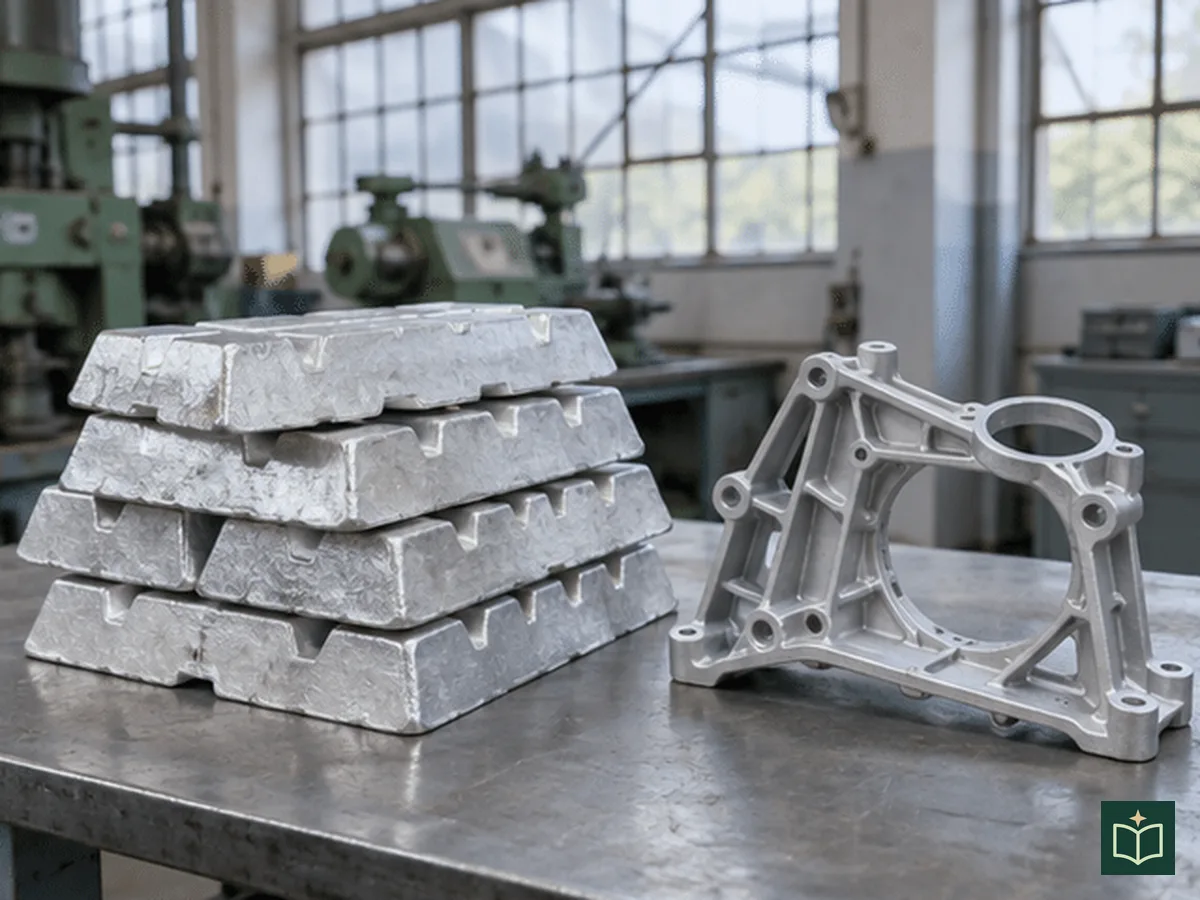
Surprisingly, much magnesium ends up inside other metals. A few per cent strengthens aluminium alloys, including the sheet used for drink cans. Steelmakers inject magnesium to remove sulphur from molten iron, and titanium producers use it to strip chlorine from titanium tetrachloride. As a structural metal it is die-cast into steering-wheel frames, seat frames, gearbox housings, laptop shells and camera bodies. A worked example shows the attraction: an aluminium bracket weighing 10 kilograms, recast in magnesium at the same size, would weigh about 10 × 1.74 ÷ 2.70, or around 6.4 kilograms. In practice designers often thicken magnesium parts to match stiffness, trimming some of that saving.
The fire question
Magnesium's reputation for flammability is partly deserved. Thin ribbon, powder and machining chips ignite readily and burn with a blinding white flame at about 3,000 °C, which is why magnesium was used in early camera flashes and is still used in flares. Water makes such a fire worse, because hot magnesium splits it and releases hydrogen; special dry-powder extinguishers are needed. Solid castings, however, are hard to ignite, because the bulk metal conducts heat away. Modern alloys with added rare earths or calcium resist ignition further, and aviation regulators have allowed suitable magnesium alloys in aircraft seat frames after fire testing.
Corrosion and the road ahead
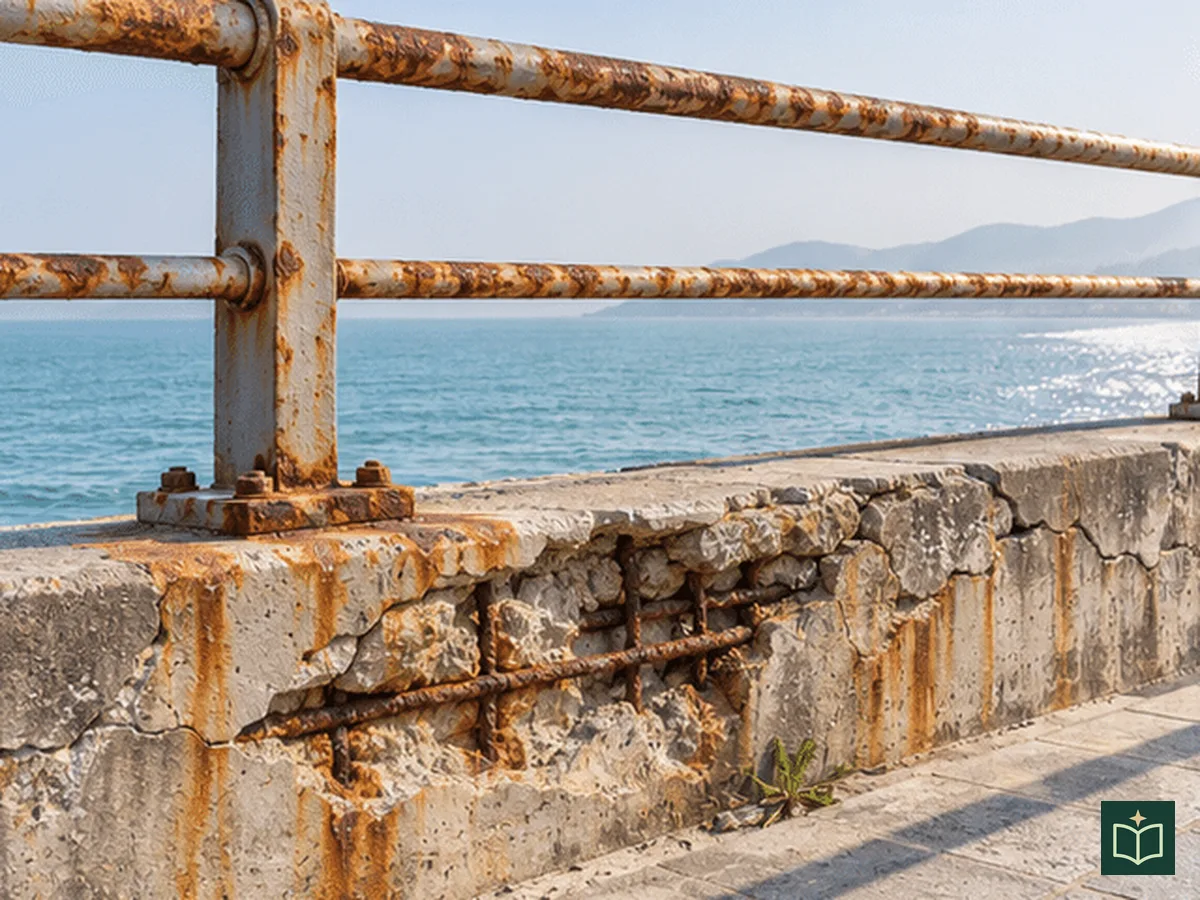
The bigger practical obstacle is corrosion. Magnesium is one of the most reactive structural metals, so it corrodes quickly when wet with salt water and suffers badly when bolted directly to steel, which makes it the sacrificial partner in a galvanic pair. Engineers counter this with high-purity alloys, coatings and insulating washers, and the same reactivity makes magnesium useful as a sacrificial anode in water heaters. Supply is a strategic concern too, since most primary metal comes from one country. Interest in electric vehicles, where lighter bodies extend range, and in cleaner electrolytic production keeps magnesium firmly on industry's list of metals to watch.
Sources & further reading
- USGS · Magnesium statistics and information ↗
- Royal Society of Chemistry · Magnesium ↗
- Britannica · Magnesium ↗
Figures are rounded and widely published; check the linked organisations for the latest editions. These organisations do not endorse this website.