Nile or Amazon?
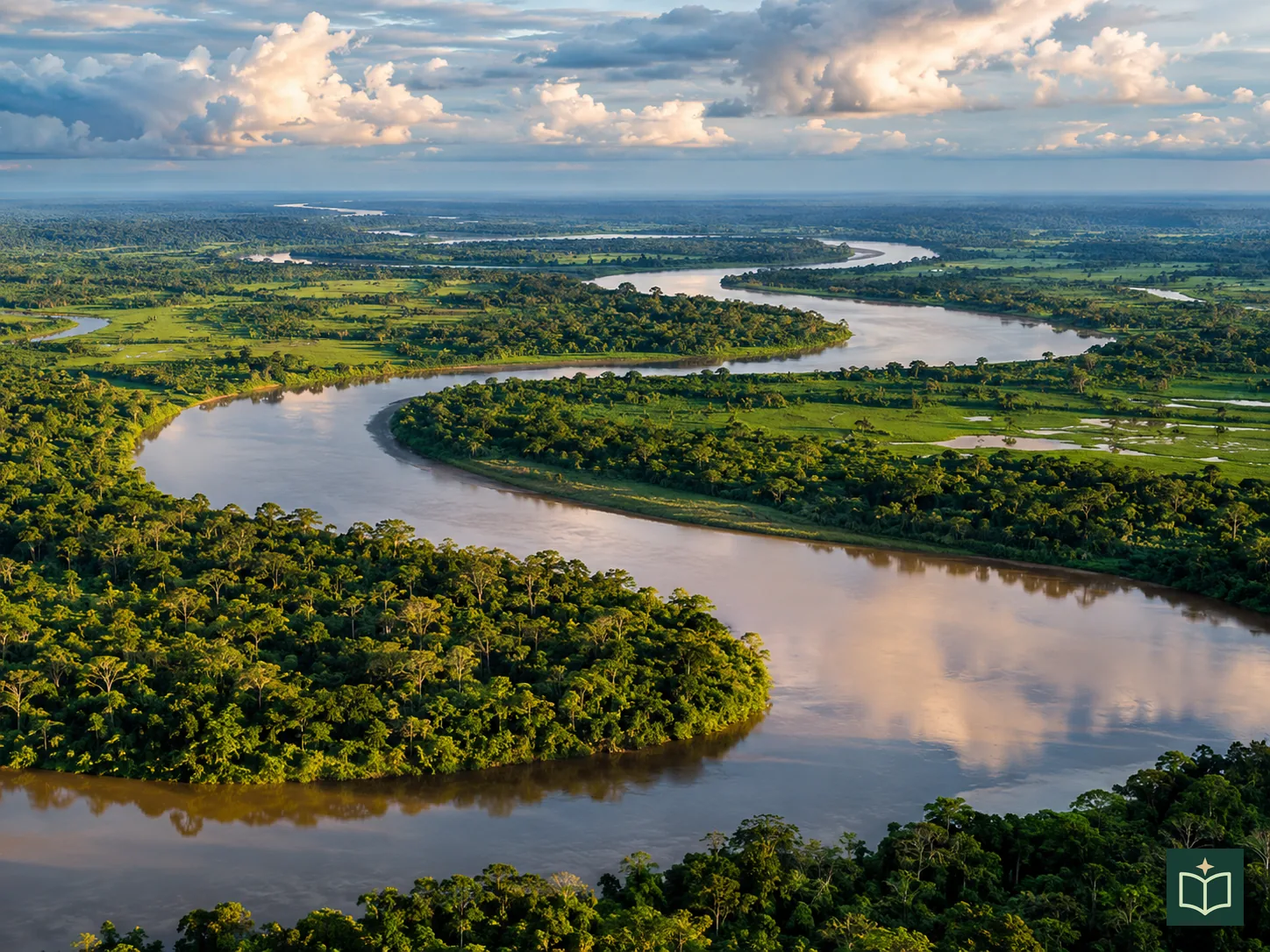
Encyclopaedias traditionally list the Nile first at about 6,650 kilometres. In 2007, a Brazilian-led expedition argued the Amazon’s source lies farther south in the Peruvian Andes and that its length exceeds 6,900 kilometres. Other studies dispute both figures. The Amazon is unquestionably the largest river by volume, carrying far more water than any other.
Why measurements differ
Rivers rarely have a single obvious source; many streams feed into them. Seasonal channels shift, and wide estuaries such as the Amazon’s make it unclear where the river ends and the sea begins. Higher-resolution satellite data has changed estimates over time, which is why reference books do not always agree.
Asia’s great rivers
The Yangtze is the longest river entirely within one country, flowing about 6,300 kilometres across China and home to the Three Gorges Dam. The Yellow River, cradle of early Chinese civilisation, carries so much silt that it gives the river its colour and name. Siberia’s Yenisei and Ob flow north into the Arctic Ocean.
Rivers as connectors
Long rivers often cross many countries: the Nile basin includes eleven, and the Congo’s nine. They support agriculture, fisheries, transport and cities, and their management can lead to cooperation or tension. River systems are measured combined—such as Mississippi–Missouri—when the tributary is longer than the main stem above their meeting point.
Sources & further reading
Figures are rounded and widely published; check the linked organisations for the latest editions. These organisations do not endorse this website.