Measuring a lifespan
Rankings of empires usually focus on how much land they ruled. This list asks a different question: how long did they last? The answer depends on definitions. Historians debate when an empire began, whether a change of dynasty ended it, and whether a weakened state still counted as an empire. The table uses widely quoted dates and counts only continuous rule. Ancient Egypt appears as separate kingdoms because it was divided by periods of disunity. Some contenders are left out because their dates are too uncertain, such as the Kanem-Bornu Empire around Lake Chad, which may have lasted about a thousand years from the ninth century.
Rome’s two long lives
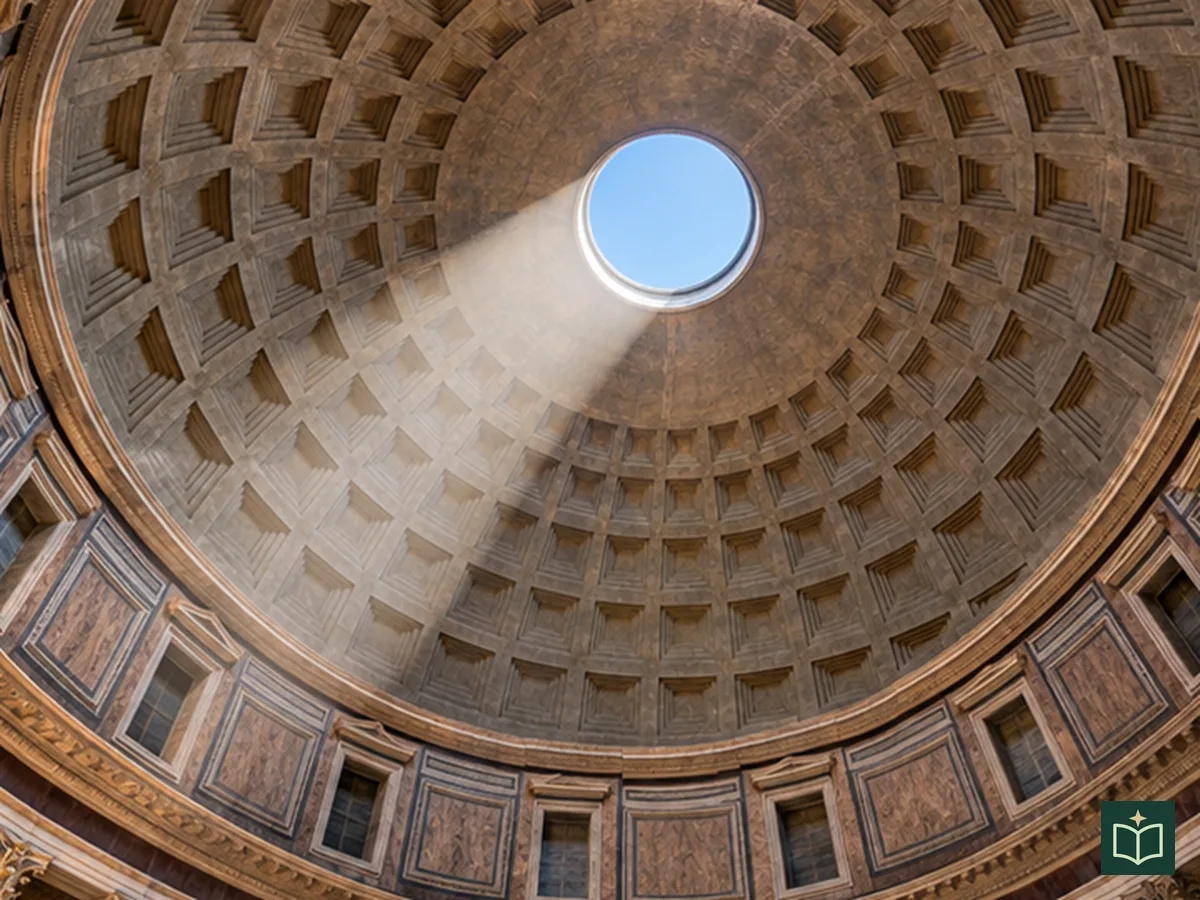
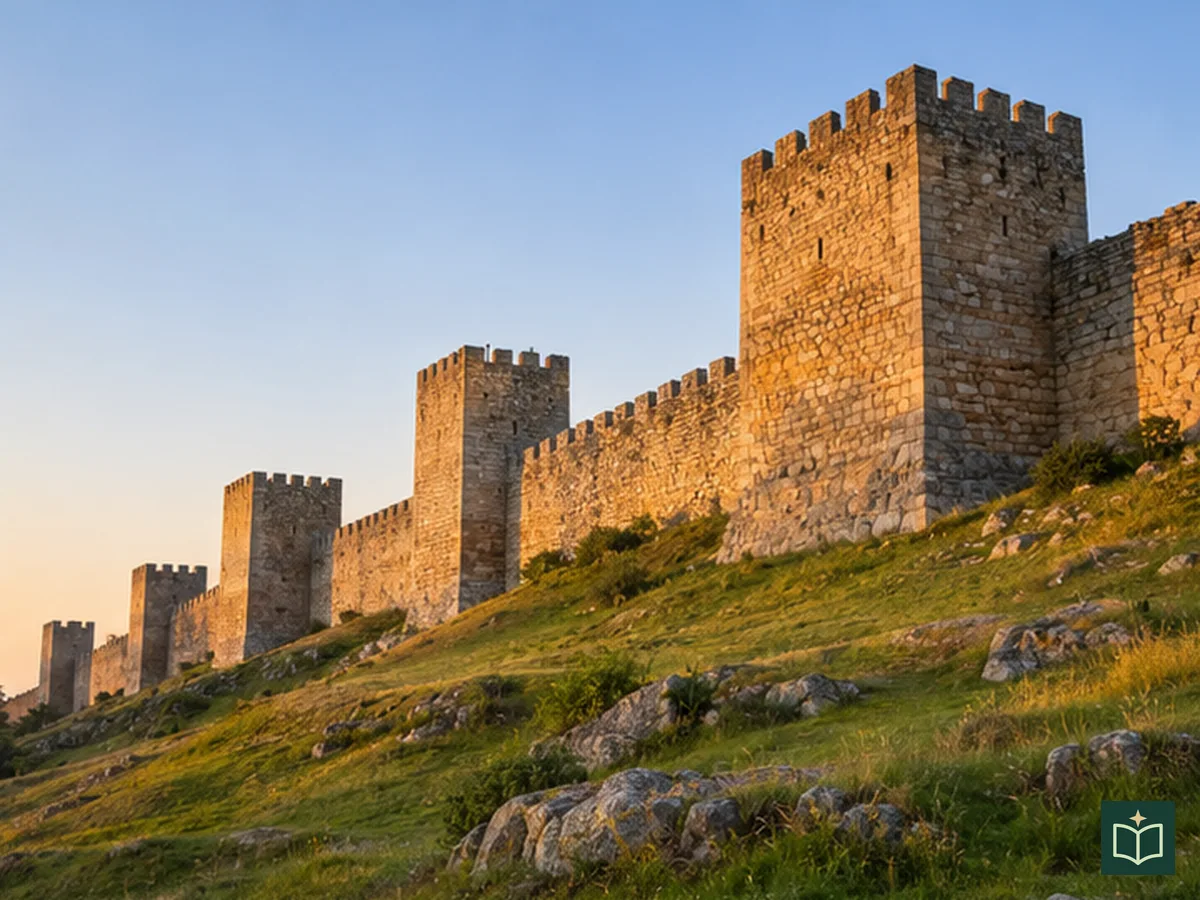
The Roman Empire is usually dated from 27 BC, when Augustus took power. In the west it lasted until 476, when the last emperor was deposed. In the east it continued, centred on Constantinople, the city Constantine founded in 330 on the site of Byzantium. Its people called themselves Romans; the name Byzantine was applied by later historians. The eastern empire survived Persian, Arab and other invasions and the sack of its capital by crusaders in 1204, before falling to the Ottomans in 1453. Its laws, codified under Justinian, shaped legal systems across Europe. Counted from Augustus to 1453 without a break, Roman rule lasted nearly 1,500 years.
An empire in name
The Holy Roman Empire began when the pope crowned Charlemagne emperor in 800, although some historians date it from the coronation of Otto I in 962. It covered much of central Europe, but it was a loose union of hundreds of principalities, bishoprics and free cities rather than a centralised state. Its emperors were elected by a group of leading princes. The French writer Voltaire famously joked that it was neither holy, nor Roman, nor an empire. It survived for a thousand years largely because its institutions balanced many competing rulers. It was dissolved in 1806, when Emperor Francis II gave up the title under pressure from Napoleon.
Africa and Asia
The Ethiopian Empire was ruled by the Solomonic dynasty from 1270, when it claimed descent from King Solomon and the Queen of Sheba, until Emperor Haile Selassie was deposed in 1974. The Khmer Empire, centred on Angkor in today’s Cambodia, flourished from 802 and built Angkor Wat in the twelfth century, before the capital was largely abandoned in the fifteenth. The Ottoman Empire grew from a small state founded around 1299 to rule much of the Middle East, North Africa and south-eastern Europe. The sultanate was abolished in 1922, and the Republic of Turkey was proclaimed the following year. Its capital, Istanbul, had been Constantinople.
Caliphs and Persian kings
The Abbasid Caliphate took power in 750, built Baghdad as its capital in 762 and presided over a golden age of science, translation and trade that linked the Gulf to China and the Mediterranean. Its political power faded long before 1258, when Mongol armies sacked Baghdad, and a line of Abbasid caliphs continued in Cairo until 1517. Before it, the Sasanian Empire of Persia ruled from 224 until the Arab conquest in 651, competing with Rome and later Byzantium for four centuries. Its lands included much of the Gulf’s northern shore, and its administrative traditions influenced the Islamic states that followed.
Egypt’s great kingdoms
Ancient Egypt is often treated as a single civilisation lasting three thousand years, but its history divides into kingdoms separated by periods of disunity. The Old Kingdom, from about 2686 to 2181 BC, was the age of the great pyramids at Giza. The New Kingdom, from about 1550 to 1070 BC, ruled an empire stretching into Nubia and the Levant and is known for rulers such as Hatshepsut, Akhenaten and Ramesses II. Egyptian dates this old carry uncertainties of decades, so the two kingdoms sit close to Rome in the table. Size and longevity rarely go together: the Mongol Empire was the largest land empire, yet it split apart within a century.
Sources & further reading
Figures are rounded and widely published; check the linked organisations for the latest editions. These organisations do not endorse this website.