Why batteries want lithium
Lithium is the lightest metal and has a strong tendency to give up an electron, which makes it ideal for storing electrical energy in a small, light package. In a lithium-ion battery, lithium ions shuttle between two electrodes through an electrolyte as the battery charges and discharges. This chemistry powers phones, laptops and electric vehicles, and increasingly grid-scale storage. Before batteries dominated demand, lithium was used mainly in ceramics, glass, lubricating greases and some medicines, and these uses continue today. Battery demand has transformed the industry, however, turning a relatively small speciality chemical market into one closely watched by governments, carmakers and investors around the world.
Brines under salt flats
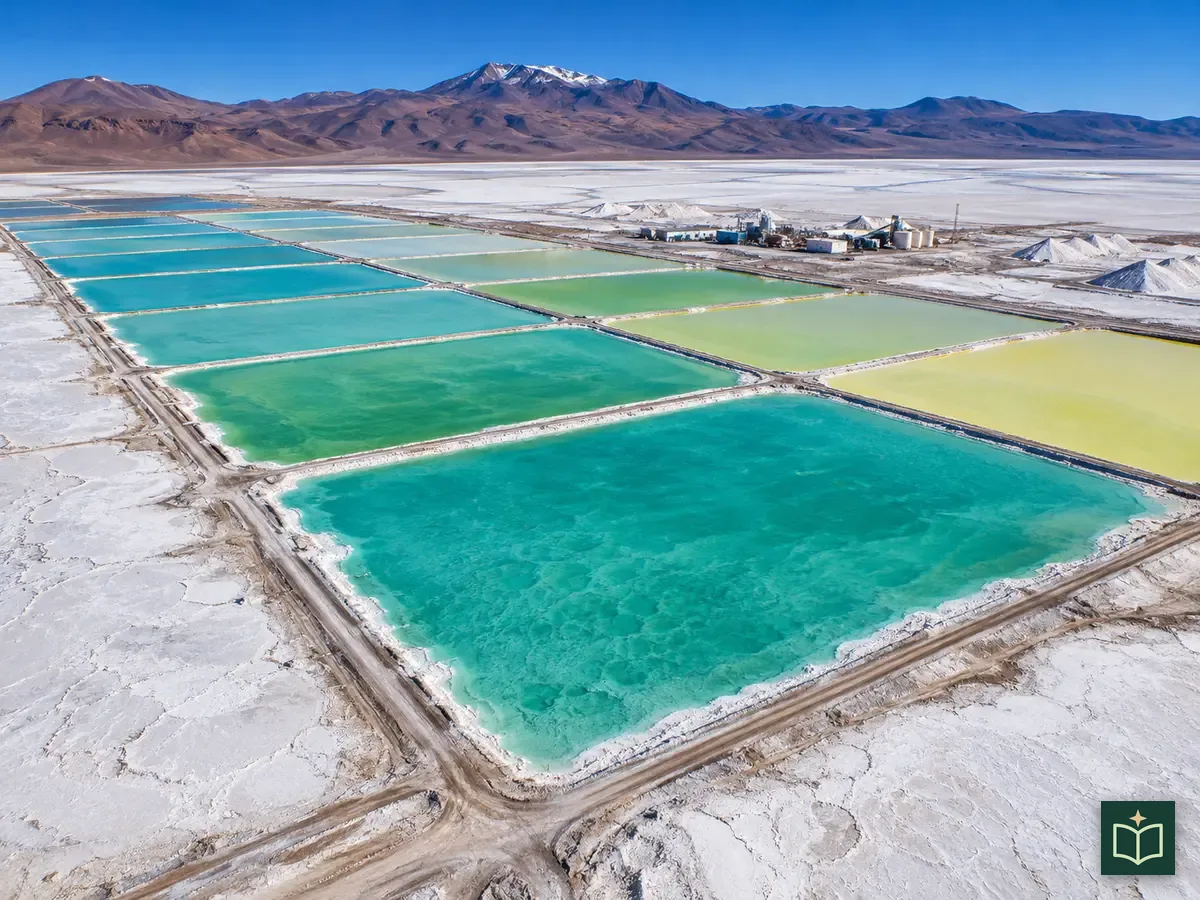
One major source is brine, very salty groundwater found beneath high-altitude salt flats, or salars. The best-known lie in the so-called lithium triangle where Chile, Argentina and Bolivia meet, including the Salar de Atacama, one of the driest places on Earth. Producers pump brine into a series of large, shallow ponds, where sunshine and wind evaporate water over many months. As the brine concentrates, other salts crystallise and are removed, until a lithium-rich solution remains. That is then processed into lithium carbonate. The method uses little energy for evaporation, but it is slow and depends on the climate, and its use of water in arid regions is a long-standing local concern.
Spodumene and hard rock
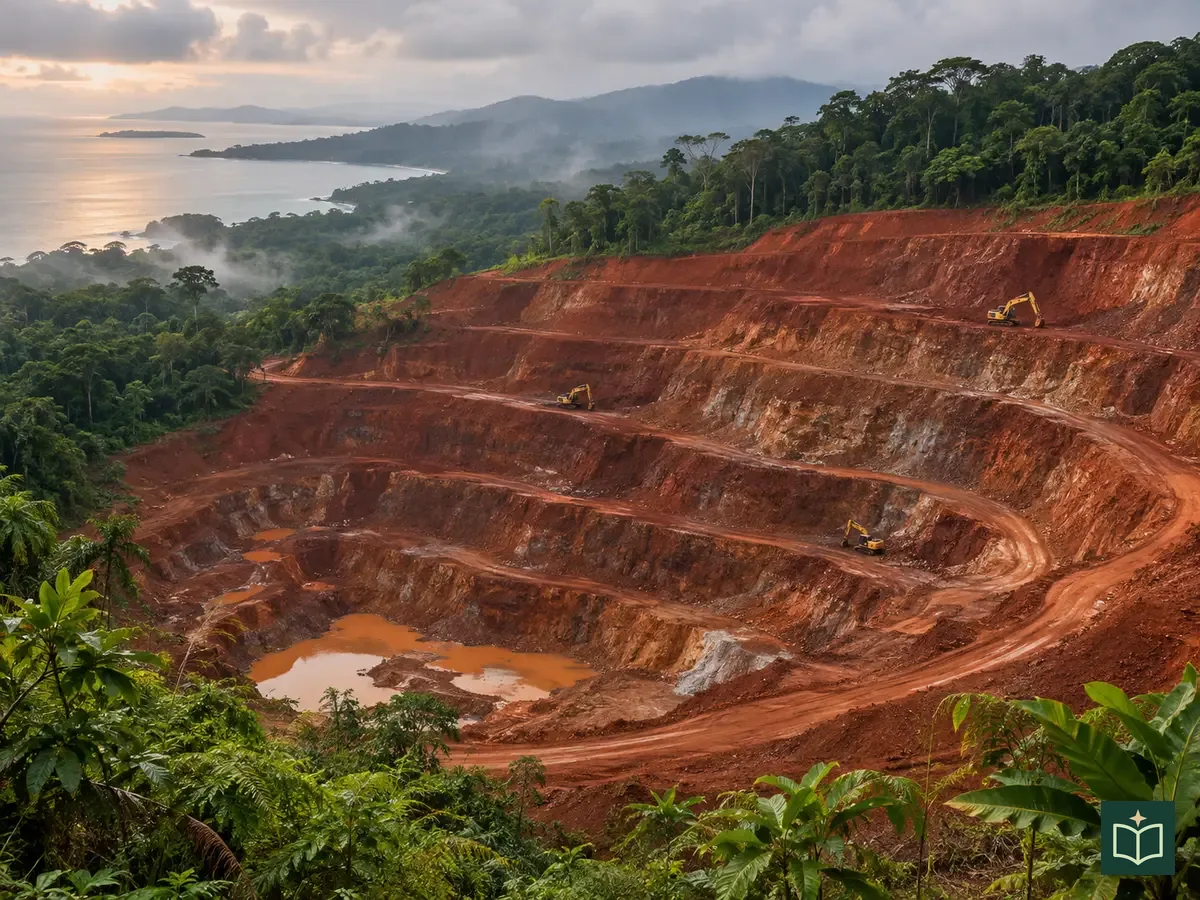
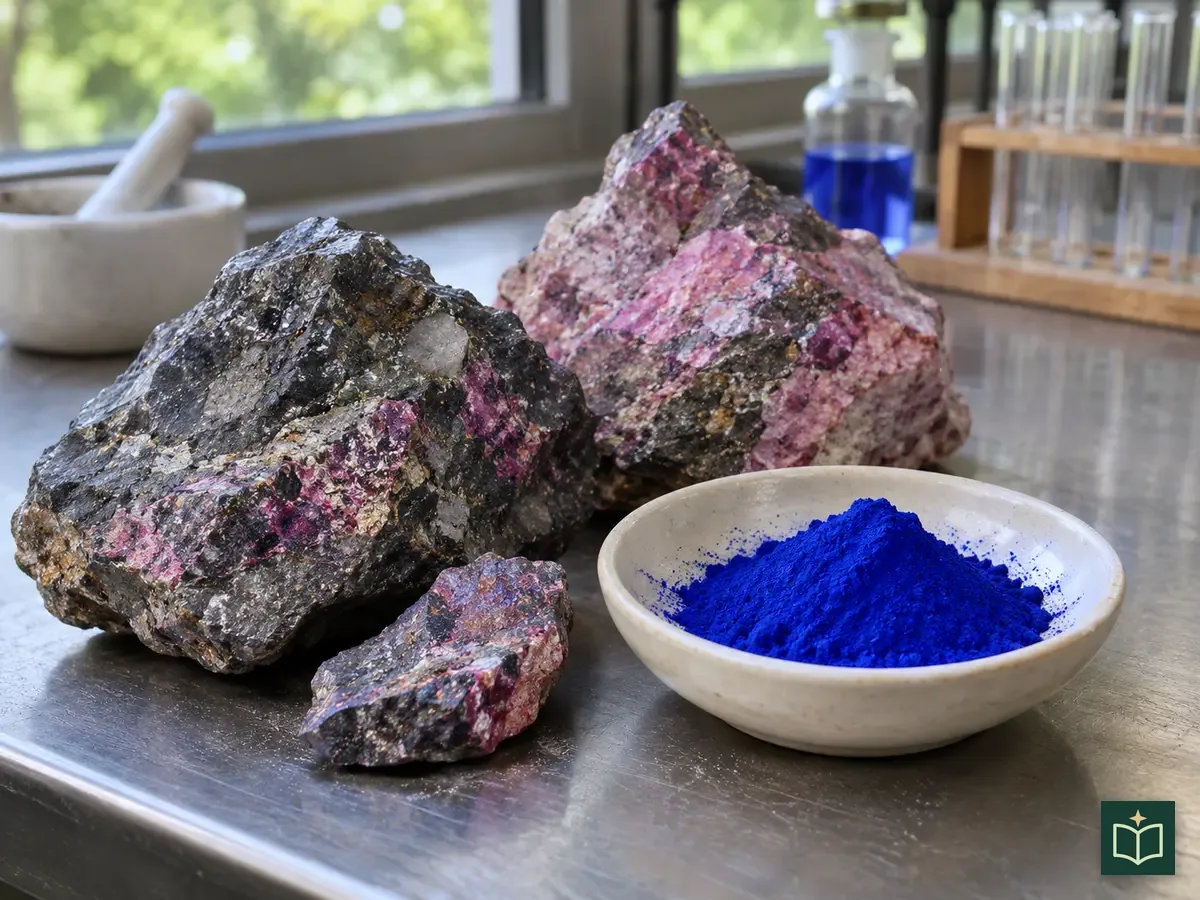
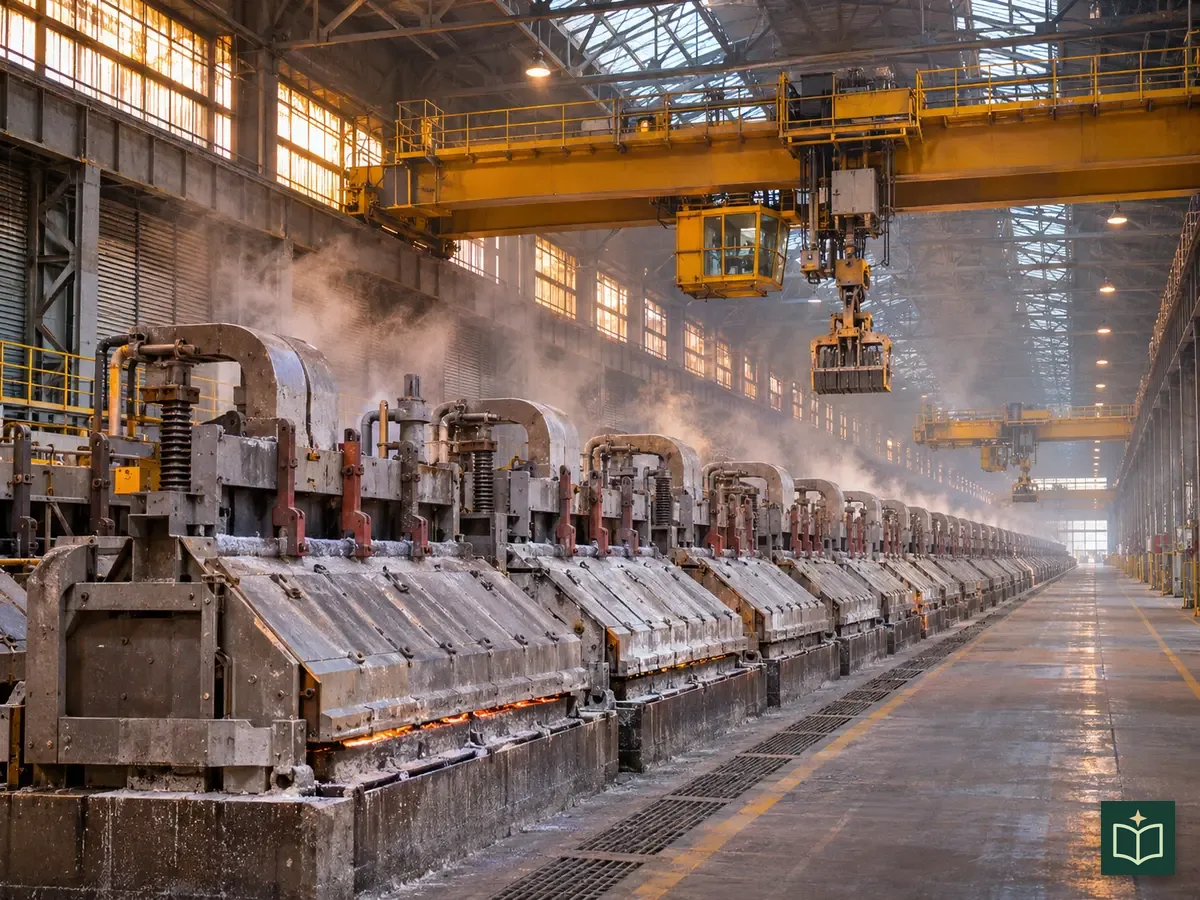
The other main source is rock. Lithium occurs in minerals such as spodumene, found in coarse-grained igneous rocks called pegmatites. Australia has become the world’s largest producer of mined lithium, largely from such deposits in Western Australia. Ore is crushed and concentrated into a spodumene concentrate containing a few per cent lithium oxide, much of which has traditionally been shipped to China for refining. There it is heated to change its crystal structure, then treated with acid and other chemicals to make lithium hydroxide or carbonate. Hard-rock production can respond faster than brine projects, but it uses more energy and chemicals per tonne of final product.
Carbonate, hydroxide and new methods
Battery makers buy lithium as chemicals rather than metal. Lithium carbonate has been widely used in cathodes such as lithium iron phosphate, while lithium hydroxide suits many high-nickel cathode chemistries. Industry statistics are often expressed in lithium carbonate equivalent, a common unit that allows different products to be compared. Newer approaches aim to diversify supply. Direct lithium extraction uses specialised materials to pull lithium selectively from brine in hours rather than months, and could make use of oilfield and geothermal brines. Clay deposits are also under study. Several of these methods are still being proven at commercial scale, so their eventual contribution to supply remains uncertain.
How much is in a battery
A common misconception is that a lithium-ion battery is mostly lithium. In fact, lithium usually accounts for only a small fraction of a battery’s weight. A typical electric car battery contains several kilograms of lithium, while the cathode also uses metals such as nickel, manganese, cobalt or iron, the anode is mostly graphite, and the cell casings, current collectors and pack structures add aluminium, copper and steel. Lithium is also not geologically rare: the challenge lies in finding deposits that can be developed economically and responsibly, and in building refining capacity. Recycling, which can recover lithium from used batteries, is expected to grow as more electric vehicles reach the end of their lives.
What to watch
Lithium supply chains raise questions that go beyond geology. Refining has been concentrated in a small number of countries, prompting many governments to support domestic processing. In South America, debates continue over water use, revenue sharing and the rights of Indigenous communities near salt flats. Gulf states, with their chemical industries and investment funds, have shown growing interest in battery supply chains and in overseas mineral assets. Lithium prices have historically swung sharply as demand and new supply moved out of step. This story is educational, not investment guidance; its aim is to explain why one light, reactive metal has become central to discussions about energy, industry and resource security.
Sources & further reading
Figures are rounded and widely published; check the linked organisations for the latest editions. These organisations do not endorse this website.