What LCOE means
The levelised cost of electricity, or LCOE, is the most common way to compare the cost of different power sources. It answers a simple question: what constant price per megawatt-hour would a plant need over its lifetime to cover all its costs, including a return on capital? The calculation adds up the cost of building the plant, the interest and equity returns paid on the money borrowed, fuel, operations and maintenance, and eventually decommissioning. It then divides that total by the electricity the plant is expected to produce. Because money today is worth more than money later, both costs and output are discounted to present values.
Capital versus fuel
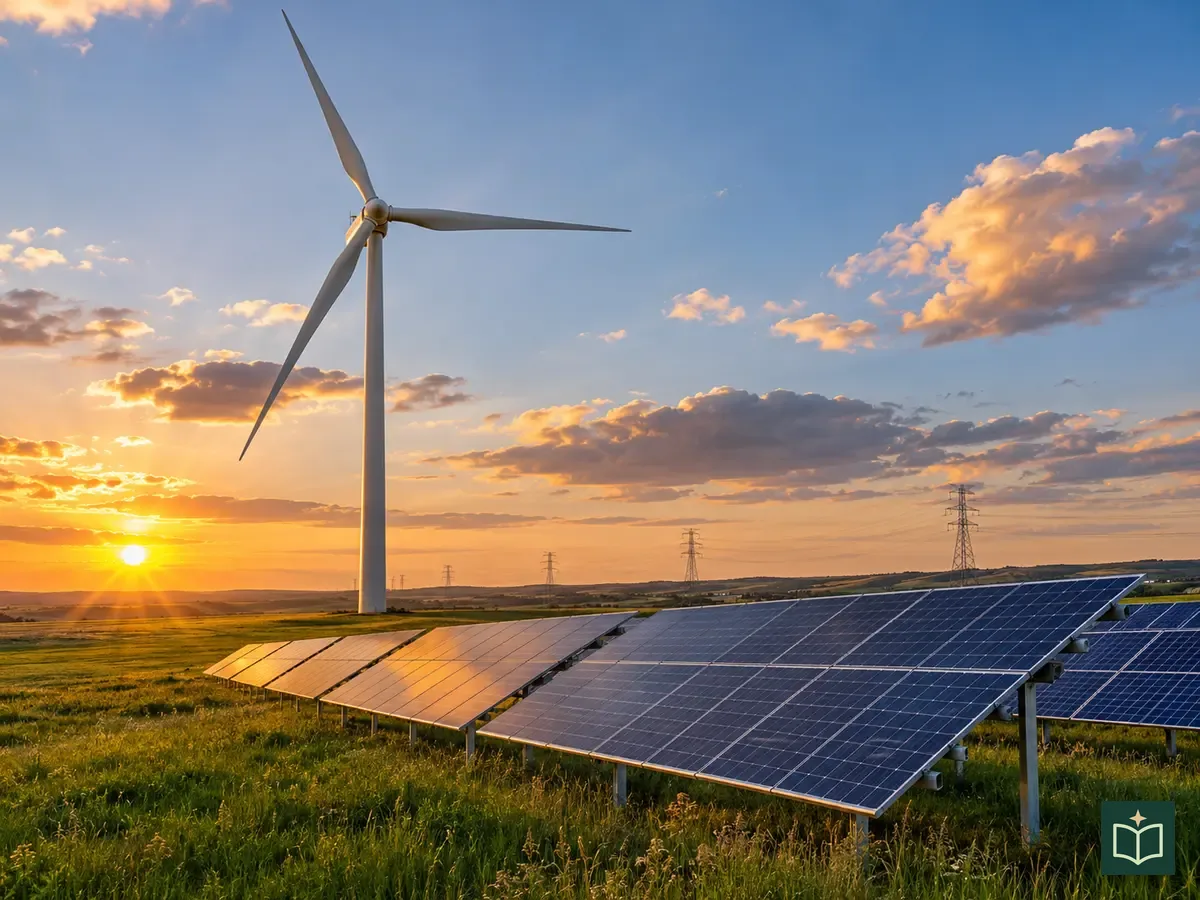
Different technologies have very different cost structures. Solar and wind farms are almost entirely capital costs: once built, the sunshine and wind are free. Gas-fired plants are cheaper to build but must buy fuel for their whole lives, so their costs depend heavily on gas prices. Nuclear plants are very expensive to build but cheap to run. This means LCOE is highly sensitive to the cost of capital. A one or two percentage point change in interest rates can change the cost of a solar or nuclear project significantly, while affecting a gas plant much less. That is why financing conditions matter so much for the energy transition.
Record lows in the Gulf
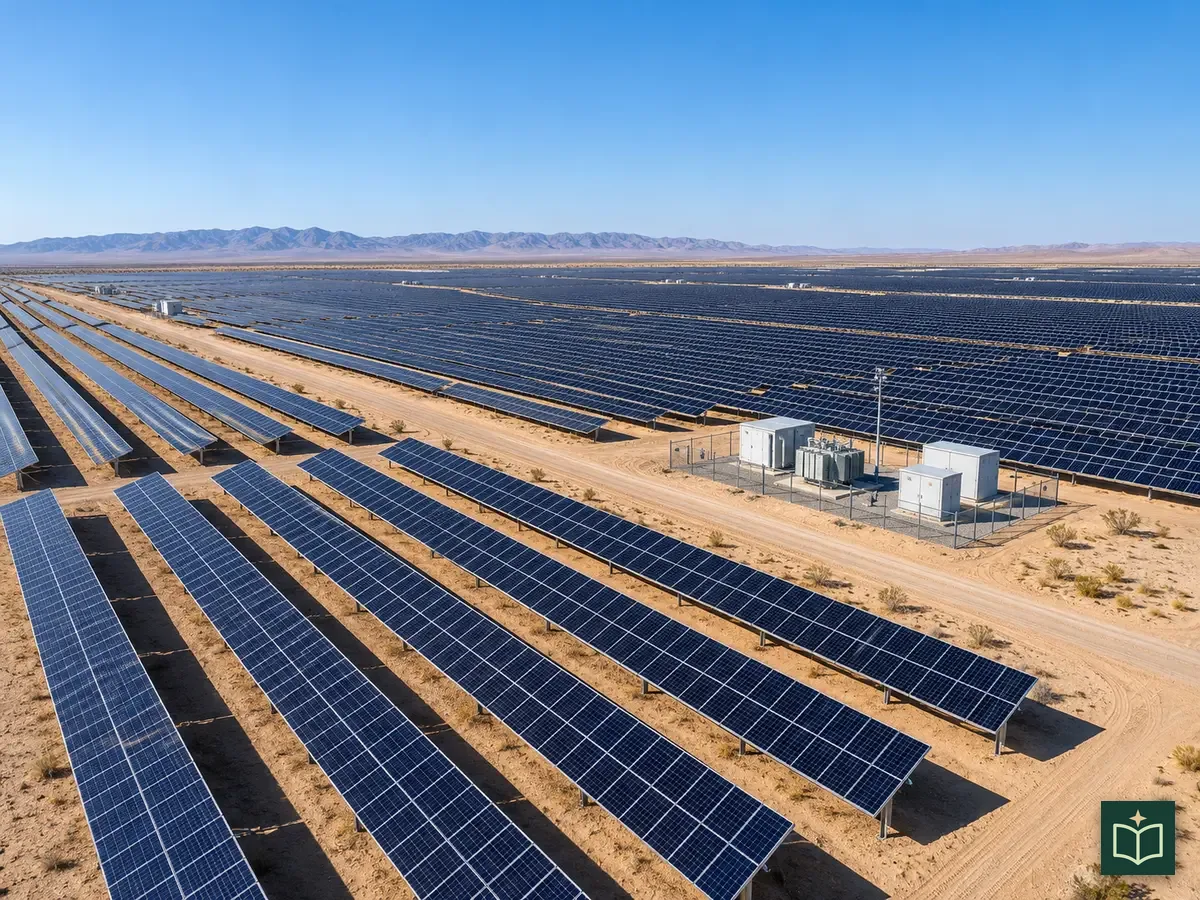
The Gulf has repeatedly set world records for low solar tariffs. In 2020, the Al Dhafra project in Abu Dhabi, a 2-gigawatt solar plant, attracted a winning bid of about 1.35 US cents per kilowatt-hour, roughly 5 fils. Dubai’s Mohammed bin Rashid Al Maktoum Solar Park and projects in Saudi Arabia have also achieved very low prices. These results reflect strong sunshine, flat land, falling panel costs, large project sizes and low-risk, long-term contracts with creditworthy state buyers, which allow cheap financing. They are tariffs offered in tenders, not identical to LCOE, but they show how far solar costs have fallen.
What LCOE leaves out
LCOE measures the cost of producing electricity at a plant, not of delivering reliable electricity to customers when they need it. Solar panels produce nothing at night and less on dusty or cloudy days, so a system relying heavily on solar needs storage, backup generators or interconnections, all of which cost money. These are often called system or integration costs. LCOE also omits the cost of grid connections, which can be significant for remote sites, and the value of when power is produced. Electricity at 9 pm in a Gulf summer, when cooling demand is still high, is worth more than electricity at noon in winter.
Better comparisons
Analysts have developed measures to address these gaps. The IEA uses a ‘value-adjusted LCOE’ that accounts for the timing and flexibility of output. Others calculate the cost of solar plus battery storage as a combined product able to supply power into the evening, which Gulf tenders increasingly require. System-level modelling compares the total cost of different generation mixes rather than individual plants. Battery prices have fallen quickly, making such combined offers more competitive. These approaches generally confirm that solar and wind are now among the cheapest sources of new electricity in many places, but also that integration costs rise as their share grows, making flexibility, storage and grids more important.
Reading the numbers
When a headline announces that a technology is the ‘cheapest ever’, a few questions help. Is the figure an LCOE estimate or an actual contract price? What discount rate and lifetime were assumed? Does it include storage, grid connection or subsidies? Is it a global average or a single exceptional project? Tariffs set in a low-interest-rate period may not be repeatable when borrowing costs rise. LCOE remains a valuable starting point because it puts very different technologies on a common basis, but it is best treated as one input into decisions about power systems, not the final answer. This explainer is educational, not investment advice.
Sources & further reading
- IEA · Projected Costs of Generating Electricity ↗
- IRENA · Renewable power generation costs ↗
- US Energy Information Administration · Electricity explained ↗
Figures are rounded and widely published; check the linked organisations for the latest editions. These organisations do not endorse this website.