A hidden energy problem
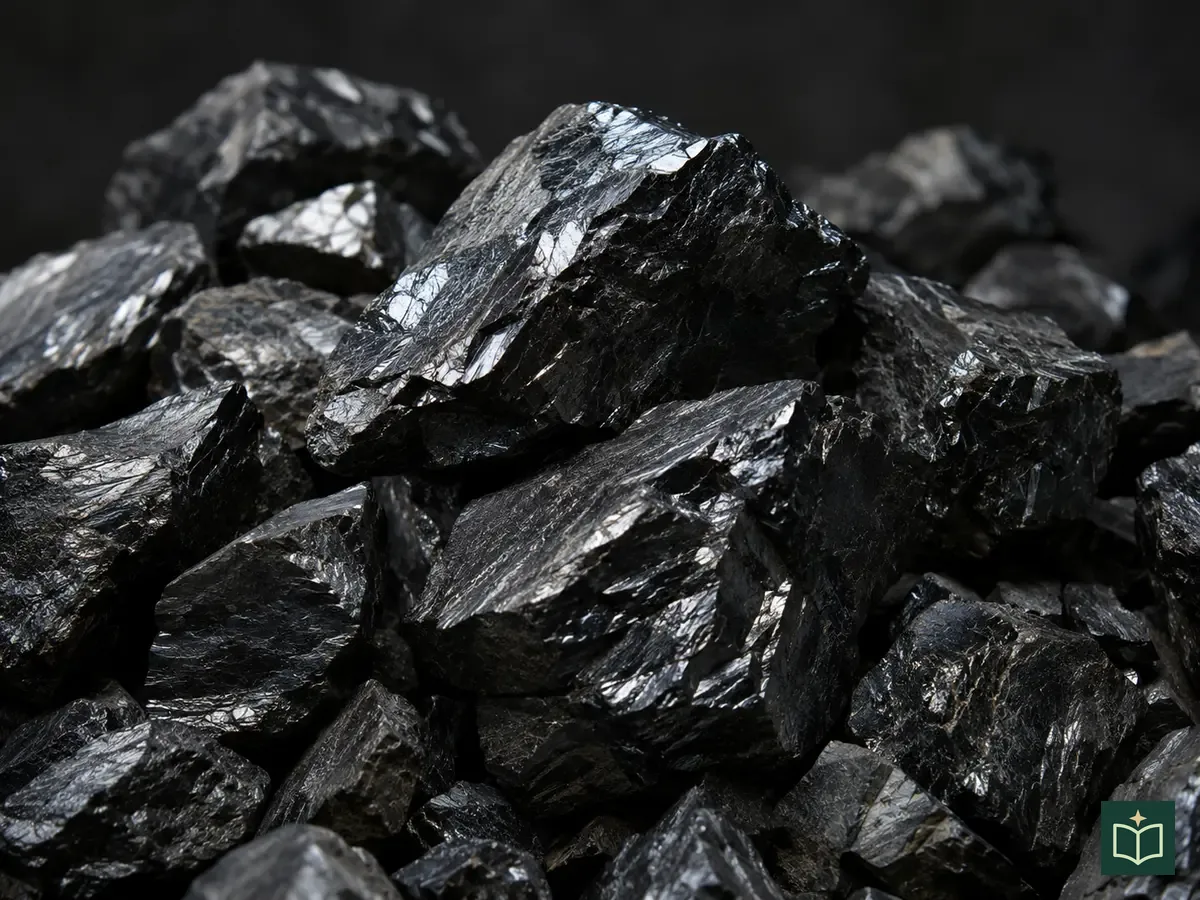
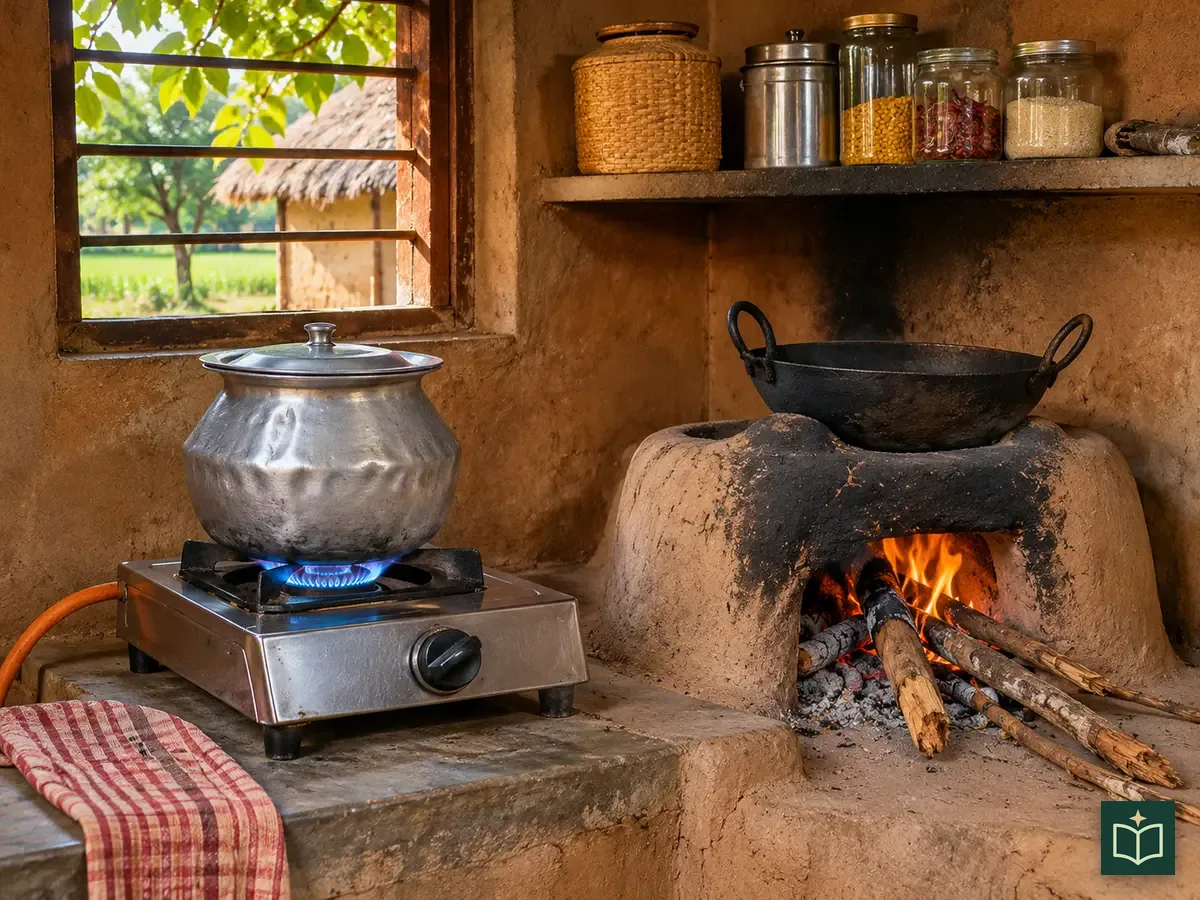
Discussions about energy often focus on electricity and cars, but for more than two billion people, the most important daily energy use is cooking. According to the SDG7 tracking reports, around a quarter of the world’s population still relies mainly on polluting fuels and technologies, such as wood, charcoal, crop residues, animal dung, coal or kerosene, burned in open fires or simple stoves. Most live in sub-Saharan Africa and Asia, especially in rural areas. Progress has been slower than for electricity access, and in sub-Saharan Africa the number of people without clean cooking has been rising as population growth outpaces new access.
How smoke harms health
Incomplete combustion of solid fuels produces fine particulate matter, carbon monoxide and other pollutants. In poorly ventilated kitchens, concentrations of fine particles can be many times higher than the WHO’s guideline levels. Exposure contributes to pneumonia in children, stroke, heart disease, chronic obstructive pulmonary disease and lung cancer. The WHO estimated that household air pollution from cooking caused about 3.2 million deaths in 2020, including more than 200,000 among children under five. Women and young children, who spend most time near the stove, face the greatest exposure. Burns and kerosene poisoning add further harm. Anyone with health concerns should seek professional medical advice.
Time, money and forests
The burden is not only health. Collecting firewood can take several hours a day, often walking long distances, time that could otherwise go to school, paid work or rest. In cities, households spend a significant share of income on charcoal. Charcoal production can contribute to forest degradation in some regions, although its role in deforestation varies by place. Black carbon from smoke contributes to climate warming, and unsustainable harvesting releases carbon dioxide that is not reabsorbed. Clean cooking therefore touches several development goals at once: health, gender equality, education, forests and climate, which is why it has gained attention from development agencies.
The main solutions
Liquefied petroleum gas, or LPG, has been the most widespread clean cooking fuel in developing countries. India’s Pradhan Mantri Ujjwala Yojana programme, launched in 2016, provided tens of millions of LPG connections to low-income households, though keeping cylinders refilled has been a challenge for some. Electric cooking, especially with efficient induction hobs and electric pressure cookers, is growing where power is reliable. Biogas from household digesters, ethanol stoves and natural gas networks in cities are other options. Improved biomass stoves burn wood more efficiently and reduce smoke, but most still do not reach WHO air quality guidelines, so they are seen as transitional.
Why switching is hard
Even when clean stoves are available, many households use several fuels at once, a practice called ‘stacking’. A family might use LPG for tea but wood for slow-cooked staples. Reasons include fuel price, unreliable supply, cultural preferences in taste and cooking methods, and the upfront cost of stoves and cylinders. Programmes that distributed stoves without addressing these factors have often seen households return to traditional fuels. Successful efforts combine affordable fuel, reliable distribution, stoves suited to local dishes and, increasingly, financing models such as pay-as-you-go. Measuring actual use, not just distribution, is now standard practice in evaluations, often with sensors that record when stoves are lit.
What to watch
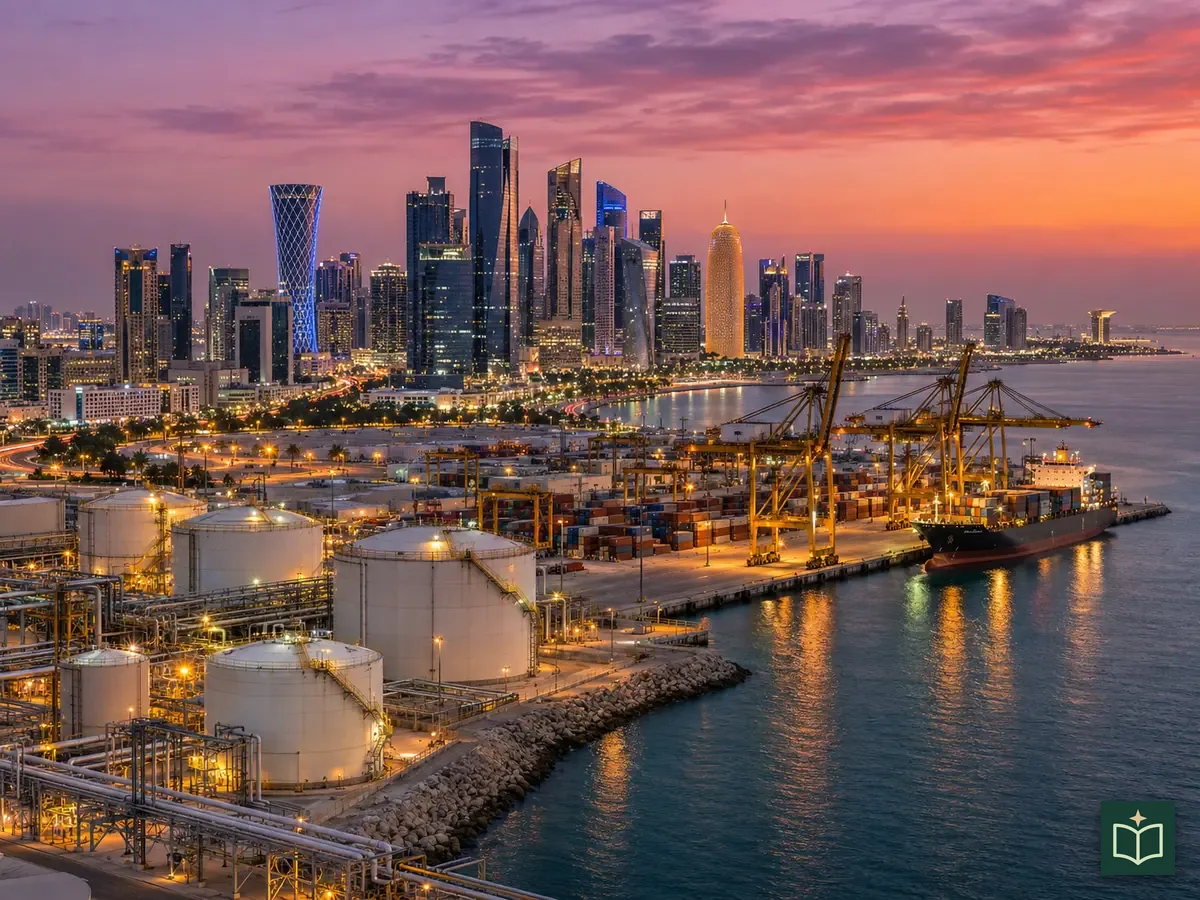
International agencies have called for faster progress toward universal clean cooking, and the IEA has estimated that the investment needed is modest compared with overall energy spending. Key indicators include the share of households cooking primarily with clean fuels, sustained use rather than one-off stove distribution, and the reliability of LPG and electricity supply. Gulf countries are among the world’s large LPG exporters, connecting the region to clean cooking efforts across Asia and Africa. For the world’s poorest households, the energy transition may be measured less by solar panels or electric cars than by a kitchen free of smoke, and by the hours no longer spent gathering fuel.
Sources & further reading
Figures are rounded and widely published; check the linked organisations for the latest editions. These organisations do not endorse this website.