What energy poverty means
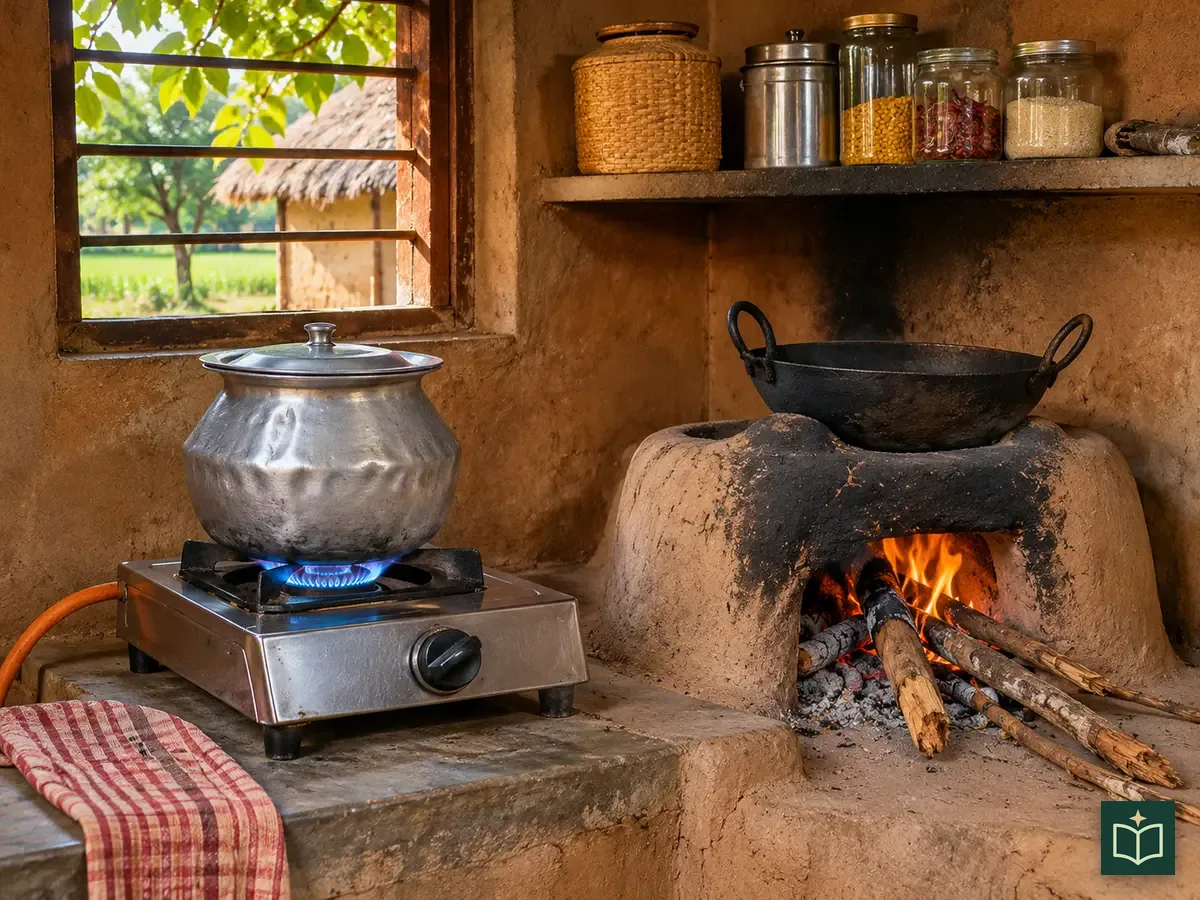
Energy poverty describes a lack of access to modern energy services that people need for a decent life: electric lighting, refrigeration, phone charging, cooling or heating, and clean cooking. In low-income countries, the central problem is physical access: homes, schools and clinics are not connected to any electricity supply. In wealthier countries, the issue is usually affordability, when households cannot pay enough to keep their homes adequately warm or cool. The United Nations’ Sustainable Development Goal 7 commits countries to ensure ‘access to affordable, reliable, sustainable and modern energy for all’ by 2030. Progress is tracked jointly by the IEA, IRENA, the UN, the World Bank and the WHO.
The numbers
According to the SDG7 tracking reports, the number of people without electricity fell from more than a billion in the early 2010s to roughly 700 million by the early 2020s. Progress came especially from India, Bangladesh, Indonesia and parts of East Africa. The remaining gap is concentrated in sub-Saharan Africa, which accounts for around four-fifths of the people without power. In several countries there, fewer than half of households are connected. Population growth means connections must expand quickly just to keep the numbers stable. Many people counted as having access receive only a few hours of unreliable supply a day, so headline access rates can overstate real service.
How access spreads
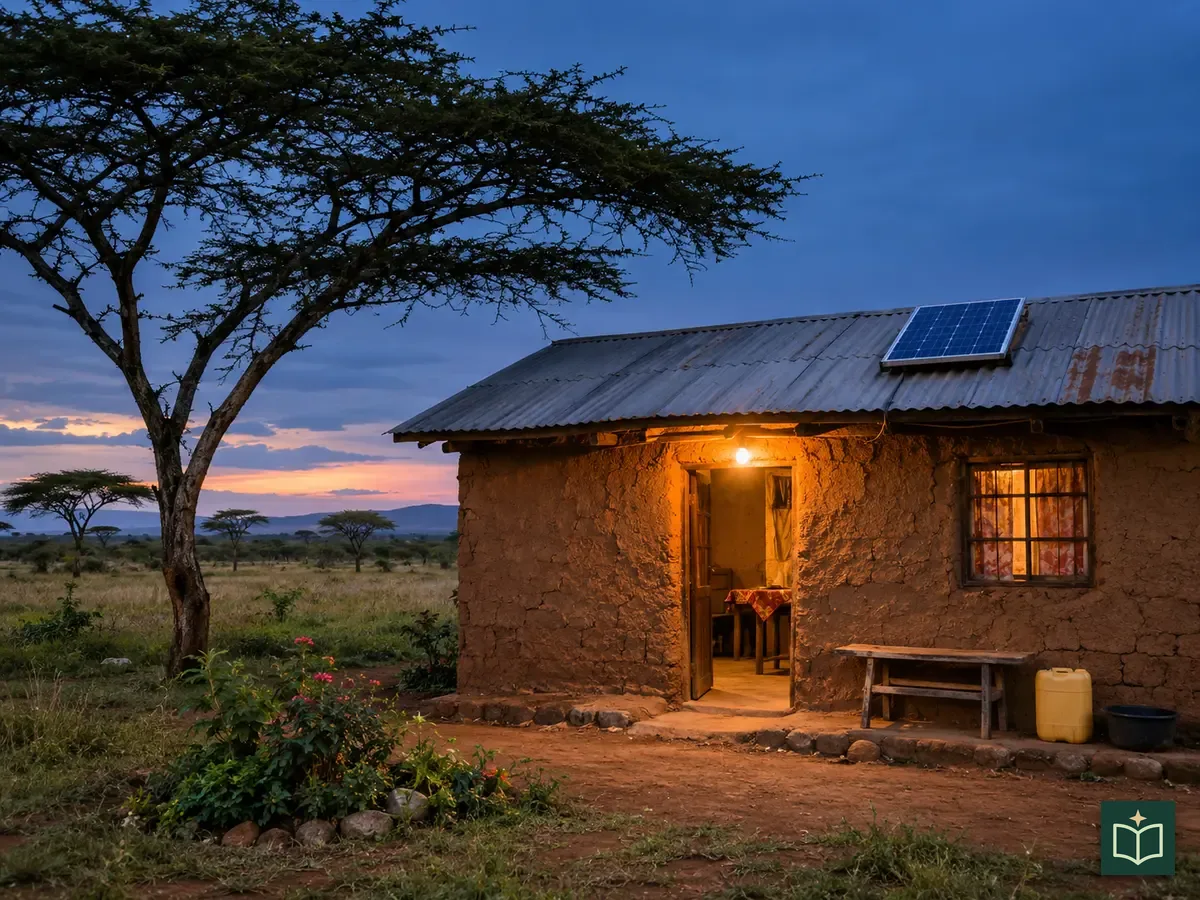
There are three main routes. Extending the national grid is usually cheapest for densely populated areas near existing lines. Mini-grids, small local networks powered by solar panels with batteries and sometimes diesel backup, can serve villages too far from the grid. Solar home systems, from a single lamp and phone charger to kits that power a fan and television, can reach the most remote households quickly. Pay-as-you-go models, in which customers pay small amounts through mobile money, have made these systems affordable for millions in East Africa. Falling solar and battery costs have made off-grid solutions far more competitive than a decade ago.
Why it matters
Electricity is closely linked to development. Lighting extends study time for children, refrigeration preserves vaccines and food, and electric pumps and mills raise farm productivity. Clinics without power struggle to deliver babies safely at night or store medicines. Small businesses, such as tailors, welders and phone repair shops, depend on reliable supply. Yet a connection alone is not enough: people need appliances, affordable tariffs and enough reliability to run businesses. Researchers have found that the economic benefits of new connections vary and depend on whether households and firms can afford to use electricity productively, which is why access programmes increasingly pair connections with finance.
Energy poverty in rich countries
In Europe, millions of households report being unable to keep their homes adequately warm, a figure tracked by the EU’s statistics office, Eurostat, and it rose during the price spike of 2022. Poorly insulated housing, low incomes and high prices combine to cause the problem. In hot regions, cooling poverty is an emerging concern: as heatwaves become more frequent, people who cannot afford air conditioning, or the electricity to run it, face health risks. Gulf states largely avoid this through extensive cooling and subsidised tariffs for many residents, but globally the IEA has warned that cooling access will be a growing equity issue.
What to watch
The 2030 target of universal electricity access is widely expected to be missed on current trends, according to the SDG7 tracking reports. Key questions are whether financing for African energy, both public and private, rises enough, and whether utilities can become financially sustainable so that they can invest in grids. International initiatives, including World Bank and African Development Bank programmes aiming to connect hundreds of millions of people, will be important to follow. Gulf development funds and companies have also financed power projects in Africa and Asia. Measurements are improving, too, moving from simple ‘connected or not’ counts to tiers that reflect hours of supply, reliability and affordability.
Sources & further reading
- SDG7 Tracking: The Energy Progress Report ↗
- UN · Goal 7: Affordable and clean energy ↗
- World Bank · Energy ↗
Figures are rounded and widely published; check the linked organisations for the latest editions. These organisations do not endorse this website.