An empire under strain
By 1800 Spain ruled a vast American empire, from California and Mexico to Chile and Argentina, divided into viceroyalties. Society was layered. Top posts usually went to peninsulares, officials born in Spain, which frustrated criollos, people of Spanish descent born in the Americas who owned much of the land and trade. Below them were Indigenous peoples, people of mixed descent and enslaved Africans. Spanish trade rules limited commerce with other countries, and taxes had risen. Ideas from the Enlightenment and the examples of the American Revolution of 1776 and the Haitian Revolution, which won independence in 1804, were widely discussed, though many elites feared upheaval from below.
Napoleon lights the fuse
The trigger came from Europe. In 1808 Napoleon invaded Spain, forced King Ferdinand VII to abdicate and placed his own brother on the throne. Many colonists refused to accept a French king imposed from Madrid. From 1810, local councils known as juntas took power in Caracas, Buenos Aires, Bogotá, Santiago and elsewhere, at first claiming to govern on behalf of the captive Ferdinand. In Mexico, a priest, Miguel Hidalgo, launched a rebellion in September 1810 with mass support from Indigenous and mixed-race peasants. When Ferdinand returned to power in 1814 and tried to restore full control, the conflicts became open wars for independence.
Bolívar in the north
Simón Bolívar, a wealthy criollo from Caracas, became the leading figure of the northern campaigns. Venezuela’s first republics collapsed in 1812 and 1814, and Bolívar spent time in exile in Jamaica and Haiti, whose government gave him support. In 1819 he led an army across the Andes in the rainy season and defeated royalist forces at Boyacá, freeing New Granada, today’s Colombia. Victory at Carabobo in 1821 secured Venezuela, and his general Antonio José de Sucre won Quito in 1822. Bolívar created Gran Colombia, a large republic covering today’s Colombia, Venezuela, Ecuador and Panama, which he hoped would form the core of a united Spanish America.
San Martín in the south
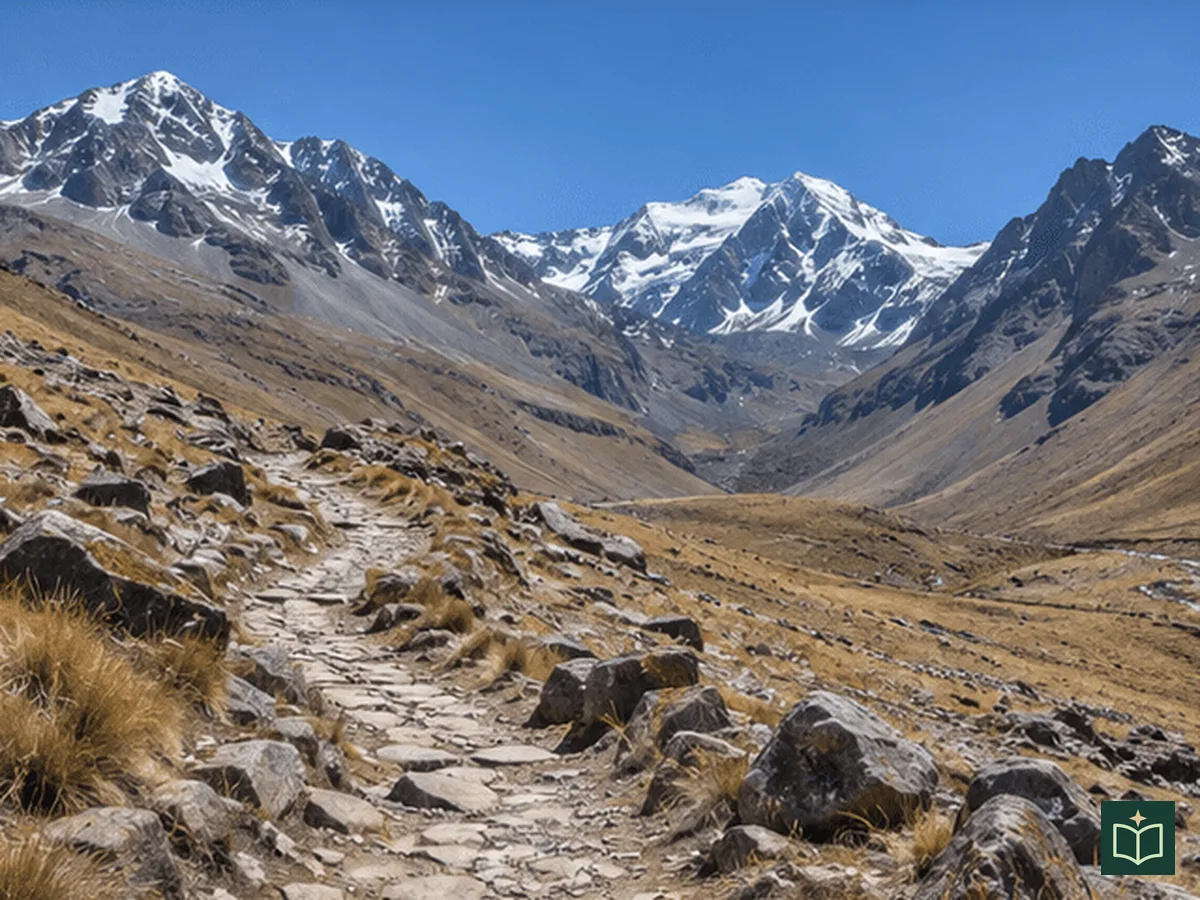
In the south, Buenos Aires had governed itself since 1810, and Argentina declared independence in 1816. José de San Martín, a career soldier, believed the war could be won only by striking at Peru, Spain’s stronghold. In 1817 he led the Army of the Andes over mountain passes more than 3,500 metres high into Chile, winning at Chacabuco and, in 1818, at Maipú, alongside the Chilean leader Bernardo O’Higgins. In 1821 he took Lima by sea and declared Peru independent. In 1822 he met Bolívar at Guayaquil; after their private talks, San Martín withdrew, leaving Bolívar and Sucre to finish the war, which ended at Ayacucho in 1824.
Brazil’s different route
Portuguese Brazil followed another path. When Napoleon invaded Portugal in 1807, the royal family, escorted by British warships, sailed to Brazil and made Rio de Janeiro the capital of the Portuguese empire. Brazil gained new trade freedoms and institutions. When King João VI returned to Lisbon in 1821, his son Pedro stayed as regent. Facing demands to return Brazil to colonial status, Pedro declared independence on 7 September 1822 and became Emperor Pedro I. Brazil therefore became independent as a monarchy, ruled by a member of the Portuguese royal family, with relatively little fighting. It kept its vast territory united and remained an empire until 1889.
What independence left behind
By 1826 the last Spanish garrisons on the South American mainland had surrendered. Bolívar’s dream of unity faded quickly: Gran Colombia split into Venezuela, Colombia and Ecuador by 1831, and the Central American federation broke apart soon after. Many new states faced civil wars, rule by military strongmen, border disputes and heavy war debts. Independence transferred power mainly to criollo elites, and for many Indigenous and Black people, daily life changed slowly, although slavery was gradually abolished in most of the new republics by the 1850s. Bolivia was named after Bolívar, and both he and San Martín are honoured as national founders across South America.
Sources & further reading
Figures are rounded and widely published; check the linked organisations for the latest editions. These organisations do not endorse this website.