Measuring a giant
Ships can be compared in several ways: length, width, gross tonnage, which measures enclosed volume, deadweight, which measures how much cargo and fuel they can carry, or displacement, the weight of water they push aside. This table uses overall length, the easiest measure to picture. On that basis the record belongs to Prelude, a floating liquefied natural gas facility about 488 metres long, built in South Korea and moored off the coast of Western Australia. It has no engines for sailing between ports. Instead it was towed to its site and anchored to the seabed, where it produces and stores gas from offshore fields for loading onto visiting tankers.
The age of the supertanker
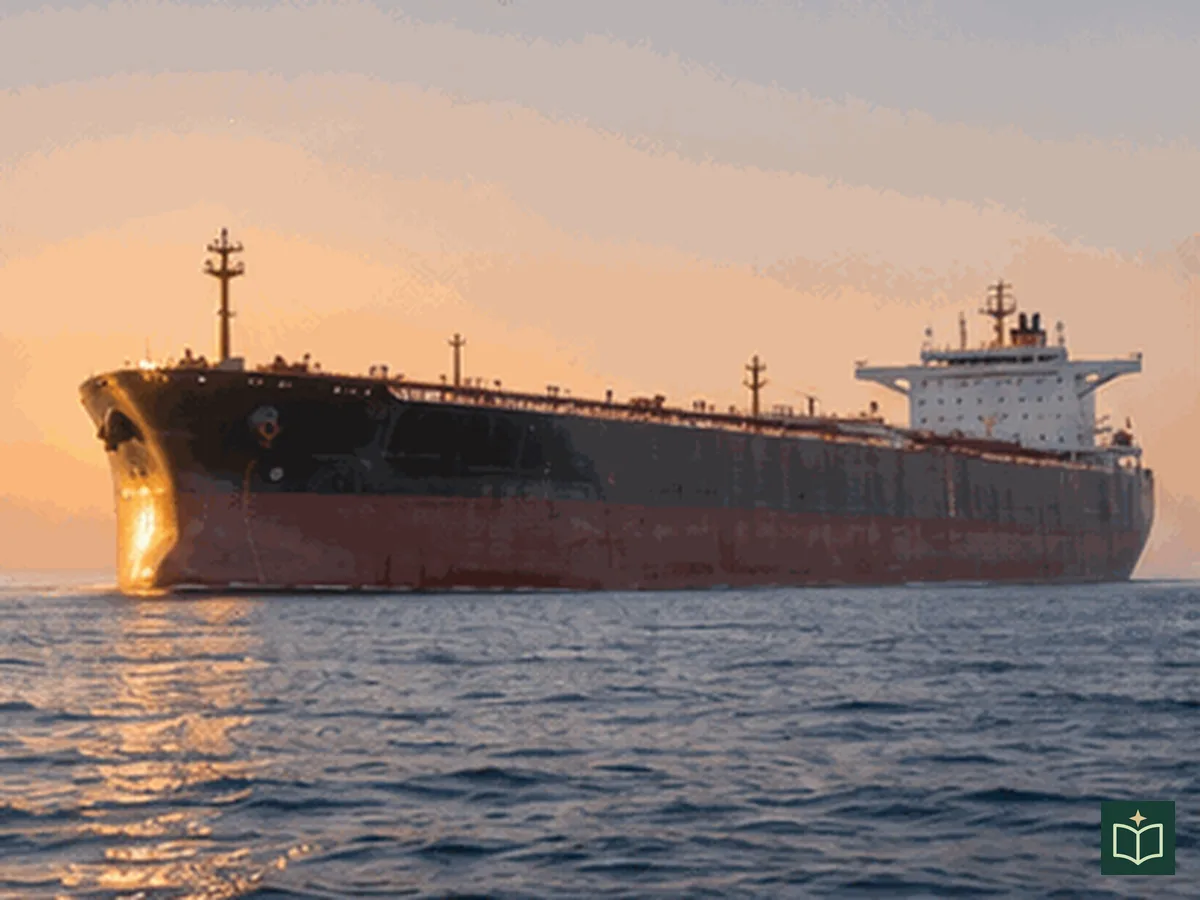
Most of the other giants were built in the 1970s, when oil companies wanted ever larger tankers to carry crude from the Gulf to Europe, Japan and North America around Africa. The largest of all was Seawise Giant, about 458 metres long and able to carry more than half a million tonnes of oil. In 1988, during the Iran–Iraq war, it was bombed and sunk in shallow water near Larak Island in the Strait of Hormuz. It was later raised, repaired and sailed again under new names before being scrapped in India in 2010. France’s four Batillus-class tankers, each about 414 metres long, were scrapped in the 1980s.
Why the biggest tankers vanished
The supertankers shrank because the economics changed. After the oil shocks of the 1970s, demand for long-haul crude fell, and the Suez Canal was reopened and later deepened. Ships that could not fit through the canal or into many ports became hard to employ. Their enormous size also made them inflexible: few terminals could load or unload them. Today’s largest tankers, known as ultra large crude carriers, are usually around 330 to 380 metres long. Two of the 380-metre TI-class tankers built in the early 2000s were converted into floating storage units and moored at the Al Shaheen oil field off Qatar.
Containers, cranes and cruises
Modern giants are spread across several trades. The largest container ships are about 400 metres long and carry more than 24,000 standard containers, though their length is limited by the size of the world’s busiest ports. Pioneering Spirit, about 382 metres long and 124 metres wide, is a twin-hulled vessel built to lift entire oil platforms in one piece. Valemax ore carriers, about 362 metres long, move iron ore from Brazil to Asia. Icon of the Seas, launched in 2023, is about 365 metres long and among the largest cruise ships by gross tonnage. Queen Mary 2, at about 345 metres, is the longest ocean liner built for regular crossings.
What limits size
Ships cannot keep growing indefinitely. Canals impose limits: the expanded Panama Canal accepts ships up to about 366 metres long, and the Suez Canal restricts depth and draught. Ports need deep channels and cranes tall enough to reach across very wide decks. Very long hulls also flex in heavy seas, so they must be built with extra steel. Insurers and shipowners weigh the risk of concentrating so much cargo in one vessel. When the 400-metre container ship Ever Given ran aground in the Suez Canal in 2021, it blocked one of the world’s busiest trade routes for six days and showed how much depends on a single hull.
Bigger than buildings
To picture these ships, compare them with buildings. Prelude is about 488 metres long, close to the height of some of the world’s tallest skyscrapers if stood on end, though well short of Dubai’s Burj Khalifa, which rises about 828 metres. Seawise Giant was longer than four football pitches placed end to end. Yet these ships are operated by small crews, sometimes only a few dozen people. Automation, satellite navigation and powerful diesel engines make it possible. The table is likely to stay stable for years, because builders have found that ships around 400 metres long fit most efficiently into the world’s existing ports and canals.
Sources & further reading
Figures are rounded and widely published; check the linked organisations for the latest editions. These organisations do not endorse this website.