Scars from space
The Moon’s surface is covered in craters, and Earth has been struck just as often. The difference is that our planet constantly recycles its surface. Rain, rivers and ice erode the land, sediments bury old features, and plate tectonics drags ocean floor back into the mantle. As a result, only about 200 impact structures have been confirmed on Earth, most of them on old, stable continental crust. The largest are hundreds of millions or even billions of years old. Many are no longer visible as simple bowl-shaped craters. Instead, geologists recognise them as rings of deformed rock, buried basins or circular patterns in the landscape seen from the air.
How craters are identified
A circular hole is not enough to prove an impact; volcanoes and collapsing ground can also make round features. Geologists look for evidence that only the extreme pressures of a high-speed collision can produce. Shocked quartz contains microscopic planes of damage, while shatter cones are cone-shaped fractures in rock that point towards the impact site. Melted rock, unusual minerals and gravity or magnetic anomalies help to map buried structures. Estimating the original diameter is harder, because the outer rim is often eroded away. Researchers reconstruct it from the pattern of deformation, which is why figures in this table are rounded and why different studies sometimes give quite different sizes.
Vredefort and Sudbury
Vredefort, south-west of Johannesburg, is the largest confirmed impact structure on Earth and one of the oldest, formed about two billion years ago. What remains today is the deeply eroded central dome, recognised as a UNESCO World Heritage Site. Estimates of the original crater range from about 160 kilometres to as much as 300. Sudbury in Ontario, Canada, formed about 1.85 billion years ago. The impact melted huge volumes of rock, and the resulting deposits made Sudbury one of the world’s great nickel and copper mining districts. Both structures have been squeezed and eroded so much that their original outlines must be reconstructed rather than measured directly.
Chicxulub and the dinosaurs
Chicxulub, buried beneath the Yucatán Peninsula and the Gulf of Mexico, is the best-known impact structure on Earth. It formed 66 million years ago when an asteroid roughly 10 kilometres across struck the region. The collision threw vast amounts of dust, soot and vapour into the atmosphere, contributing to the mass extinction that ended the age of the non-avian dinosaurs. The idea that an impact caused the extinction was proposed in 1980 after scientists found a worldwide layer rich in iridium, an element common in asteroids. The crater itself was identified around 1990 from gravity data and drill cores, and later drilling has studied its peak ring in detail.
The rest of the list
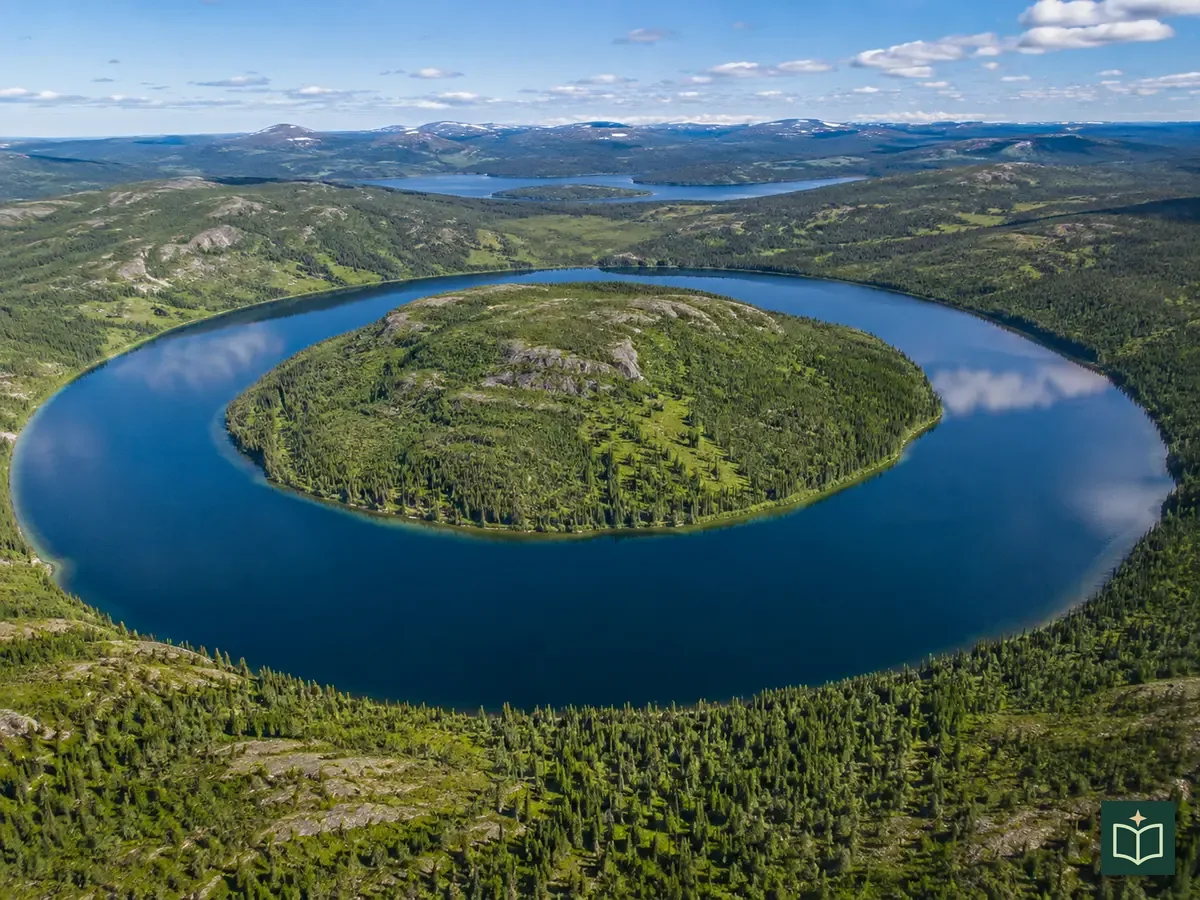
Popigai in northern Siberia, formed about 36 million years ago, is known for impact diamonds created when the shock wave struck graphite in the target rocks. Manicouagan in Quebec, about 214 million years old, is easy to see from space as a ring-shaped reservoir surrounding a central island. Acraman in South Australia is now marked by a salt lake, and debris thrown out by the impact has been traced hundreds of kilometres away. Morokweng in South Africa, Kara in Arctic Russia, Beaverhead in the western United States and Tookoonooka, buried beneath sediments in Queensland, complete the ten. Their ages range from tens of millions to hundreds of millions of years.
Debates and a desert example
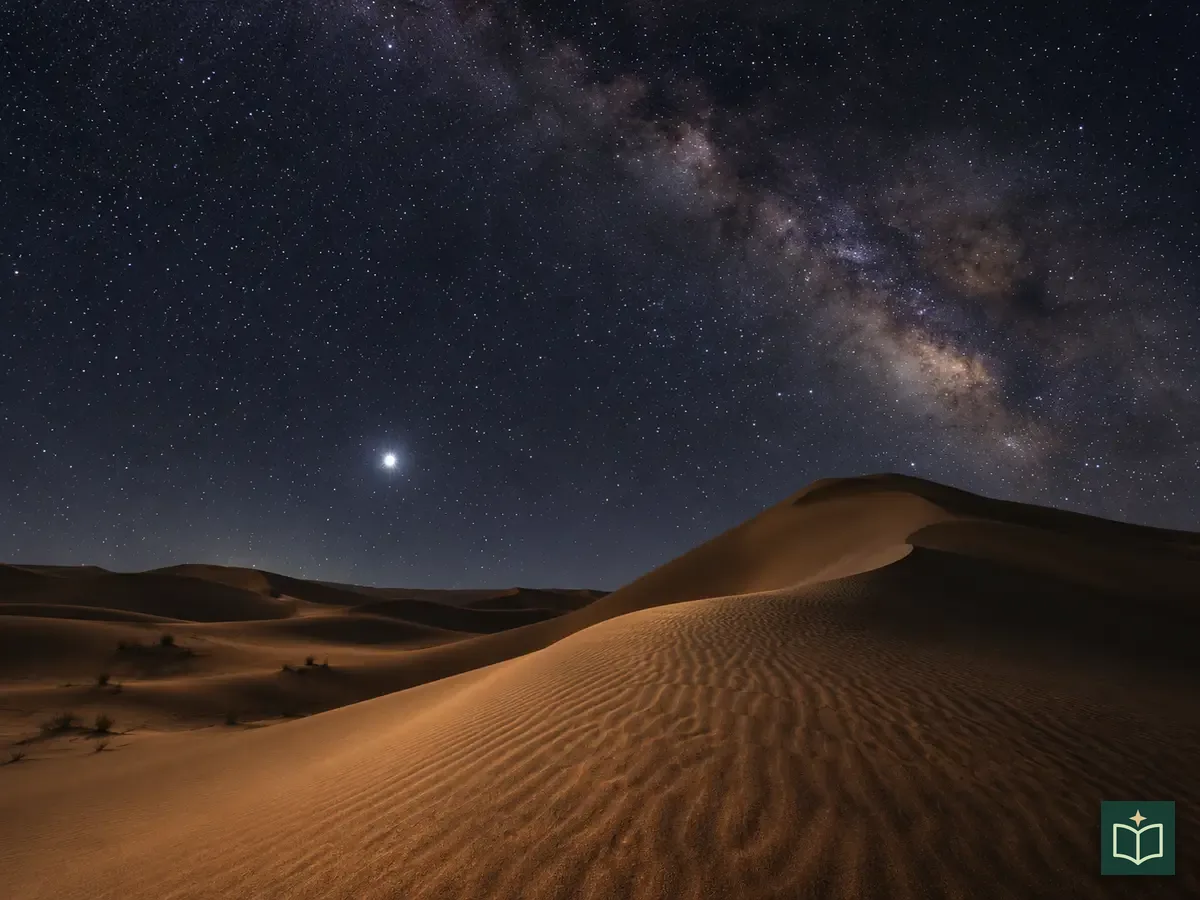
Sizes in this table are some of the most disputed in geology. Some researchers argue that Sudbury was originally 200 kilometres or more across, which would change the order, and estimates for Chicxulub range between about 150 and 200 kilometres. The Arabian Peninsula has its own, much smaller example. The Wabar craters, in the Rub’ al Khali of Saudi Arabia, were described by the British explorer St John Philby in 1932; the largest is only about 116 metres wide and they are thought to be just a few centuries old. Studying impacts matters for planetary defence: in 2022 NASA’s DART spacecraft deliberately struck a small asteroid moon and measurably changed its orbit.
Sources & further reading
Figures are rounded and widely published; check the linked organisations for the latest editions. These organisations do not endorse this website.