Africa's largest lake
Lake Victoria covers about 68,800 square kilometres, an area roughly the size of Ireland. It is the largest lake in Africa, the largest tropical lake in the world and, by area, the second-largest freshwater lake on Earth after Lake Superior in North America. Its shoreline stretches for more than 3,000 kilometres and is dotted with bays, inlets and islands. Standing on its shore, the water can stretch to the horizon like a sea.
Three countries
The lake is shared by three countries. Tanzania holds about 49% of its surface, Uganda about 45% and Kenya about 6%. Major cities and towns line its shores, including Mwanza in Tanzania, Kampala and Entebbe near the lake in Uganda, and Kisumu in Kenya. The Lake Victoria Basin Commission, part of the East African Community, coordinates cooperation between the countries that share the lake and its catchment.
Shallow but huge
Despite its size, Lake Victoria is surprisingly shallow, with a maximum depth of around 80 metres and an average of about 40 metres. It sits in a shallow depression between the two branches of the East African Rift, rather than in a deep rift valley like Lake Tanganyika. Geologists believe the lake has dried out completely several times in the past, most recently around 15,000 years ago, before refilling.
Source of the Nile
Most of the lake's water comes from rain falling directly on its surface, with the rest from rivers such as the Kagera, which flows in from the west. Water leaves the lake at Jinja in Uganda, where it begins its journey as the White Nile, eventually joining the Blue Nile in Sudan. British explorer John Hanning Speke reached the lake in 1858 and named it after Queen Victoria, identifying it as a source of the Nile.
A lake of fish
Lake Victoria once held hundreds of species of small cichlid fish, many found nowhere else, which made it a famous natural laboratory for studying evolution. In the 1950s and 1960s, Nile perch, a large predatory fish, was introduced to boost fisheries. Nile perch became the basis of a valuable export industry, but its spread contributed to the decline and disappearance of many native cichlid species, one of the most dramatic extinction events in modern times.
Livelihoods
The lake supports the livelihoods of millions of people. Fishing provides food and income for many communities, with catches of Nile perch, tilapia and small silver fish called dagaa or omena. The lake is also used for transport, with ferries linking ports and islands. Surrounding land is used for farming, and the lake supplies water for drinking, irrigation and hydropower downstream on the Nile, including dams in Uganda.
Challenges
Lake Victoria faces several environmental challenges. Pollution from farms, cities and industries adds nutrients that can cause algal blooms and reduce oxygen in the water. Water hyacinth, an invasive floating plant, spread rapidly in the 1990s, blocking ports and fishing grounds, before control efforts reduced it. Overfishing, wetland loss and changes in rainfall also affect the lake. Governments, scientists and communities are working together to protect it.
Islands and wildlife
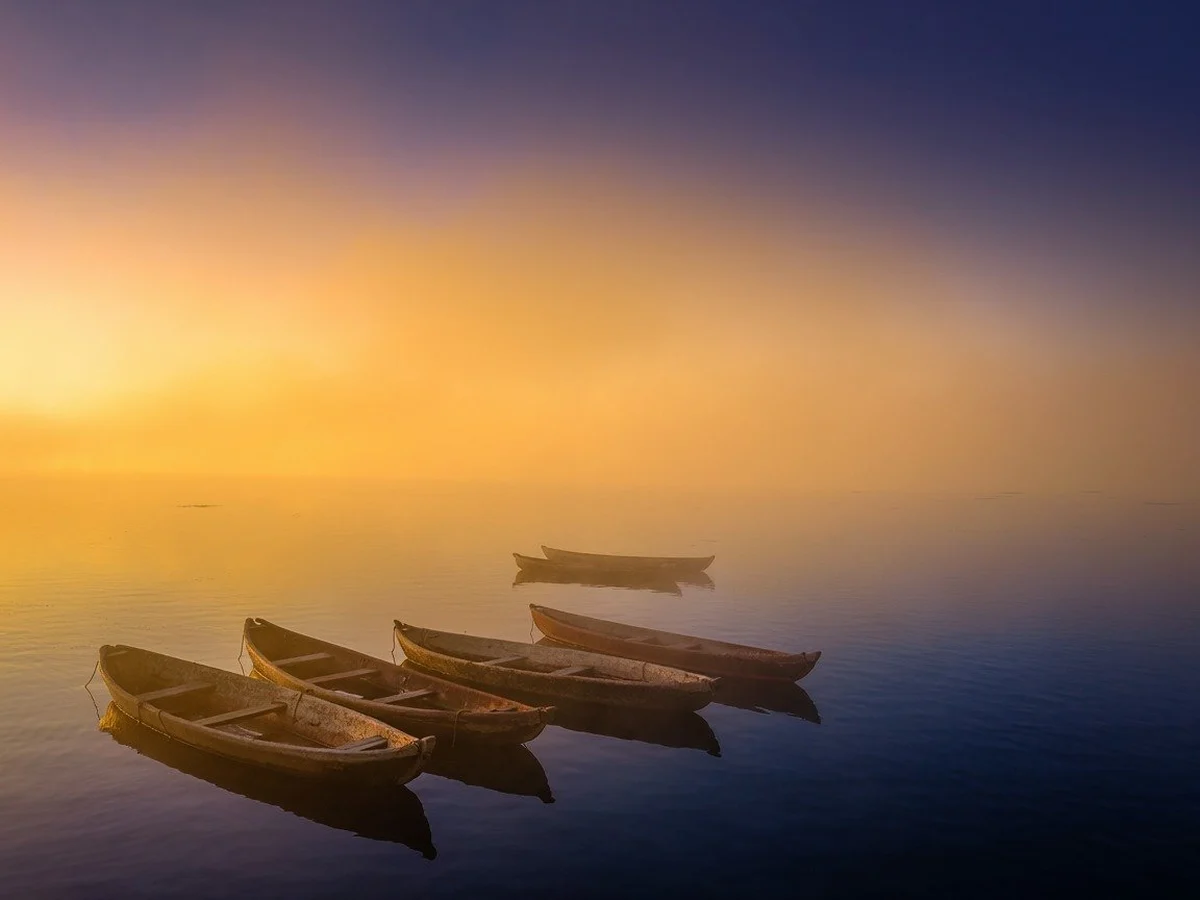
The lake contains many islands, including the Ssese Islands in Uganda, a popular destination for visitors, and Rubondo Island in Tanzania, a national park where chimpanzees, sitatunga antelope and many birds live. Wetlands around the shore are important for birds such as the shoebill, a striking stork-like bird. Hippos and crocodiles are found in quieter areas, and the lake's sunsets draw tourists to its beaches and lodges.
Climate and the lake
Lake Victoria is so large that it creates its own weather. During the day, land heats faster than water, drawing moist air from the lake onto the shore, while at night breezes blow back over the water, often triggering powerful thunderstorms on the lake. These storms can be dangerous for fishing boats, and scientists are developing better weather warnings to improve safety for the millions who work on the water.
Why it matters
Lake Victoria is far more than a large body of water. It shapes the climate of the surrounding region, creating its own weather systems, and its waters flow on to sustain the Nile through several countries. For the communities around its shores, it is a source of food, work and identity. Protecting its health is essential for the future of East Africa and for everyone who depends on the Nile.
Sources & further reading
- Encyclopaedia Britannica · Lake Victoria ↗
- Wikipedia · Lake Victoria ↗
- Lake Victoria Basin Commission ↗
Figures are approximate and may vary between sources. Photograph: original AI-generated illustration (Adobe Firefly). Reference organisations do not endorse this website.