What makes a settlement informal
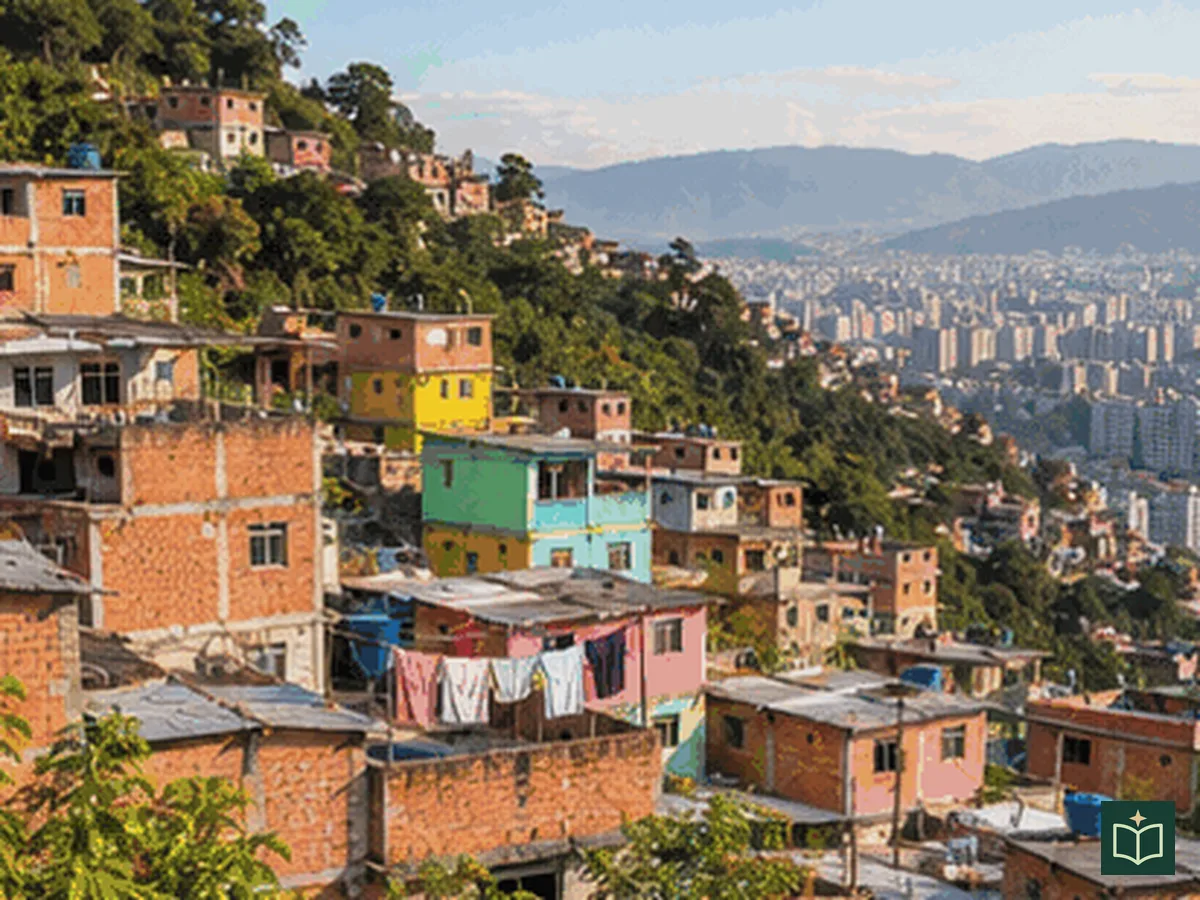
An informal settlement is a neighbourhood built largely outside official rules on land ownership, planning and construction. Residents may have no legal title to their plots, and homes may lack permits or fall short of building codes. Many lack reliable piped water, sanitation, drainage or electricity. UN-Habitat defines a slum household as one lacking at least one of five things: durable housing, enough living space, safe water, adequate sanitation or secure tenure. By that measure, around 1.1 billion people live in slums or informal settlements, mostly in Asia and sub-Saharan Africa. Familiar names include the favelas of Brazil, Mumbai’s Dharavi and Nairobi’s Kibera.
Why they form
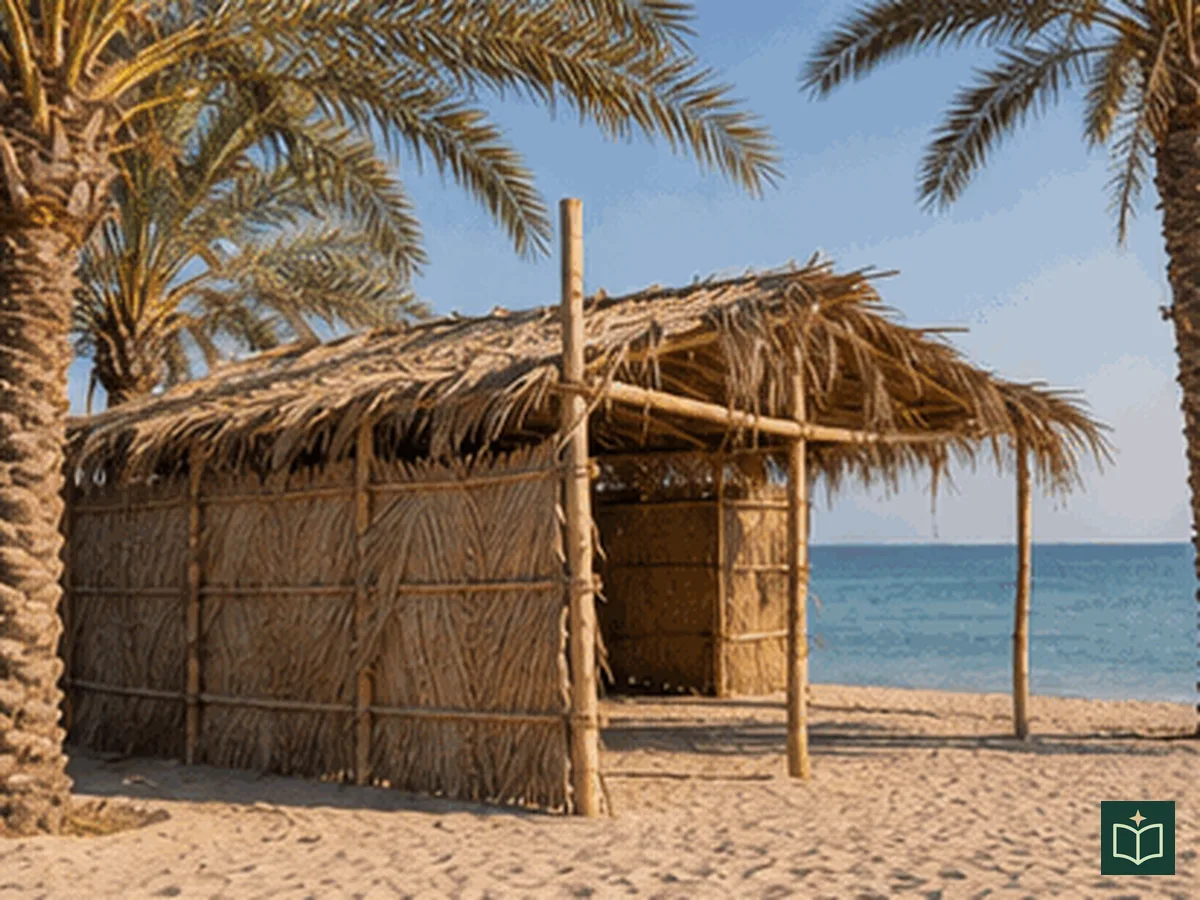
Informal settlements are, above all, a response to a housing gap. When cities grow rapidly through migration and natural increase, the supply of affordable formal housing, serviced land and transport rarely keeps pace. Strict zoning, costly permits and slow land registration can make legal housing unaffordable for low-income workers. People still need to live close to jobs, so they build where they can: on steep hillsides, riverbanks, floodplains, railway margins or public land that nobody is guarding. Settlement often begins with simple shacks of salvaged materials. Because the land is marginal, residents frequently face higher risks from floods, landslides and fire than the formal city around them.
How they change over time
Informal settlements are not static. Over years and decades, households invest in their homes room by room, replacing timber and sheet metal with brick and concrete and adding storeys as families grow and savings allow. Shops, workshops, schools and places of worship appear. Many older settlements have become dense, established districts with their own economies, where a large share of the city’s workers live. Dharavi, for example, is known for its small industries, including pottery, leather and recycling. A common misconception is that such areas are disorganised or idle. In fact, they often hold dense networks of enterprise, family ties and community organisation.
Why they persist
Several forces keep informal settlements in place. Insecure tenure discourages long-term investment and makes it hard for residents to borrow against their homes. Authorities may hesitate to provide services, fearing this would legitimise occupation. Population counts are often uncertain; estimates for Kibera, for instance, have ranged from under 200,000 to around a million, which makes planning difficult. Forced evictions and clearance have been common historically, but they usually push people to other informal areas, often further from work, without solving the shortage of affordable housing. As long as formal housing remains out of reach, informal building continues to meet the demand.
How upgrading works
Since the 1970s, many governments and agencies have shifted from clearance towards upgrading: improving settlements where they stand. Typical steps include laying water pipes, sewers and drains, paving paths, adding street lighting and providing schools and clinics, often alongside granting residents more secure tenure. Rio de Janeiro’s Favela-Bairro programme in the 1990s connected hillside favelas to city services. In Medellín, Colombia, cable cars opened from 2004 linked steep informal districts to the metro. Thailand’s Baan Mankong programme lends money to community groups who plan and rebuild their own neighbourhoods. Programmes that involve residents directly tend to last longer than those imposed from outside.
Why it matters
Improving informal settlements is one of the central challenges of urbanisation. The United Nations Sustainable Development Goals include a target to ensure access for all to adequate, safe and affordable housing and to upgrade slums. Success depends on supplying affordable land and housing ahead of growth, as well as fixing existing neighbourhoods. Measures such as planning for expansion, laying out serviced plots before people arrive, and simplifying land registration can prevent new settlements from forming without services. The deeper lesson is that residents of informal settlements are city builders. Treating them as partners, not obstacles, has produced the most lasting improvements in cities around the world.
Sources & further reading
Figures are rounded and widely published; check the linked organisations for the latest editions. These organisations do not endorse this website.