Architecture without engineers
For most of history, homes were built without architects, power or imported materials. Families and local craftsmen used what the land supplied and refined designs over generations through trial and error. The result is that traditional buildings often read like a climate map. In hot, dry places, walls are thick and windows small. In hot, humid places, homes are light, raised and open to breezes. In cold places, they are compact and insulated. In snowy regions, roofs are steep. Geographers call this vernacular architecture, and studying it reveals how people solved the problem of comfort with nothing more than local knowledge and natural materials.
The barasti of the Gulf coast
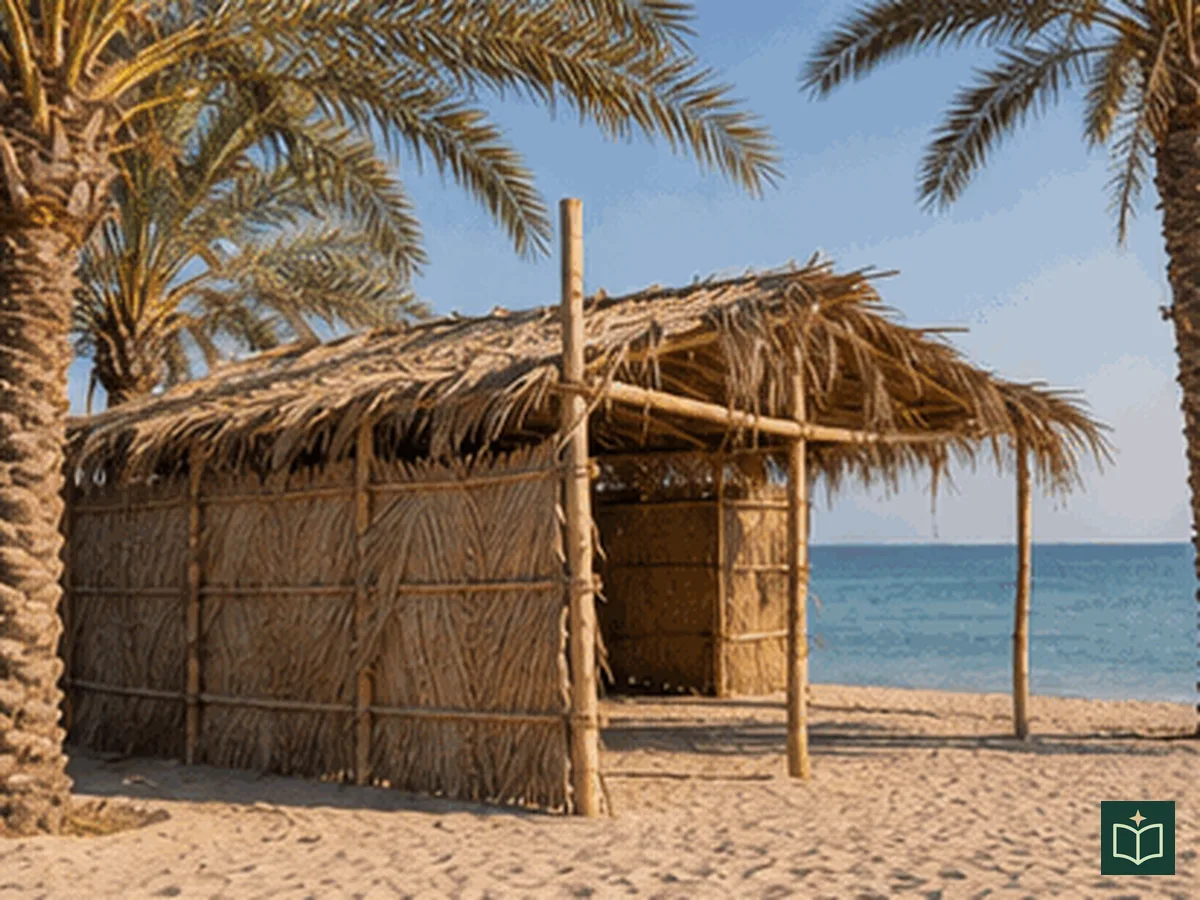
Along the Gulf coast, the classic summer home was the barasti, also known as an arish house, built from the fronds and trunks of the date palm. Its walls of woven fronds let air pass freely through, so any breeze off the sea could cool the people inside, while the palm thatch shaded them from the fierce sun. The materials were free, light and easy to replace after storms. Families often moved between a breezy barasti in summer and a more solid dwelling in the cooler months. In coastal towns, wealthier merchants later built houses of coral stone and gypsum plaster, many topped with wind towers to catch the breeze.
Mud walls that store the night
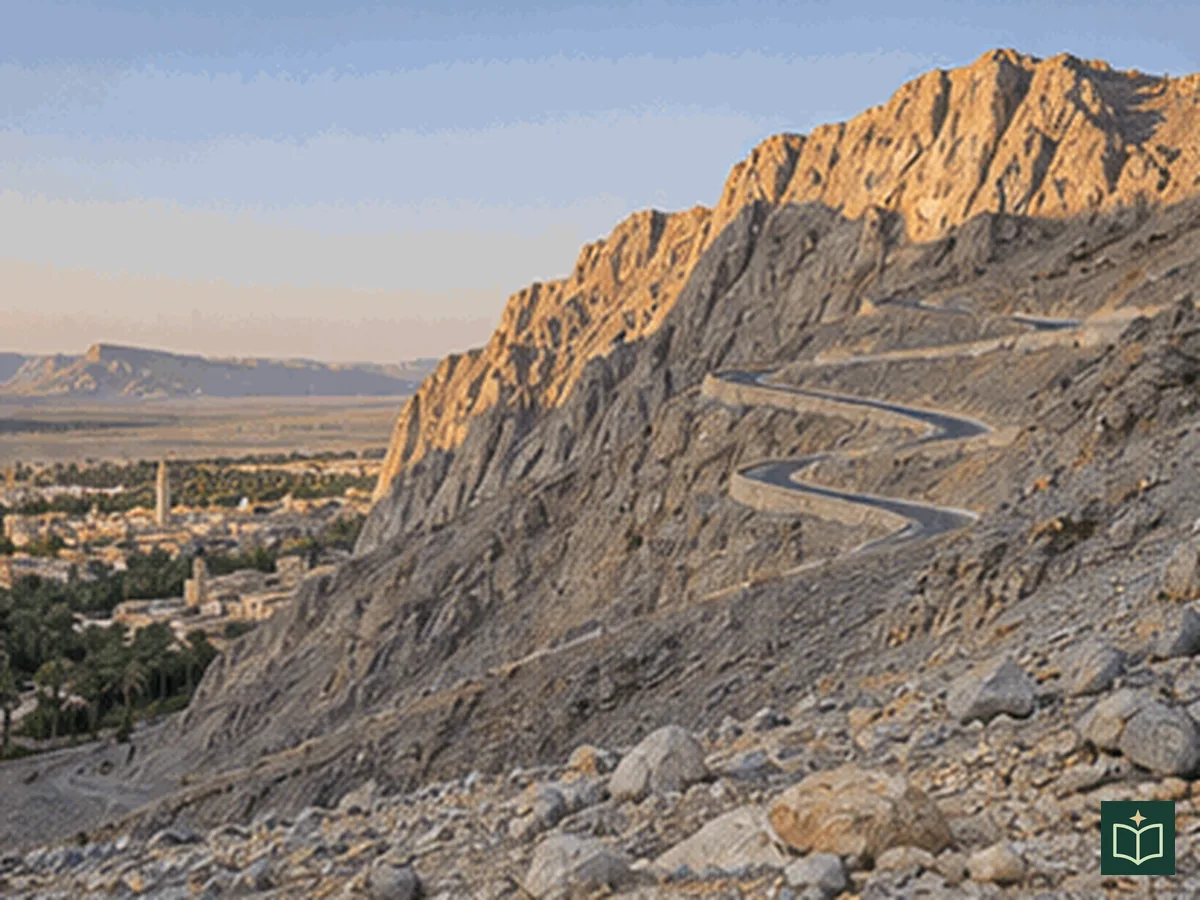
In hot, dry inland climates the strategy is the opposite of the barasti. Thick walls of mud brick or stone absorb heat slowly through the day and release it slowly at night, a property called thermal mass. Because deserts cool sharply after dark, the walls stay cooler than the outside air for much of the afternoon and warmer during the cold night. Small windows reduce sunlight entering, and inward-facing courtyards provide shade. The forts and houses of Al Ain, the adobe pueblos of the American south-west and the tower houses of Shibam in Yemen, rising five to eleven storeys from mud brick, all use this principle.
Stilts, thatch and steep roofs
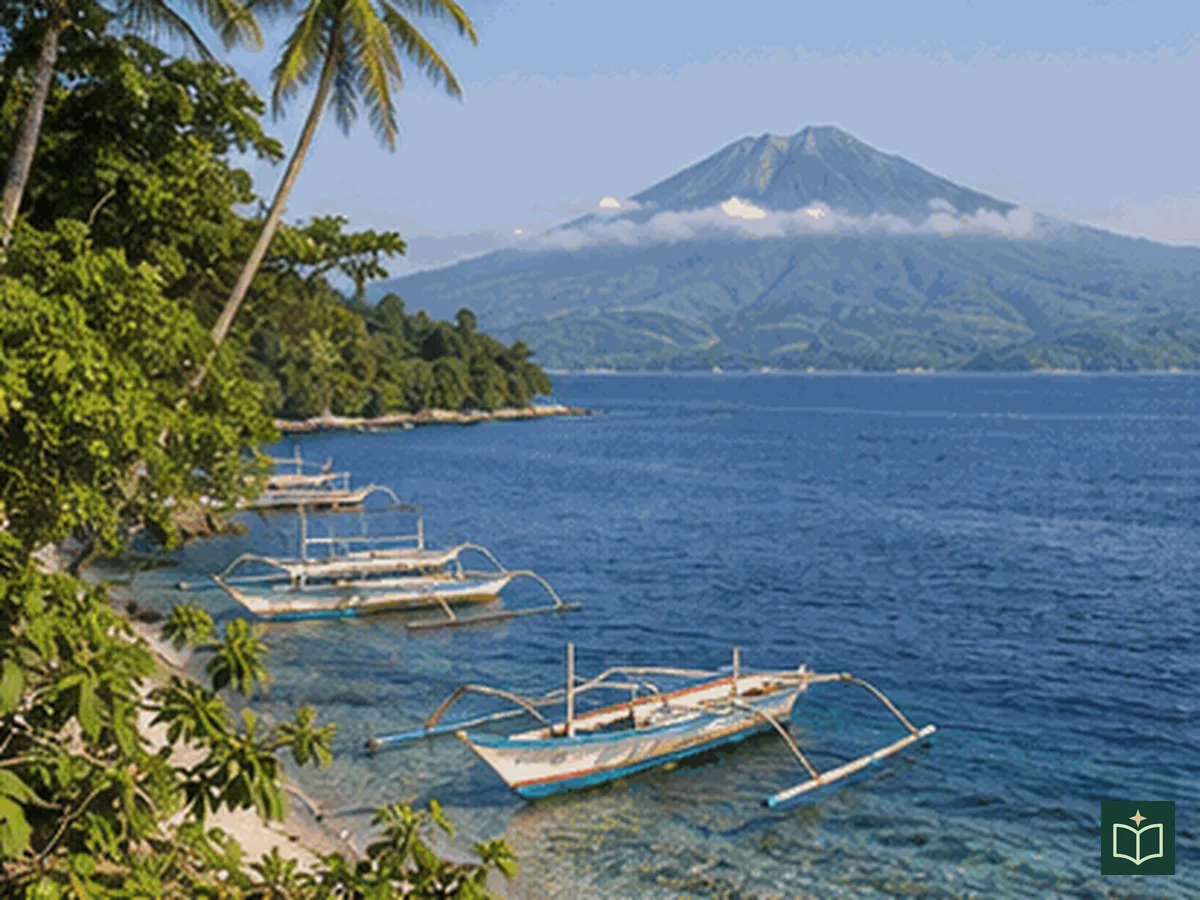
In the humid tropics, heat combines with heavy rain and stifling air, so houses are designed to breathe and to stay dry. Across South-East Asia, traditional homes stand on stilts. The raised floor catches more breeze, keeps living space above floods and mud, discourages snakes and pests, and leaves shaded space beneath for work or animals. Walls are often woven bamboo or timber panels that let air through, and wide, steep thatched roofs shed downpours quickly and shade the walls. Similar raised homes appear along the Mekong, in the Amazon and in coastal West Africa, wherever floods, humidity and heavy rain dominate the year.
Building against the cold
In cold climates the priority is keeping heat in. Homes are compact to reduce exposed surface, with thick walls, small openings and a central hearth. In the Arctic, Inuit hunters built igloos from blocks of wind-packed snow as temporary shelters. Snow is full of trapped air and is a good insulator, so with body heat and a small lamp the inside can stay near freezing while the outside air falls far below. A raised sleeping platform holds the warmest air, and a low entrance tunnel traps cold air. In snowy mountains, such as the villages of Shirakawa-go in Japan, steep thatched roofs let heavy snow slide off.
Lessons for modern buildings
Air conditioning, concrete and glass have let modern buildings look much the same from Dubai to Oslo, but at a high energy cost. In hot regions, cooling is one of the largest uses of electricity. Architects increasingly look back to vernacular ideas: shading facades, courtyards, natural ventilation, thick walls and reflective light colours. Some modern Gulf buildings include reinterpreted wind towers and screens inspired by traditional mashrabiya. Traditional houses had limits too, including fire risk, limited space and hard maintenance. Still, they prove that careful design suited to local climate can provide comfort while using far less energy than a sealed glass box.
Sources & further reading
- UNESCO World Heritage · Old Walled City of Shibam ↗
- UNESCO World Heritage · Historic Villages of Shirakawa-go and Gokayama ↗
- Britannica · Igloo ↗
Figures are rounded and widely published; check the linked organisations for the latest editions. These organisations do not endorse this website.