Hypothermia
When the body loses heat faster than it can produce it, core temperature falls. Early signs include intense shivering and clumsiness; as it worsens, confusion, slurred speech and drowsiness appear, and shivering may stop.
Frostbite
Frostbite occurs when tissue freezes, usually in exposed or poorly circulated areas. Frostnip causes temporary numbness; deeper frostbite damages tissue and can lead to blisters, blackened skin and amputation.
Risk factors
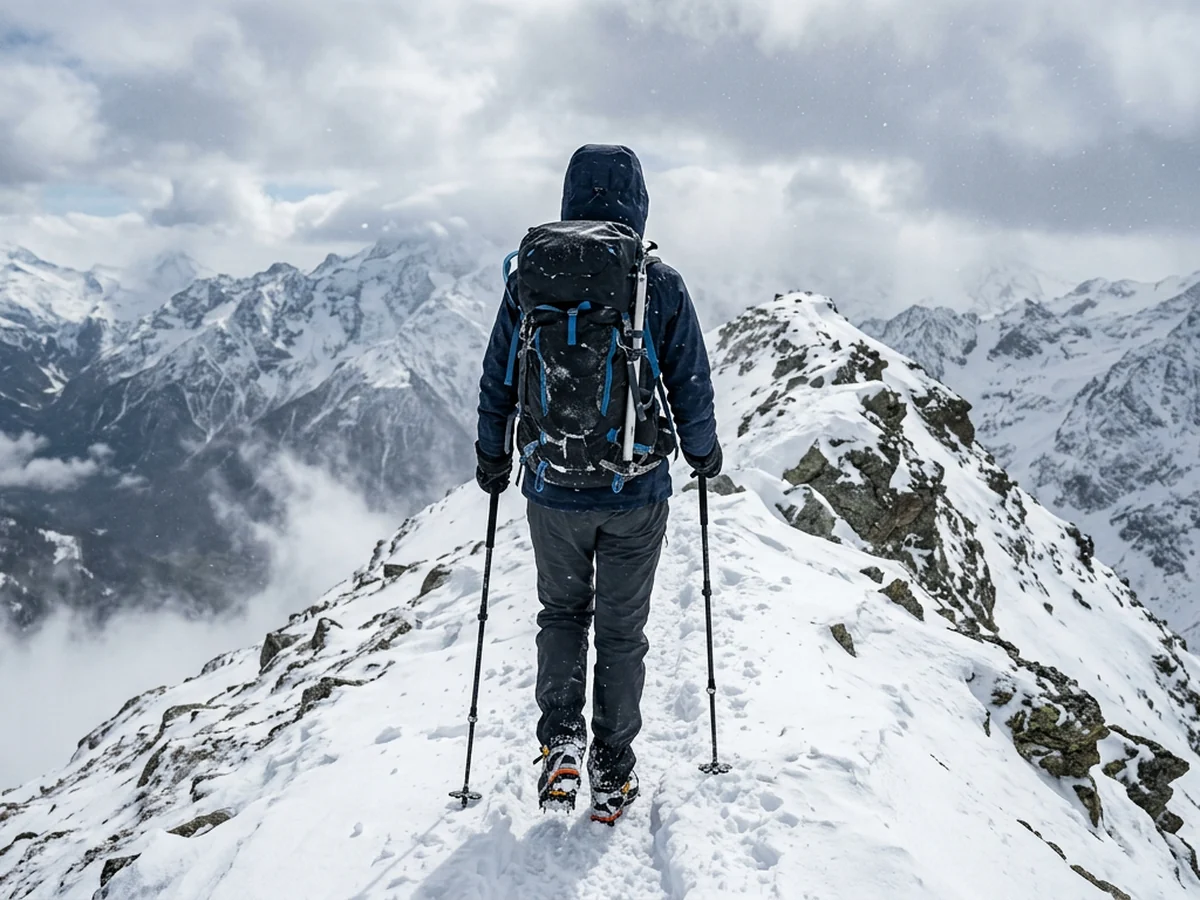
Wind, wet clothing, immersion in cold water, exhaustion, alcohol and old age increase the risk. Desert nights and high mountains, including Jebel Jais in winter, can be colder than people expect.
First aid
Move the person somewhere warm, remove wet clothing and warm them gradually with blankets. Call emergency services for suspected hypothermia or serious frostbite. This is general information, not medical advice.
Sources & further reading
General information only, not medical advice. Photograph: original AI-generated illustration (Adobe Firefly). Reference organisations do not endorse this website.