The same engine
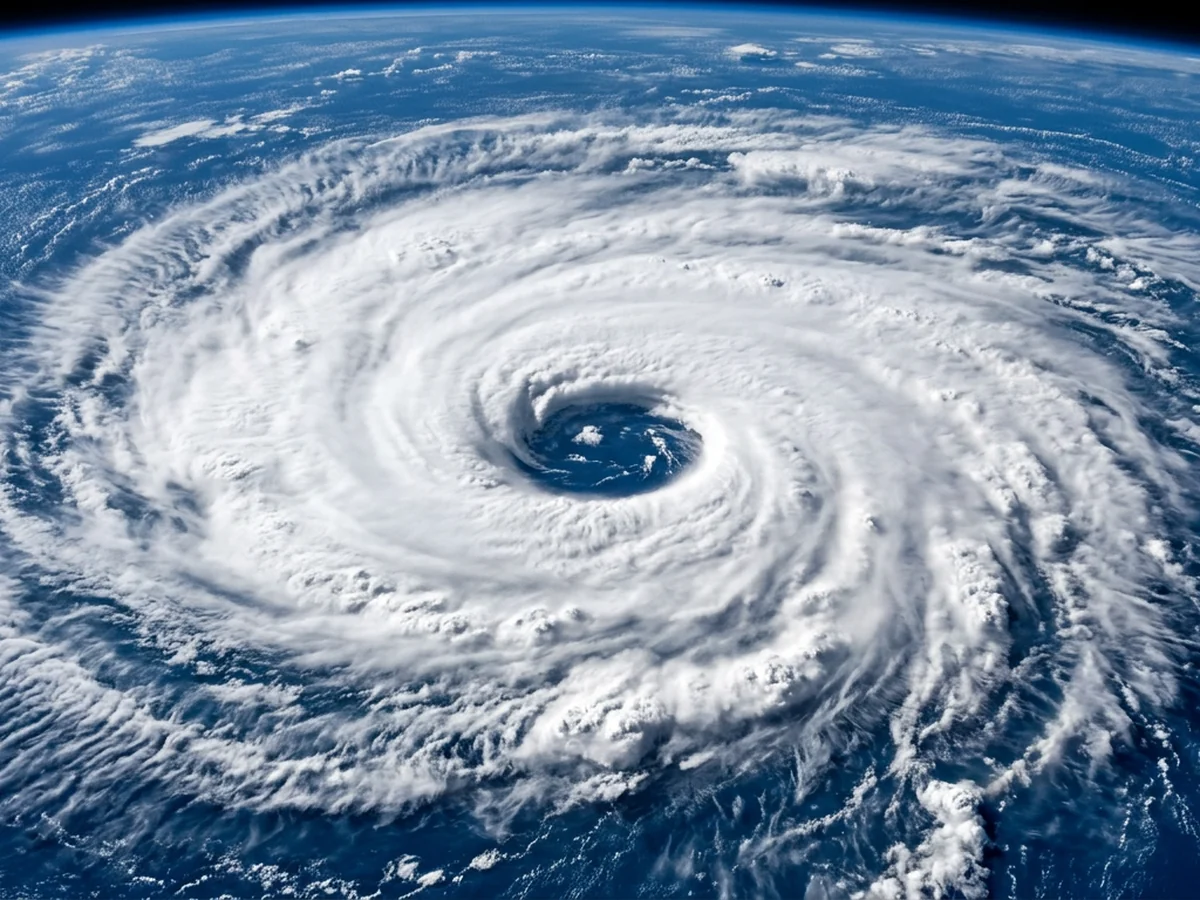
All tropical cyclones draw energy from warm ocean water. Moist air rises, condenses and releases heat, which drives stronger winds that pull in more moist air. Earth's rotation makes the system spin.
Different names
The name hurricane comes from a Taíno and Carib word for a storm god; typhoon may derive from Chinese or Arabic and Greek words; cyclone was coined in the 1840s from the Greek for coiling. Each region kept its own traditional term.
Different scales
Intensity scales also differ. The Saffir–Simpson scale ranks hurricanes from Category 1 to 5, while Japan and India use their own categories such as very severe cyclonic storm or super typhoon.
Storms near the Gulf
The Arabian Sea sees fewer cyclones than other basins, but they can bring extreme rain to Oman, Yemen and occasionally the UAE. Cyclone Gonu in 2007 was one of the strongest recorded in the Arabian Sea.
Sources & further reading
- NOAA · What is the difference between a hurricane and a typhoon? ↗
- World Meteorological Organization · Tropical cyclones ↗
Basin definitions follow WMO conventions. Photograph: original AI-generated illustration (Adobe Firefly). Reference organisations do not endorse this website.