An unattended shop
A vending machine has to do everything a shop assistant does without anyone watching. It must decide whether the money offered is genuine, work out the price and change, deliver the right product and keep a record of each sale. It must also survive heat, dust, kicks and the occasional attempt to fish out free snacks. The idea is old: the engineer Hero of Alexandria described a coin-operated dispenser of holy water in the first century, and machines selling postcards appeared in London in the 1880s. Today they sell drinks, snacks, coffee, electronics and even hot meals, from metro stations to office corridors.
Testing a coin
When a coin drops in, it rolls through a validator that measures it in several ways at once. Electromagnetic coils create a field that the coin disturbs as it passes; the size of the disturbance depends on its metal alloy, thickness and diameter. Optical sensors time how long it blocks a beam to estimate its size. If all readings match a stored profile for a real coin, a gate directs it into a cash box or a change tube. Anything that does not match, such as a washer or a foreign coin, falls straight to the return slot. Note readers work similarly, scanning paper with light, infrared and magnetic sensors to check printed security features.
Paying change
Suppose a drink costs AED 3.50 and a customer inserts a five-dirham note. The controller subtracts the price and owes AED 1.50 in change. It looks at its coin tubes, which hold separate stacks of each denomination, and pays out one AED 1 coin and one 50-fils coin, choosing the fewest coins it can. If the tubes are low on a particular coin, the machine may display an exact-change message or refuse large notes. Coins received from customers often refill the change tubes directly, so a well-designed machine recycles its own money and needs fewer visits from staff to keep it supplied.
Dropping the snack
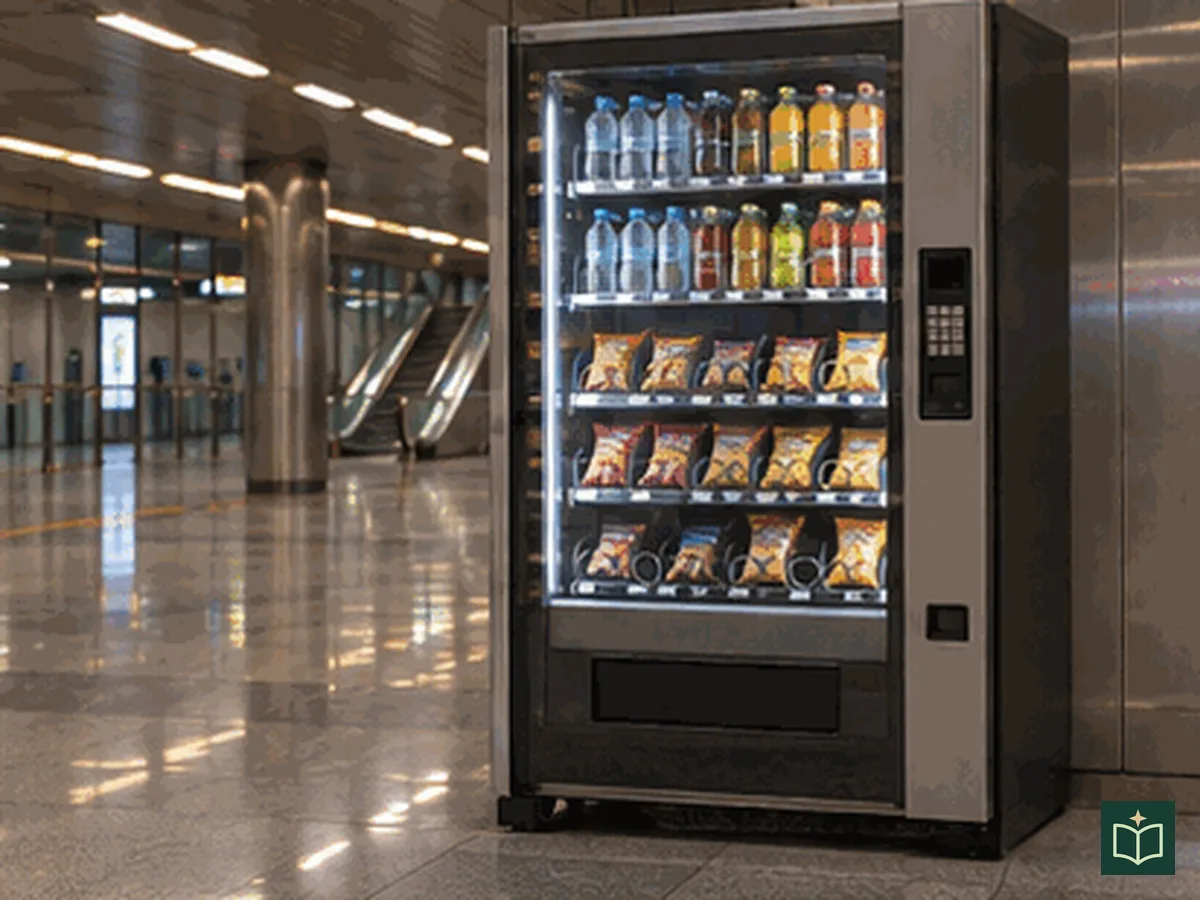
Most snack machines store items in metal spirals. When a selection is made, a small motor turns the right spiral one full rotation, pushing the front item off the edge. Many modern machines then check that it actually fell, using a curtain of infrared beams across the bottom of the cabinet. If no item breaks the beam, the machine tries again or refunds the customer instead of keeping the money. Drinks machines often use a lift that carries a bottle gently to the collection door, so that it does not get shaken. Refrigerated cabinets keep drinks cold, which in a Gulf summer can be the machine's largest use of electricity.
Cards, apps and telemetry
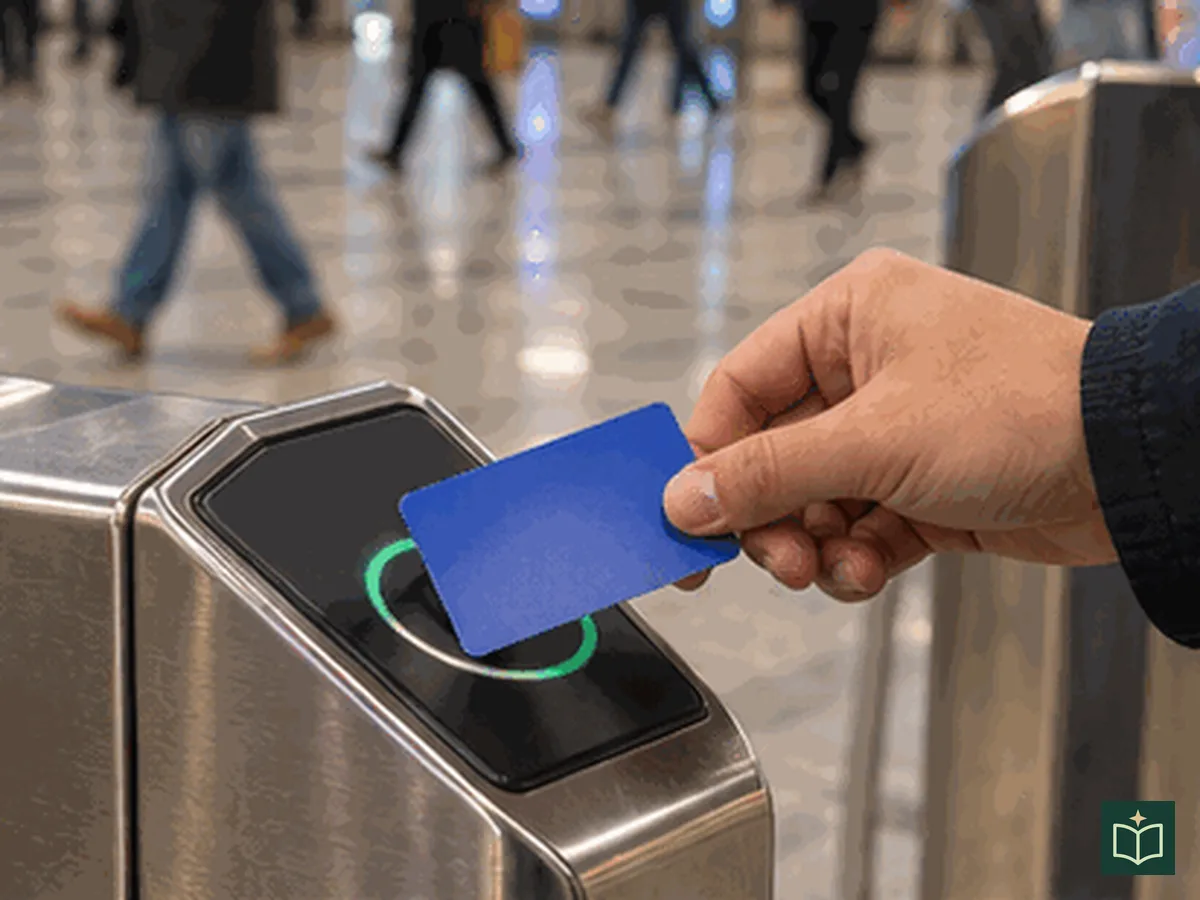
Most new machines also accept contactless cards and phone wallets through a small reader that connects to a payment network over a mobile data link. That same connection allows telemetry. Each sale, temperature reading and fault code is reported to the operator's software, so staff know which products are running low and which machines need attention before driving out. Industry data formats let machines from different makers report in a common way. Operators use this information to plan restocking routes, change prices remotely, test new products and spot faults such as a jammed spiral or a broken cooler, rather than discovering problems on a scheduled visit.
Why some countries love them
Vending density varies widely. Japan is famous for its machines, with roughly four million installed, many selling hot and cold drinks on street corners. Low crime, high labour costs, dense cities and a culture of convenience all help. Elsewhere, machines tend to cluster indoors in offices, stations and hospitals. Their economics depend on location: a machine in a busy corridor can earn far more than one in a quiet lobby, while the cost of restocking, repairs and electricity is similar. Newer designs add touchscreens, age checks for restricted products and cameras that recognise items, but the basic job remains unchanged: take payment, deliver goods, keep count.
Sources & further reading
Figures are rounded and widely published; check the linked organisations for the latest editions. These organisations do not endorse this website.