The symbol tells a story
Every UN resolution carries a document symbol that reveals who adopted it. Security Council resolutions begin with S/RES/, followed by a running number and the year, as in S/RES/242 (1967). General Assembly resolutions begin with A/RES/, followed by the session number and the resolution's number within that session. The Human Rights Council and other bodies use their own prefixes. The title is usually short and descriptive, and the adoption date and vote, if there was one, are recorded in the meeting record. Draft resolutions carry different symbols and list sponsoring states; checking whether a text is a draft or an adopted resolution avoids a common source of confusion.
The preamble
A resolution opens with preambular paragraphs, which are not numbered. Each starts with a participle or adjective, traditionally printed in italics, such as Recalling, Reaffirming, Noting with concern, Deeply alarmed or Recognising, and ends with a comma. These paragraphs set the scene. They cite earlier resolutions, relevant treaties and reports, describe the situation and explain why the body is acting. They do not create obligations, but they matter. Negotiators fight hard over them, because they frame how a problem is understood, which principles are mentioned and which past texts are reaffirmed. The preamble can later help interpret what the operative paragraphs were intended to achieve.
The operative paragraphs
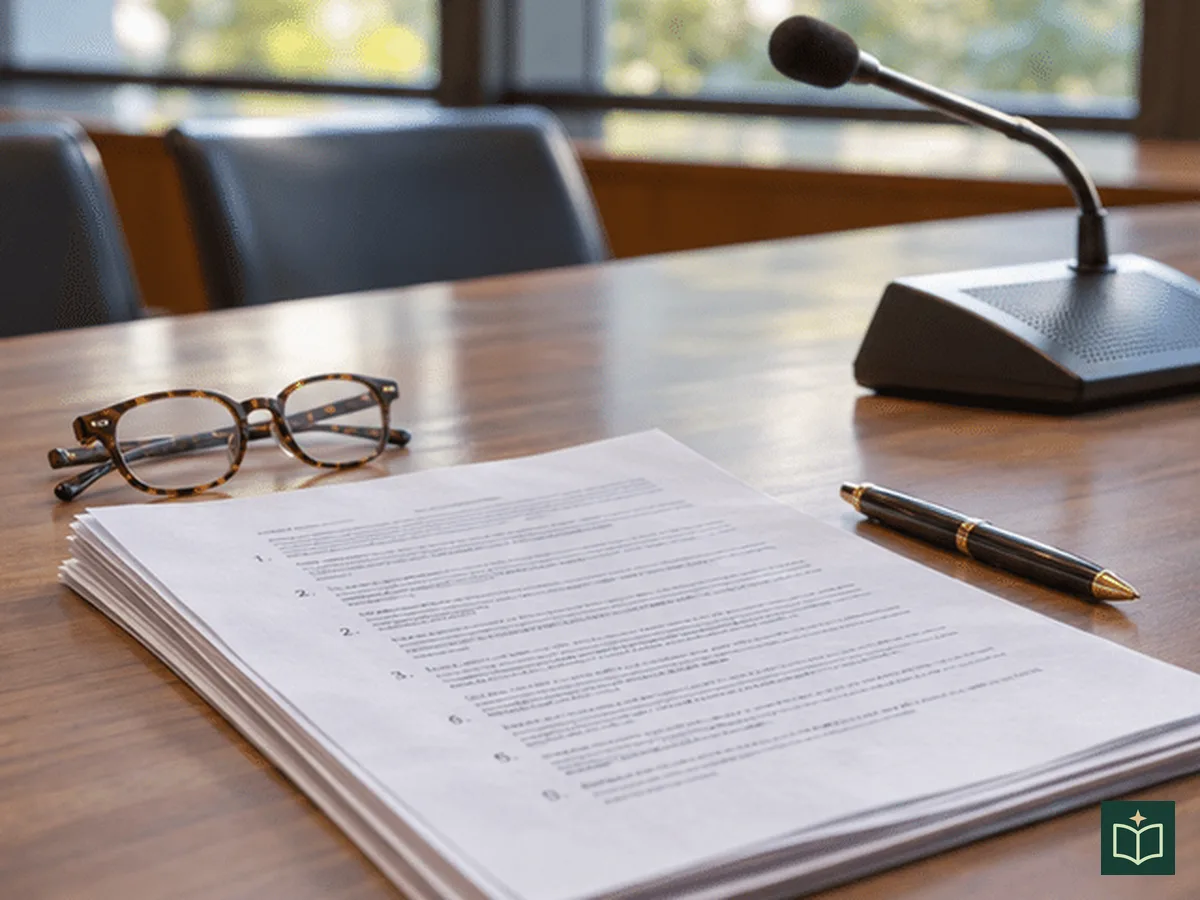
The operative part follows as a series of numbered paragraphs, each beginning with a verb in the present tense and ending with a semicolon, except the last, which ends with a full stop. This is where the body acts. Common verbs include Encourages, Invites, Calls upon, Urges, Requests, Demands, Condemns and Decides. A request to the Secretary-General to report back by a given date is a typical operative paragraph, and it creates a timetable for follow-up. Long resolutions may include annexes with detailed rules or lists. Because each operative paragraph stands on its own, reading their opening verbs in sequence gives a quick summary of the resolution.
How strong is the verb
Verbs form a rough scale of intensity. Encourages and invites are gentle; calls upon and urges are firmer; demands is stronger still. The most significant word is decides. In a Security Council resolution, particularly one that states the Council is acting under Chapter VII of the UN Charter, a decision binds all UN member states under Article 25 of the Charter. Sanctions regimes and the creation of peacekeeping operations take this form. General Assembly resolutions, by contrast, are mostly recommendations, even when they use strong language. The Assembly's decisions do bind members on internal matters, however, such as the UN budget and the scale of contributions.
Signals in the details
Other phrases carry meaning too. The closing paragraph of many Security Council resolutions reads Decides to remain seized of the matter, signalling that the Council intends to keep the issue on its agenda. Whether a text was adopted unanimously, by consensus without a vote, or with abstentions tells readers about the level of support behind it. Explanations of vote, given by delegations before or after adoption, often reveal how states interpret ambiguous wording. Footnotes and annexes can hold important technical detail that news headlines often miss, and references to earlier resolutions may quietly carry forward commitments that were agreed many years before.
Reading one yourself
Adopted resolutions are freely available through the UN's official documents system and the Dag Hammarskjöld Library. When reading one, start with the symbol and date, skim the preamble for the context and the texts it relies on, then list the opening verbs of the operative paragraphs. Ask whether the body is acting under a binding power, who is being asked to do what, and whether there is a reporting deadline. News reports often summarise a resolution in a single phrase, such as calls for or condemns, which can blur important distinctions. Reading the operative verbs directly is the quickest way to see what was actually agreed.
Sources & further reading
Figures are rounded and widely published; check the linked organisations for the latest editions. These organisations do not endorse this website.