Origins
Mercosur, short for Mercado Común del Sur in Spanish and Mercosul in Portuguese, was created by the Treaty of Asunción, signed in 1991 by Argentina, Brazil, Paraguay and Uruguay. It grew out of a rapprochement between Argentina and Brazil in the 1980s, after both returned to civilian government. Its goal was a common market with free movement of goods, services and factors of production, a common external tariff and coordinated economic policies. Bolivia has since become a full member, while Venezuela joined in 2012 but has been suspended since 2016. Several other South American countries, including Chile and Colombia, are associate states that take part in some activities and trade preferences.
A customs union
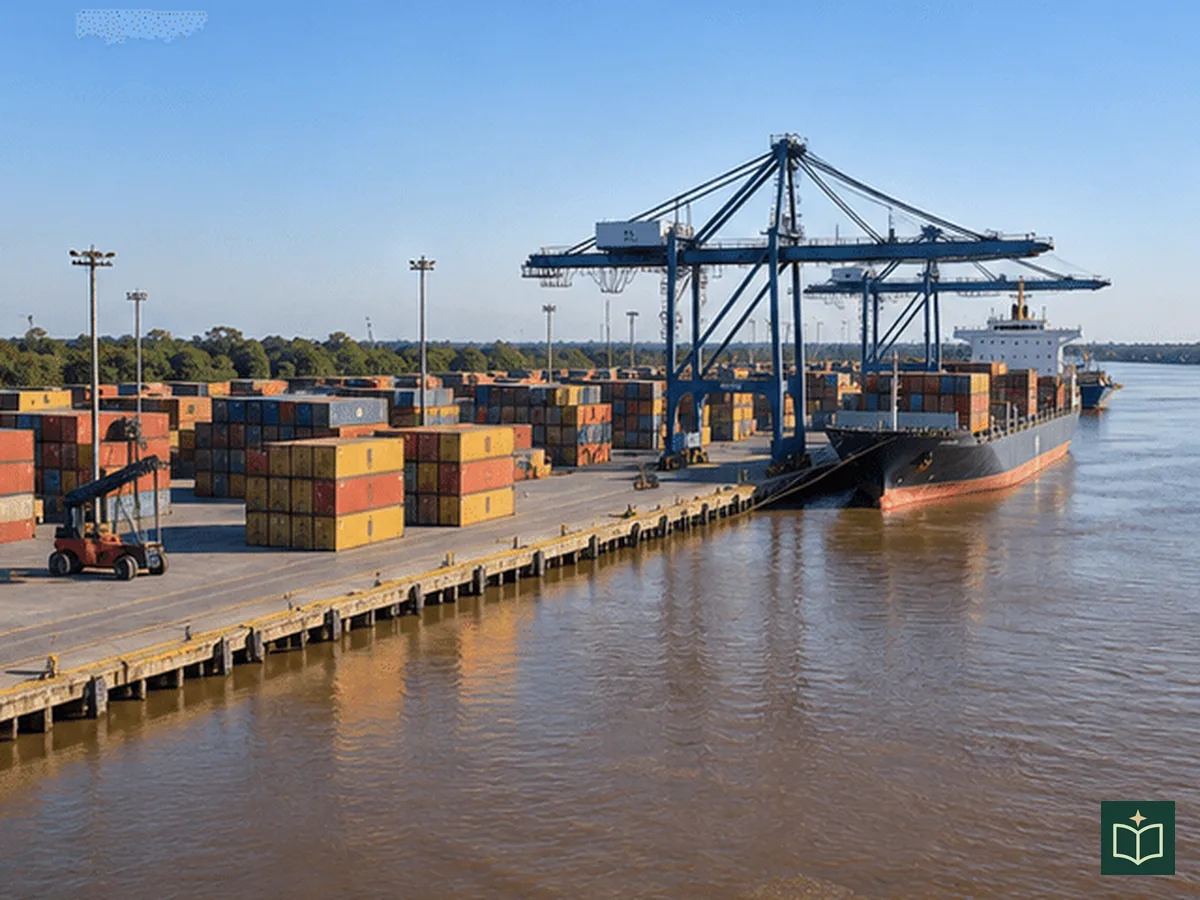
Economists describe Mercosur mainly as a customs union. Members have removed most tariffs on goods traded among themselves, and since 1995 they have applied a common external tariff to most imports from outside the bloc. That means a car part entering Brazil or Uruguay from outside pays broadly the same duty, which in principle prevents goods from entering through the member with the lowest tariff. In practice, members keep lists of exceptions, and sensitive sectors such as cars and sugar have had special arrangements. For that reason, Mercosur is often called an imperfect customs union, sitting between a free trade area and a full common market.
Who decides
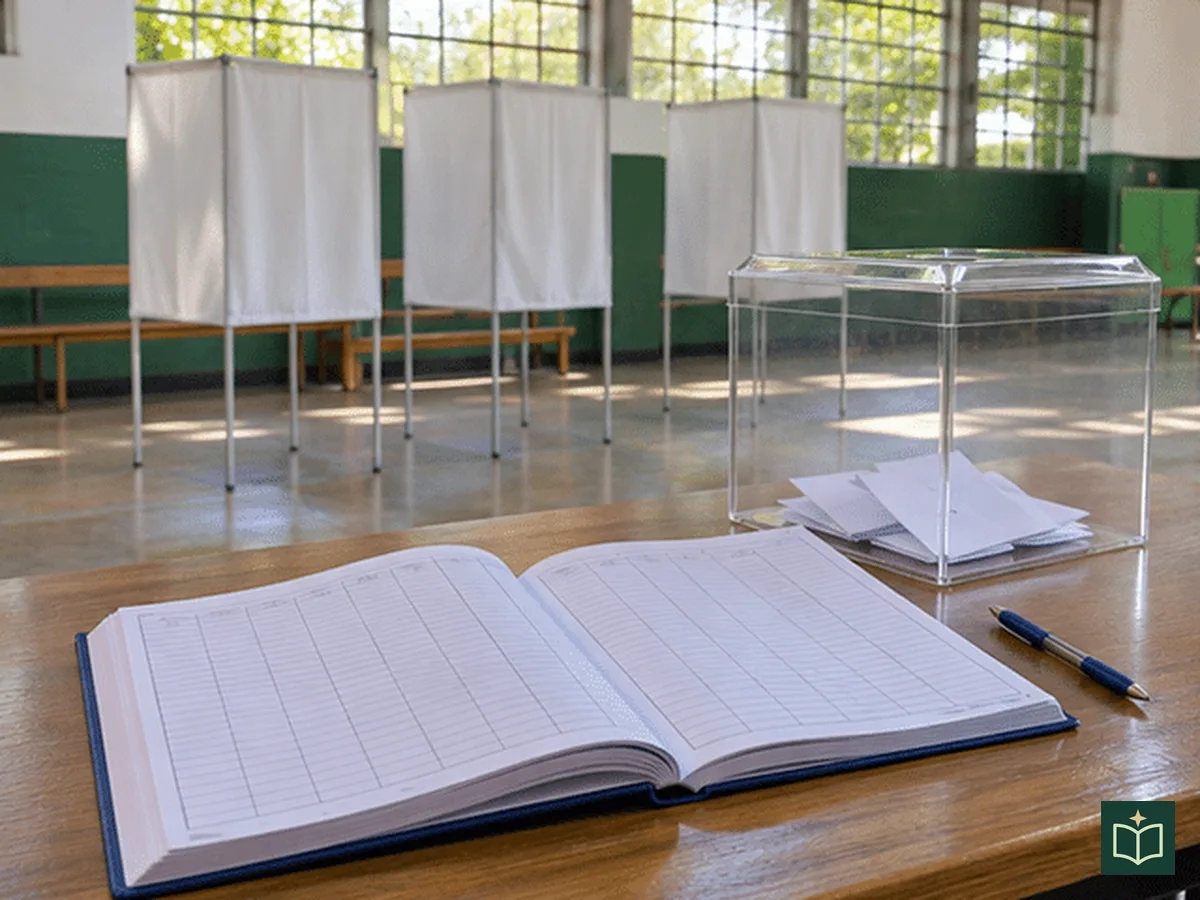
The 1994 Protocol of Ouro Preto set up Mercosur's institutional structure. The Common Market Council, made up of foreign and economy ministers, is the highest decision-making body and gives political direction. The Common Market Group, formed of senior officials, is the executive body that implements decisions and negotiates details. A Trade Commission oversees the common trade policy and the external tariff. Decisions are taken by consensus, with all member states present, which means each country effectively has a veto. A pro tempore presidency rotates among members every six months. A secretariat and the Mercosur Parliament are based in Montevideo, while a permanent review tribunal for disputes sits in Asunción.
Negotiating as a bloc
Because members share an external tariff, they are expected to negotiate trade agreements with outside countries together, not separately. Mercosur has signed agreements with partners including Israel, Egypt and Singapore. The longest-running negotiation has been with the European Union. Talks began in 1999, and the two sides announced the conclusion of an agreement in December 2024, after a quarter of a century; ratification has been politically contested in some European countries. Mercosur and the UAE have also held trade talks. The rule of joint negotiation has caused tension when individual members wanted to pursue faster deals with large economies on their own.
Successes and frictions
Trade within Mercosur grew substantially after the bloc was founded, and companies in member countries built supply chains across borders, especially in vehicles, food processing and machinery. Yet the bloc has faced recurring friction. Economic crises in Brazil and Argentina have led to unilateral trade restrictions, and smaller members, Paraguay and Uruguay, have argued that the arrangements favour the two largest economies. Members have disagreed over how fast to lower the external tariff. Unlike the European Union, Mercosur has no supranational commission that can enforce rules, and its decisions take effect only when incorporated into each member's national law, which can take years.
Why it matters
Mercosur brings together most of South America's population and economic output, including two of the region's largest economies. For businesses outside the region, its common external tariff and joint negotiations determine the terms on which goods enter these markets, from Gulf exports of fertilisers and fuels to imports of beef, soybeans and poultry. It also offers a useful comparison with other regional groupings, showing what a customs union can achieve without deep political integration. Whether the bloc moves towards a more open tariff, more flexibility for members or deeper integration is the main question that will shape its future in the coming years.
Sources & further reading
Figures are rounded and widely published; check the linked organisations for the latest editions. These organisations do not endorse this website.