A treaty and its network
The Comprehensive Nuclear-Test-Ban Treaty, opened for signature in 1996, bans all nuclear explosions, whether for weapons or peaceful purposes. It has not yet entered into force, because it requires ratification by 44 specific states that had nuclear power or research reactors when it was negotiated, and several have not ratified. Even so, its verification system has been built and operates. A Preparatory Commission in Vienna runs the International Monitoring System, a global network of 321 stations and 16 laboratories. Data flow by satellite to an International Data Centre in Vienna, which processes them and shares results with the states that have signed the treaty.
Listening to the ground
Seismic monitoring is the backbone of the system. The network includes 50 primary and 120 auxiliary seismic stations, from deep boreholes to remote arrays on several continents. An underground explosion sends waves through the Earth that can be detected thousands of kilometres away. Analysts locate the event by comparing arrival times at different stations and estimate its size from the strength of the signal. Distinguishing an explosion from an earthquake relies on several clues. Explosions are usually shallow, start abruptly and produce a different balance of wave types. Earthquakes typically occur deeper and involve slipping along a fault, which generates a distinctive pattern of shear waves.
Sea and air
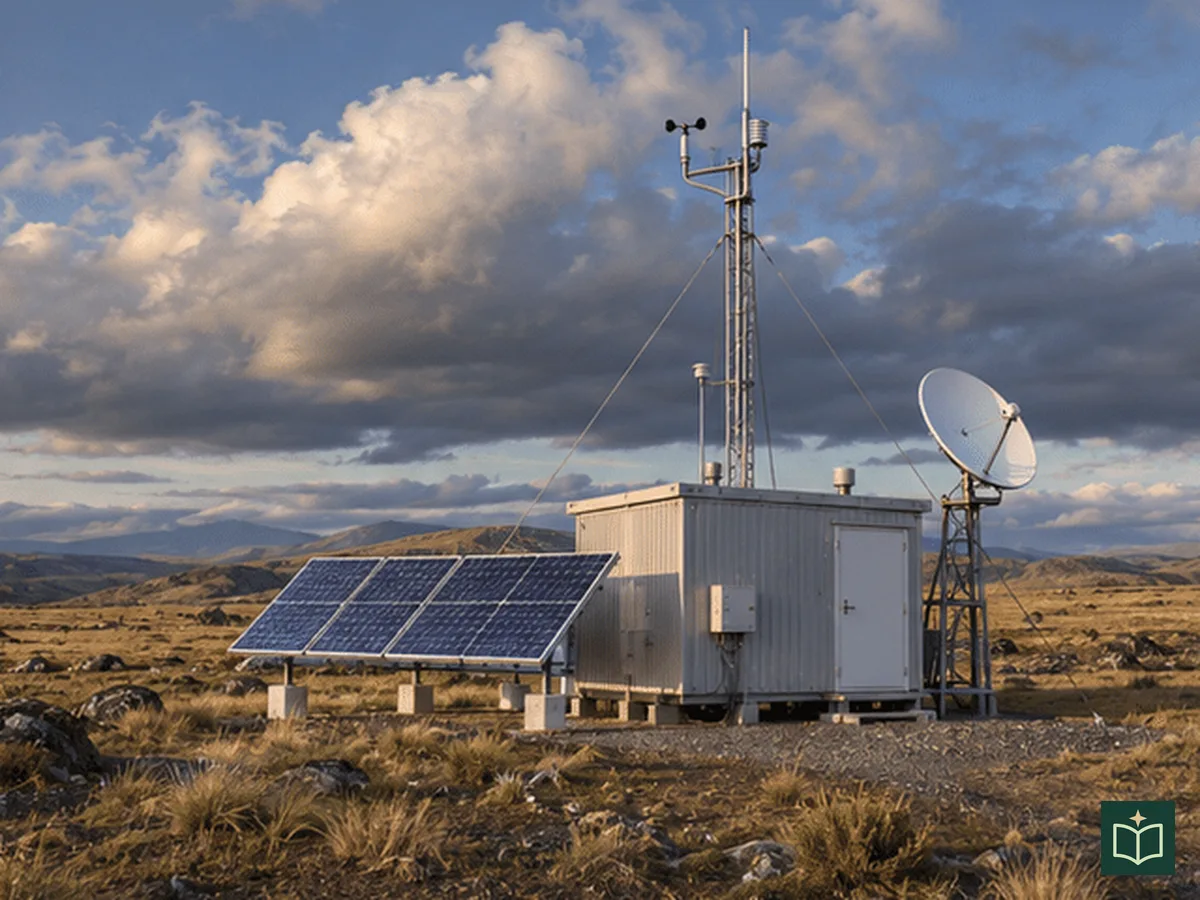
Other technologies cover what seismometers might miss. Eleven hydroacoustic stations listen to the oceans, where sound travels very efficiently through a layer of water known as the SOFAR channel, so an explosion at sea can be heard across whole ocean basins. Sixty infrasound stations detect low-frequency sound waves in the atmosphere, below the range of human hearing, which are produced by explosions in the air or near the surface. Together with seismic data, these sensors allow the network to monitor underground, underwater and atmospheric environments. Some stations sit in very remote locations, from Antarctica to small Pacific islands, chosen to give coverage across the whole globe.
The radioactive fingerprint
Waves can show that an explosion happened, but only radioactive particles or gases can prove it was nuclear. The network includes 80 radionuclide stations that pump air through filters and test for radioactive particles, and many of them also detect radioactive forms of the noble gas xenon. Even a well-contained underground test can leak small amounts of these gases. Atmospheric transport models then trace the air backwards to estimate where the material came from. Sixteen certified laboratories analyse samples in more detail. When radioactive xenon consistent with a nuclear test has been detected days after a suspected explosion, it has added strong evidence to the seismic picture.
Tested in practice
The system has detected every nuclear test declared in the 21st century, including six announced by North Korea between 2006 and 2017, typically within hours. Seismic signals from those tests were recorded by dozens of stations, allowing analysts to locate them and estimate their yields. The data have uses beyond verification. Seismic and hydroacoustic data are shared with tsunami warning centres, and infrasound stations recorded the meteor that exploded over Chelyabinsk in Russia in 2013. Researchers also use the network to study volcanoes, whales and ice shelves breaking apart. Once the treaty enters into force, on-site inspections will be possible to investigate suspicious events directly.
Limits of detection
No monitoring system can detect everything. Very small explosions, particularly if carried out inside a large underground cavity designed to muffle the blast, are harder to identify, and some regions are covered less densely than others. Debate continues over the smallest yield that could be reliably detected. National monitoring by individual countries, including satellites and their own seismic networks, adds to the international picture. Supporters argue that the network has made a secret test of any significant size very difficult to hide. For readers, reports of an unusual seismic event near a known test site are often the first public sign of a test, long before any official confirmation.
Sources & further reading
- CTBTO · Comprehensive Nuclear-Test-Ban Treaty Organization ↗
- United Nations Office for Disarmament Affairs ↗
Figures are rounded and widely published; check the linked organisations for the latest editions. These organisations do not endorse this website.