More than imagination
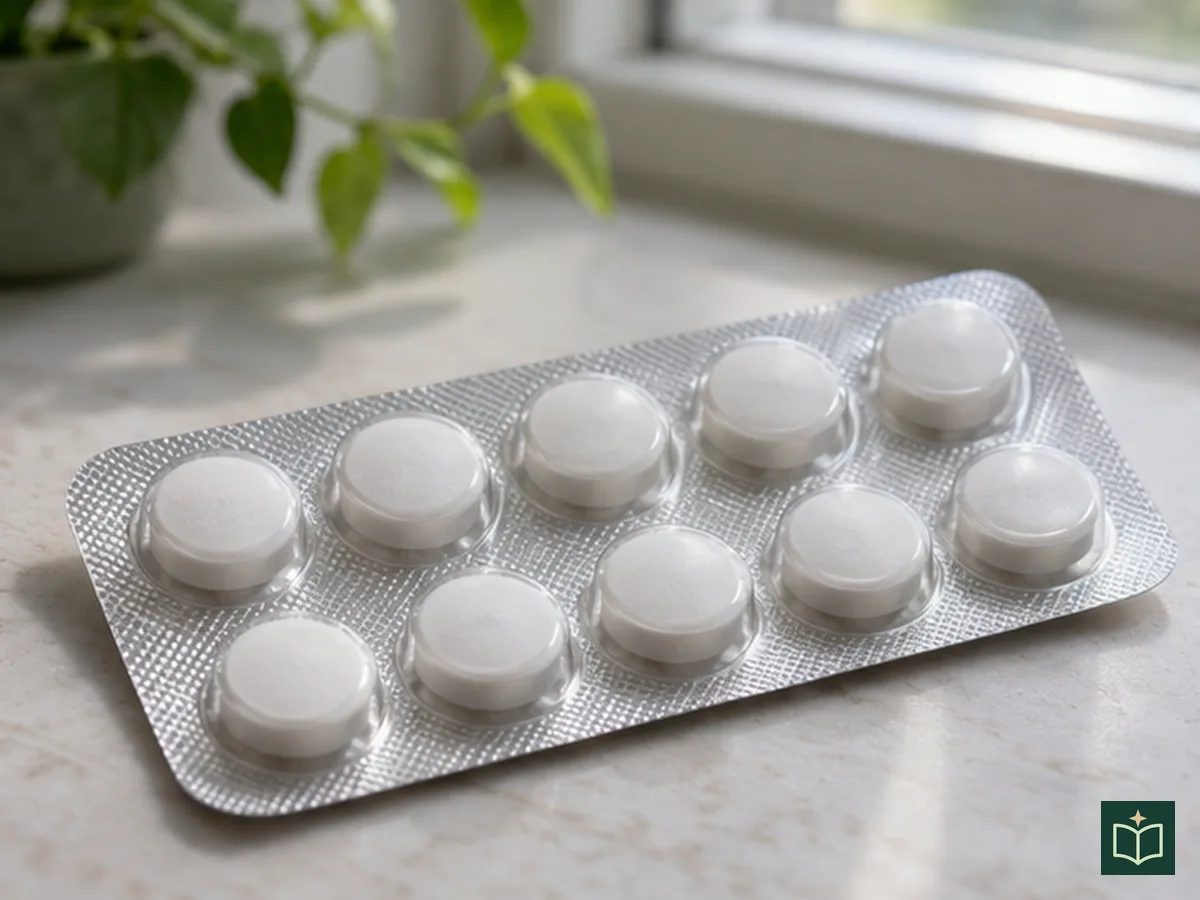
A placebo is a treatment with no active ingredient for the condition in question, such as a sugar pill or a saline injection. The placebo effect is the improvement people experience after receiving one. It is often dismissed as imagination, but careful studies show it can involve real, measurable changes in the brain and body. The effect is strongest for symptoms the brain helps to construct and regulate, such as pain, nausea, fatigue and some symptoms of anxiety. It does not cure infections, mend broken bones or shrink tumours. The word comes from Latin for 'I shall please', reflecting its old use as a comforting remedy.
The brain's own medicine
A landmark experiment in 1978 studied patients recovering from dental surgery. Those who reported relief from a placebo lost much of that relief when given naloxone, a drug that blocks opioid receptors. This suggested the placebo had prompted the brain to release its own opioid-like painkillers, endorphins. Later brain-imaging studies found that placebo pain relief changes activity in regions that process pain and in circuits that predict reward. In people with Parkinson's disease, placebo treatments have been shown to trigger the release of dopamine, the very chemical their brains lack. Expectation, in other words, mobilises systems the body already uses to regulate itself.
Context matters
Placebo responses depend heavily on context. Two pills tend to work better than one, injections often outperform pills, and a confident, caring clinician strengthens the effect. Branded packaging and higher prices can increase the response, and so can past experience: someone whose headaches have been relieved by tablets before may feel better soon after swallowing any similar tablet, a form of conditioning. Surprisingly, some studies have found placebos can help even when patients are told openly that they are taking an inactive pill, particularly for conditions such as irritable bowel syndrome. Researchers think the ritual of treatment itself, not just deception, can trigger the brain's expectations.
The nocebo effect
Expectation works in both directions. The nocebo effect occurs when negative expectations make symptoms worse or create side effects. In drug trials, a notable share of people taking the dummy pill report side effects such as headaches, nausea or tiredness, often matching the warnings they read on the consent form. Studies of statin users have found that many of the muscle aches attributed to the drugs appear just as often with placebo when patients do not know which they are taking. That does not mean the symptoms are fake; they are genuinely felt. It does show that how risks are communicated can influence what patients experience.
Why trials need placebos
Because people often improve after any treatment, researchers cannot judge a new medicine simply by whether patients get better. Many illnesses fluctuate or resolve on their own, and people tend to seek help when symptoms are at their worst, so they may improve regardless, a pattern statisticians call regression to the mean. The standard solution is the randomised, double-blind, placebo-controlled trial. Patients are assigned by chance to the real drug or an identical dummy, and neither they nor the researchers know who receives which. Only if the drug clearly outperforms the placebo can the difference be credited to the medicine. Regulators worldwide require such evidence for approval.
Limits and ethics
The placebo effect is often overstated. Some of what looks like a placebo response in trials is really natural recovery or regression to the mean, and the true size of the effect varies widely between conditions and individuals. Placebos are not a substitute for effective treatment of serious disease, and relying on them can be dangerous. There are also ethical questions: deliberately deceiving patients undermines trust, which is why open-label placebos interest researchers. The practical lesson is that the context of care, including clear explanation, reassurance and a good relationship with a clinician, can genuinely help. This is general information; decisions about treatment belong with a qualified doctor.
Sources & further reading
Figures are rounded and widely published; check the linked organisations for the latest editions. These organisations do not endorse this website.