Born in the age of steam
The London Metal Exchange traces its roots to nineteenth-century merchants who traded metals in City of London coffee houses. As imports of copper from Chile and tin from Malaya grew, traders faced a problem: cargoes took around three months to arrive, and prices could move sharply during the voyage. Agreeing prices for delivery when the ship docked allowed both buyers and sellers to manage that risk. The exchange was formally established in 1877. Its three-month contract, still a benchmark today, reflects that original shipping time. Over the following century, the exchange added other metals, and it is now owned by Hong Kong Exchanges and Clearing, which acquired it in 2012.
What the LME trades
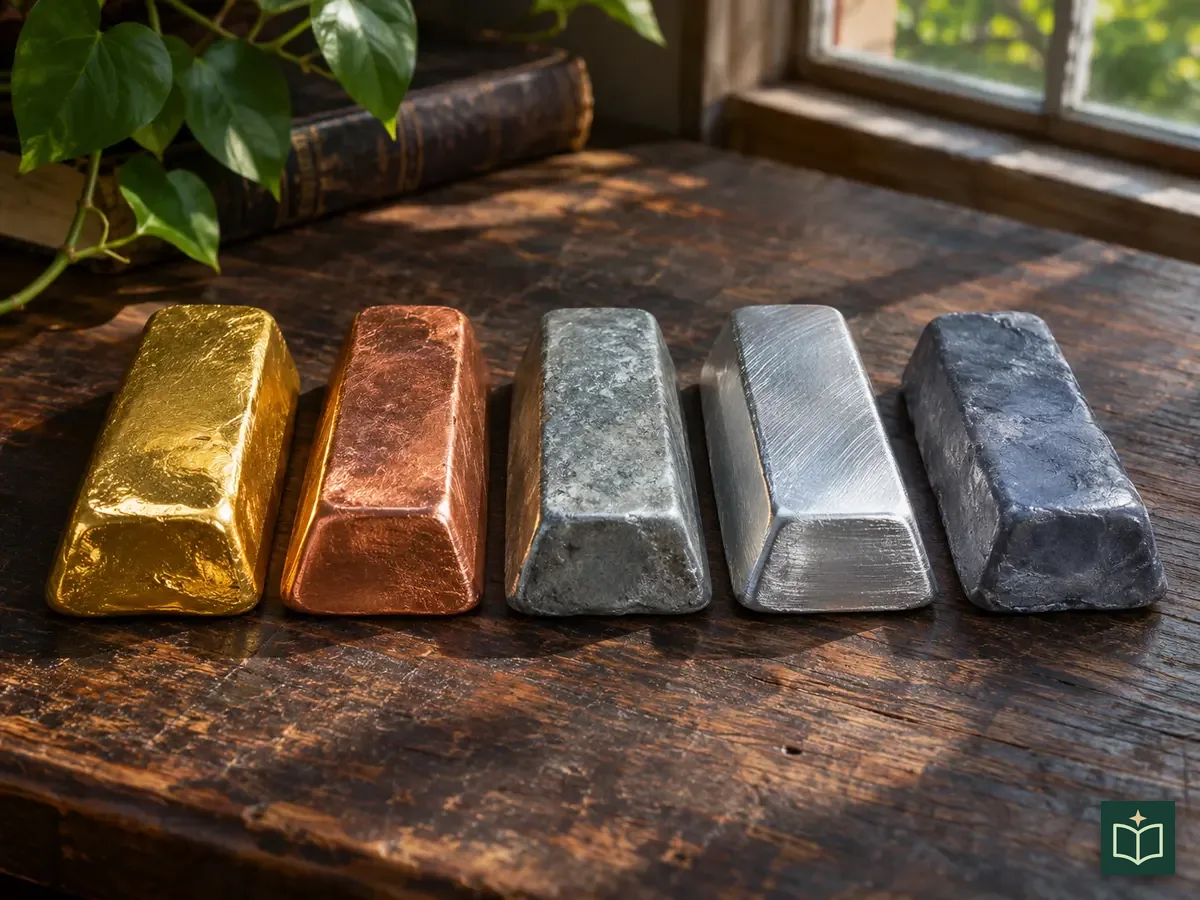
The exchange focuses on industrial, or base, metals. Its core contracts cover aluminium, copper, zinc, nickel, lead and tin, along with aluminium alloys and, at various times, cobalt, steel products and other materials. Each contract specifies a lot size, such as 25 tonnes for copper, and strict quality standards, including the approved brands of metal that can be delivered. Producers, consumers, merchants and financial participants use the exchange to hedge price risk and discover prices. Many physical supply contracts around the world are priced as a premium or discount to LME reference prices, which is why the exchange matters to mines and factories far from London.
The ring and the prompt dates
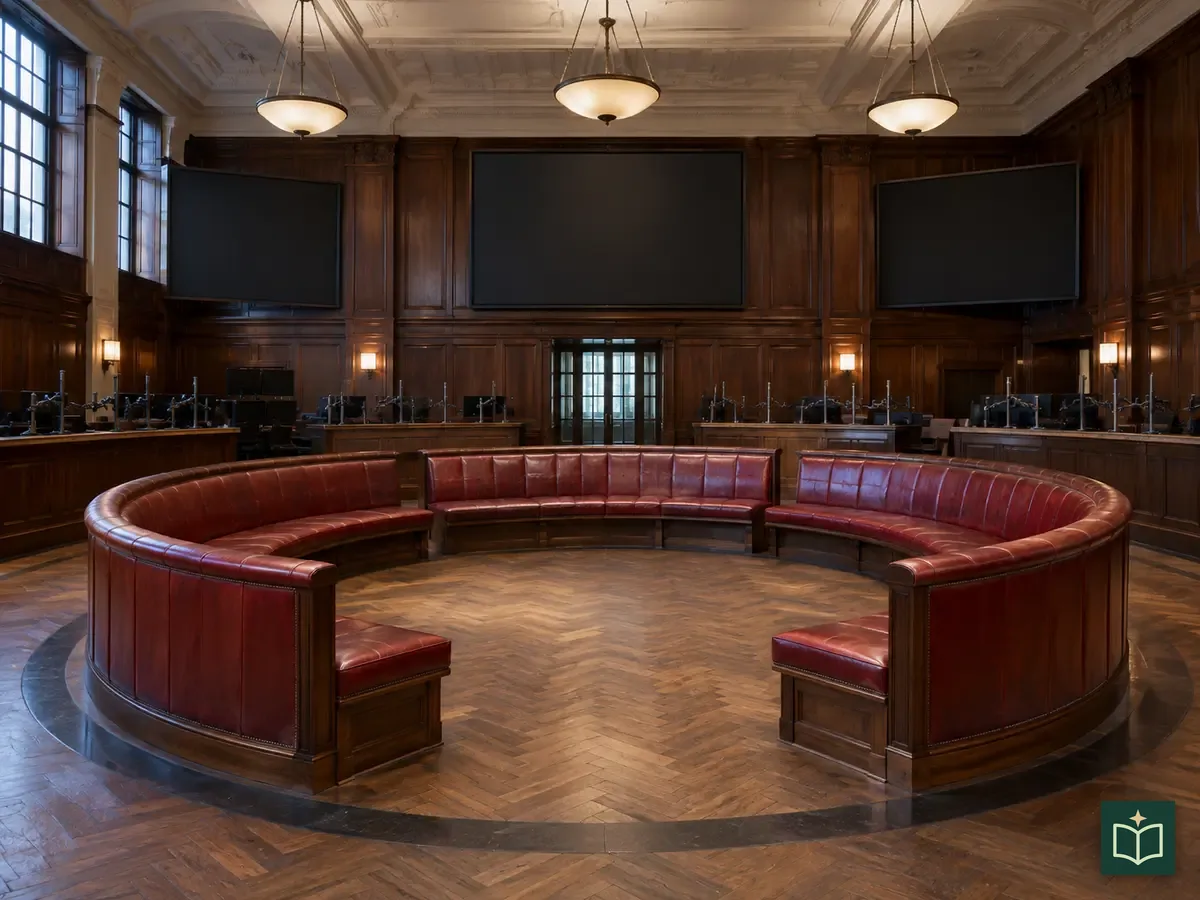
The LME is known for the Ring, a circle of red seats where traders shout and signal bids and offers in short, intense sessions, one of the last open-outcry floors of its kind in Europe. Official prices are set from trading during certain sessions, and electronic and telephone trading run alongside. Another distinctive feature is the prompt date structure. Rather than offering only monthly expiries, the LME allows contracts for every business day out to three months ahead, then weekly and monthly dates further out. This mirrors the needs of physical trade, where a buyer might need metal on a specific day, and it allows hedges to be matched closely.
Warehouses and warrants
Behind the contracts sits a network of LME-approved warehouses in many countries across Europe, Asia and North America. Metal delivered against a contract must sit in one of these warehouses and is represented by a warrant, a document of title that can change hands electronically. A holder can take delivery or sell the warrant on. Published warehouse stock levels are closely watched as a signal of how much metal is readily available. Because delivery is possible, prices on the exchange stay linked to physical supply and demand. Over the years, the exchange has adjusted warehouse rules to address long queues for metal withdrawals and other practical issues.
The nickel episode
The LME’s role has not been without controversy. In March 2022, amid market turmoil linked to the war in Ukraine and large short positions, the nickel price more than doubled within a very short time. The exchange suspended nickel trading and cancelled trades executed on the morning of the sharpest move, saying that it acted to protect market stability. Some participants objected strongly, and legal challenges followed; the High Court in London later ruled in the exchange’s favour. The episode prompted reviews by the exchange and regulators, and new measures such as daily price limits. It remains a widely studied case in how commodity markets handle extreme stress.
Why the LME matters
For most people, the LME is invisible, yet its prices flow through the cost of cables, cans, cars and buildings. Mining companies and governments use LME prices to value output and calculate royalties, and manufacturers use them to set supply contracts. The exchange also competes and interacts with other venues, including the Shanghai Futures Exchange and CME Group’s COMEX, so traders compare prices across markets. Understanding how the exchange works helps readers interpret headlines about metal prices and stocks. This explainer is educational and does not offer investment advice; exchange-traded contracts involve leverage and risk and are not suitable for everyone.
Sources & further reading
Figures are rounded and widely published; check the linked organisations for the latest editions. These organisations do not endorse this website.