Most elements are metals
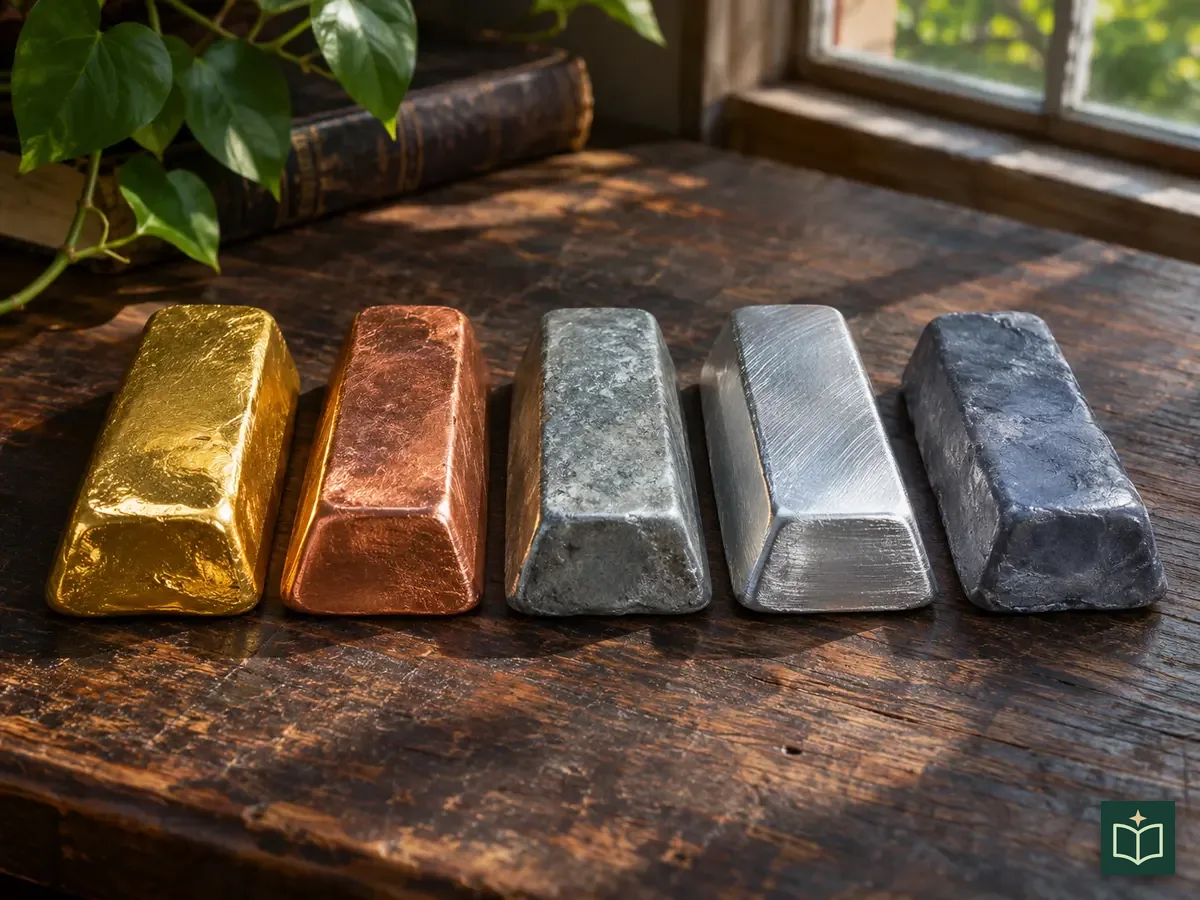
Of the 118 known chemical elements, more than 90 are classed as metals. They tend to conduct electricity and heat, reflect light and can be shaped without shattering. Chemists group them by their position in the periodic table: alkali metals, transition metals, lanthanides and so on. Industry and markets, however, use a different set of labels, based on how metals are found, produced, used and traded. These everyday categories, such as precious, base and minor metals, are not strict scientific definitions, and they overlap in places. Understanding them helps make sense of mining reports, market news and policy debates, which often use the terms without explaining them.
Precious metals
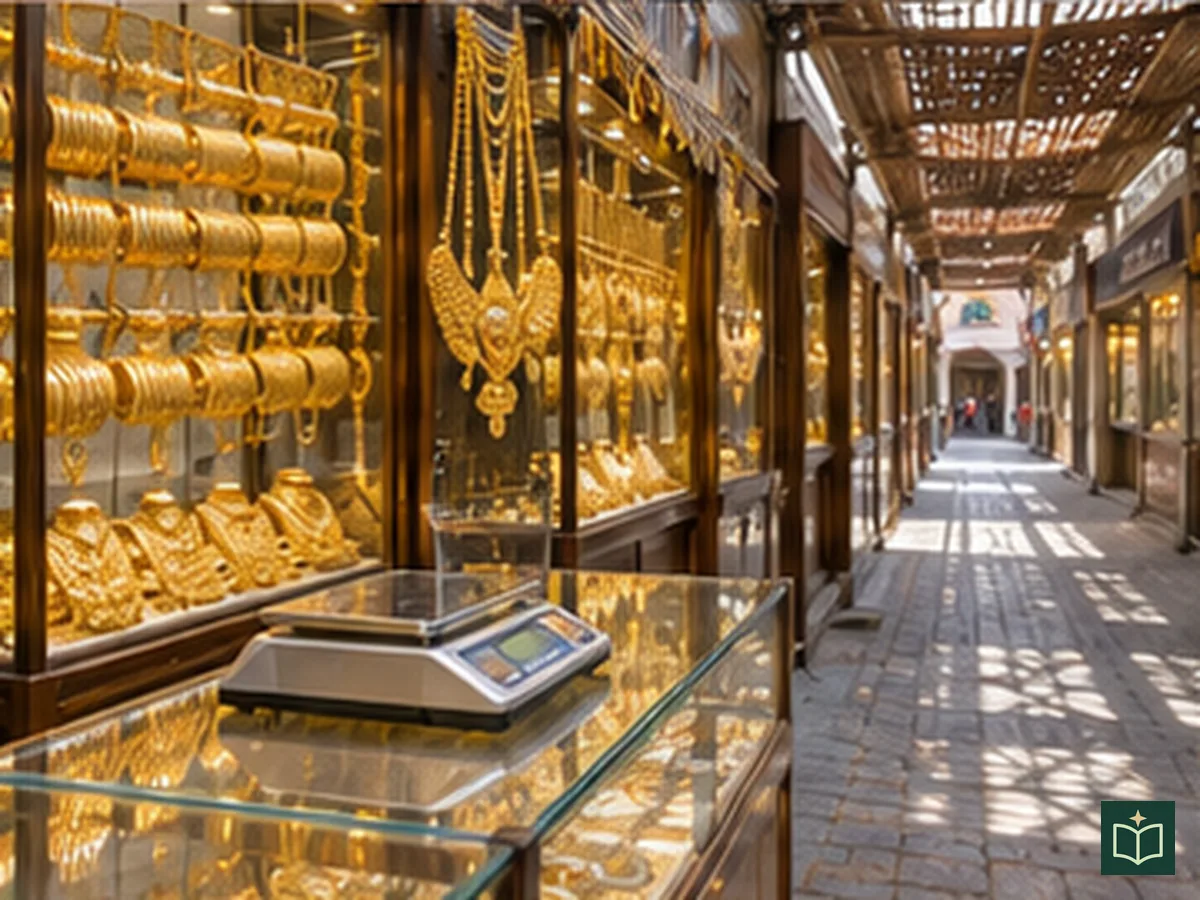
Precious metals are rare, naturally resistant to corrosion and historically valued as stores of wealth. The group usually includes gold and silver, along with the platinum-group metals: platinum, palladium, rhodium, ruthenium, iridium and osmium. Their resistance to tarnish made them suitable for coins and jewellery, while their rarity kept their value high per gram. Today they also have important industrial uses, from electronics to catalytic converters. They are produced in relatively small quantities: annual gold mine output is a few thousand tonnes. Precious metals are typically priced per troy ounce, about 31.1 grams, a unit inherited from centuries of trading, and many are held in vaults as investments.
Base and ferrous metals
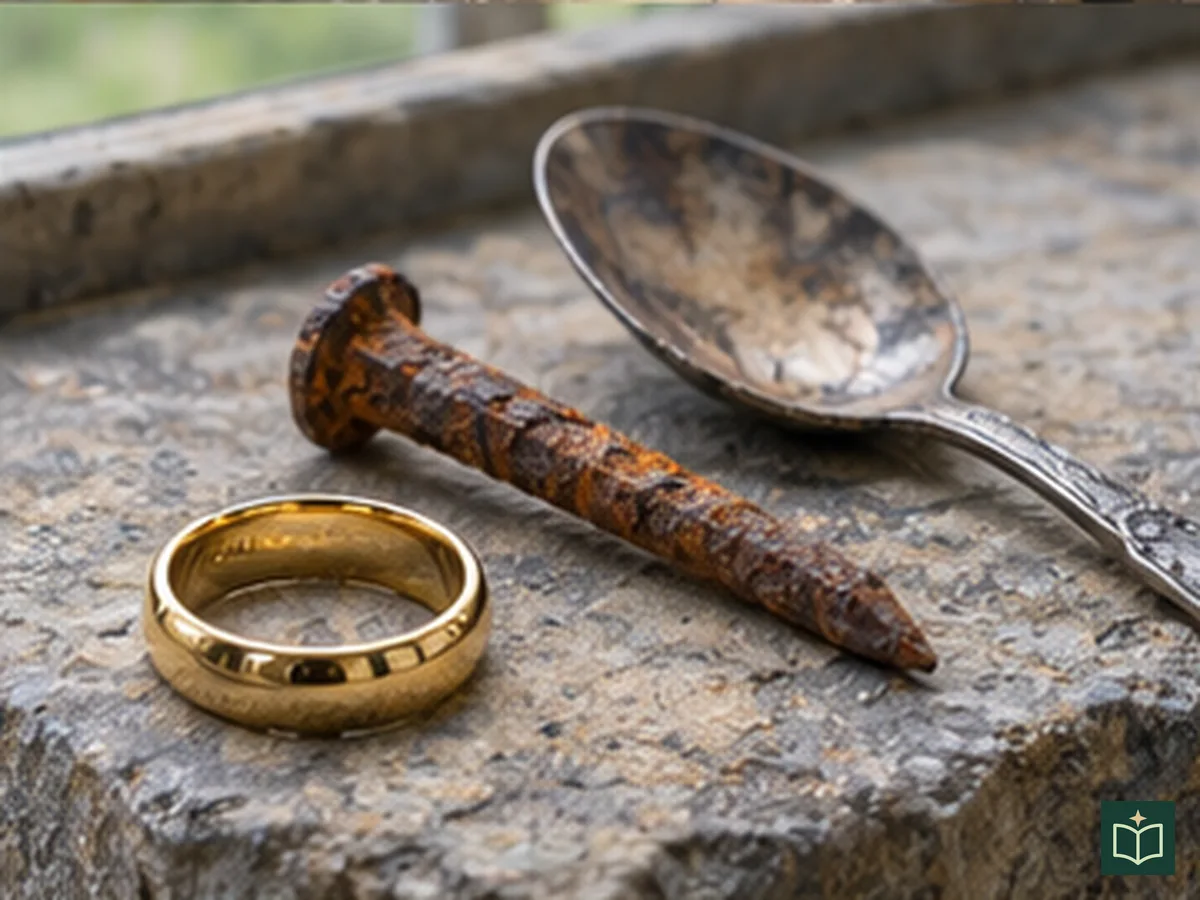
Base metals are common metals that oxidise or corrode relatively easily. In markets, the term usually refers to the main non-ferrous industrial metals: copper, aluminium, zinc, nickel, lead and tin. They are produced in millions or tens of millions of tonnes a year, priced per tonne and traded on exchanges such as the London Metal Exchange. Ferrous metals form a separate category, built around iron and steel, which dwarf all others in tonnage at close to two billion tonnes of steel annually. Non-ferrous simply means not based on iron, so the precious metals are technically non-ferrous too, though in practice the term usually describes the base metals.
Minor and speciality metals
Minor metals, sometimes called speciality or technology metals, are produced in much smaller volumes, often hundreds or thousands of tonnes a year. Examples include cobalt, gallium, germanium, indium, tungsten, molybdenum, tantalum, antimony and bismuth. Many are by-products, recovered while processing larger metals such as copper, zinc or aluminium. Their markets are often less transparent: prices may be set through private contracts or reported by specialist price agencies rather than determined on a large exchange. Because volumes are small, a single new mine or a policy change in a major producing country can move prices sharply. Many of these elements appear on governments’ critical mineral lists.
Confusing terms
Some labels cause confusion. Rare earth elements are a specific group of 17 elements, and despite the name, several are more common in the crust than lead. Light metals, such as aluminium, magnesium and titanium, are defined by low density. Heavy metals is a term often used loosely in health and environmental contexts for toxic elements such as lead, mercury and cadmium, but scientists criticise it as imprecise, since it mixes density with toxicity and includes the metalloid arsenic. Noble metals overlap with precious metals but refer specifically to resistance to chemical attack. When reading news, it helps to check which definition a writer is using.
Why the categories matter
These groupings shape how metals are produced, priced and regulated. A copper mine sells into a deep, transparent market; a gallium producer may negotiate with a handful of buyers. Banks and investors treat precious metals differently from industrial metals, and governments design different policies for bulk commodities and critical speciality metals. The categories also help explain differences in price volatility, storage and recycling practices. They remain imperfect, and some metals move between groups as technologies change. This explainer is educational and offers no investment advice. Its aim is a mental map that makes every other metal story on this site easier to place.
Sources & further reading
Figures are rounded and widely published; check the linked organisations for the latest editions. These organisations do not endorse this website.