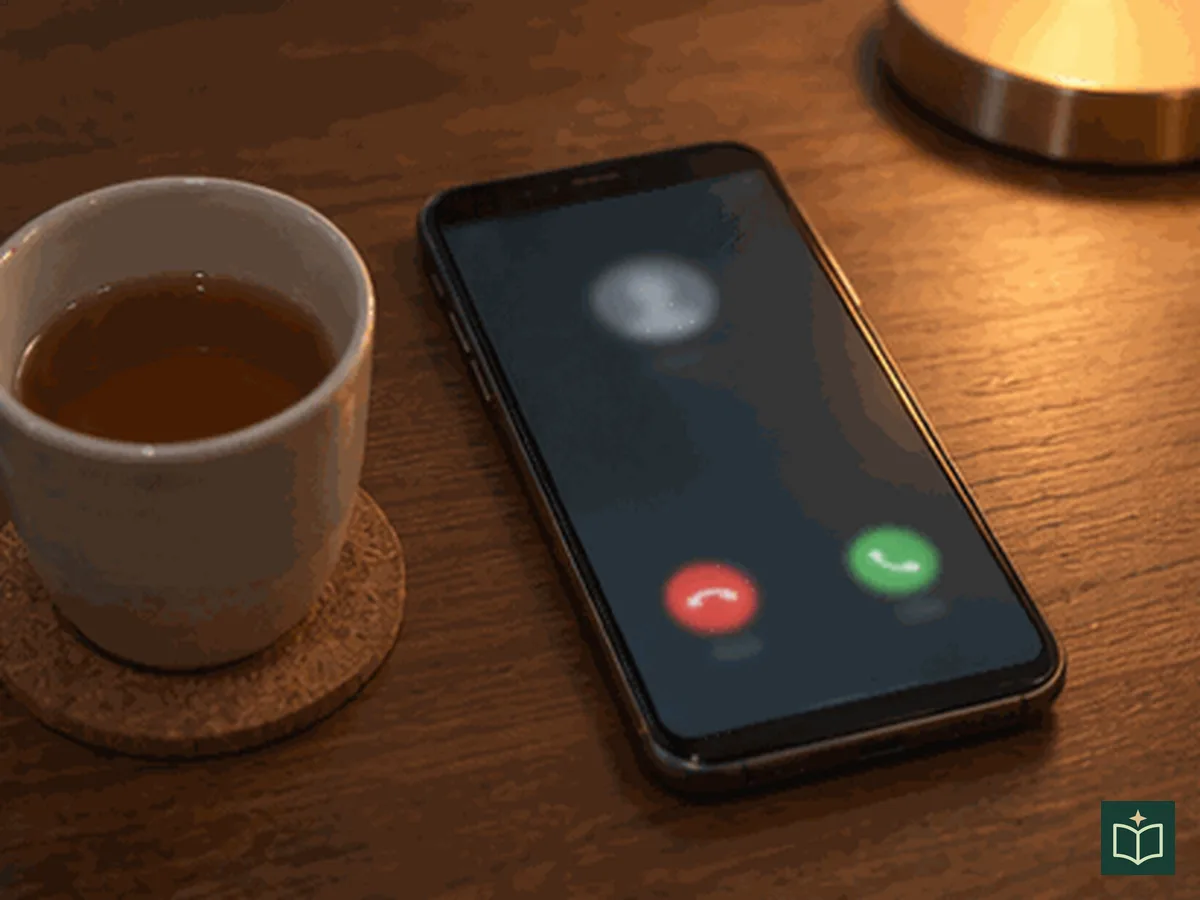
Why caller ID can lie
When telephone networks were run by a handful of national operators, the number shown on a phone was set by the exchange where the call began and was fairly trustworthy. Internet calling changed that. Voice over IP systems let businesses send calls from software, and the caller ID is often just a field the sender fills in. Many legitimate firms use this to show a single customer-service number from many outgoing lines. Scammers use it to display a number that looks local, belongs to a bank or government office, or is completely random. The calls then pass between carriers and across borders, and each network has traditionally passed the number along without checking it.
How autodiallers work
Mass calling relies on software called autodiallers. A predictive dialler places many calls at once, listens for whether a person, a voicemail or nothing answers, and passes only live connections to a waiting agent or a recorded message. Suppose a system makes 1,000 calls an hour and one in ten is answered by a person. That gives 100 conversations an hour, with very little time wasted by the caller. The short silence many people hear before a voice speaks is often this system finding a free agent. Robocalls skip the agent and play a recording, sometimes asking the listener to press a key, which confirms the number is active.
Common tricks
Scammers use several patterns. Neighbour spoofing displays a number with the same area code and first digits as the recipient's own, so it looks like a local business or acquaintance. Impersonation calls claim to be from a bank, delivery firm, police force or telecoms regulator, and create urgency to extract card details or one-time passcodes. One-ring scams, sometimes called wangiri, ring once from an international premium-rate number in the hope that the recipient calls back and pays high charges. Increasingly, recorded voices use generated speech that sounds natural. The common thread is pressure: the caller wants an immediate action before the person has time to check through official channels.
Signing the call
To restore trust in caller ID, the United States and Canada adopted a framework known as STIR/SHAKEN. The originating carrier digitally signs each call with a certificate, stating whether it knows the customer and confirms their right to use the displayed number. The receiving carrier checks the signature and can show a verified mark or treat unsigned calls with suspicion. US regulators required major carriers to implement it in 2021. The system works best when every network in the chain supports it, which is harder for international calls passing through older equipment. Other countries are developing their own approaches, including blocking international calls that falsely display domestic numbers.
Filters on networks and phones
Operators also analyse traffic patterns. A single source making thousands of very short calls, many unanswered, looks very different from normal use, and can be blocked or labelled. Calls from numbers that cannot exist, or that are known to be unallocated, can be dropped automatically. Phone makers and apps add their own filters, comparing incoming numbers with databases of reported spam and offering to silence unknown callers. Regulators set rules too: the UAE introduced rules in 2024 limiting telemarketing calls to daytime hours and to registered numbers, with penalties for breaches. Each layer catches some calls, but determined scammers keep changing numbers and routes.
What actually protects you
Technology reduces the volume, but personal habits matter most. Banks and government bodies do not ask for full card details, passwords or one-time codes over an unexpected call. If a caller claims to represent an organisation, it is safer to hang up and call back using a number from its official website or the back of a card. Unknown international numbers that ring once are best left unanswered. Reporting spam numbers to the operator or regulator helps improve filters for everyone. The underlying lesson is simple: the number on the screen is a claim made by the caller, and like any claim from a stranger, it deserves to be checked.
Sources & further reading
- US Federal Communications Commission · Caller ID spoofing ↗
- Telecommunications and Digital Government Regulatory Authority, UAE ↗
Figures are rounded and widely published; check the linked organisations for the latest editions. These organisations do not endorse this website.