Why grids need storage
Electricity supply and demand must balance at every moment. Solar peaks at midday while demand often peaks in the evening; wind rises and falls with the weather. Batteries absorb surplus energy and release it later, smoothing the mismatch and reducing the need for fossil-fuel plants that run only at peak times.
Inside a battery plant
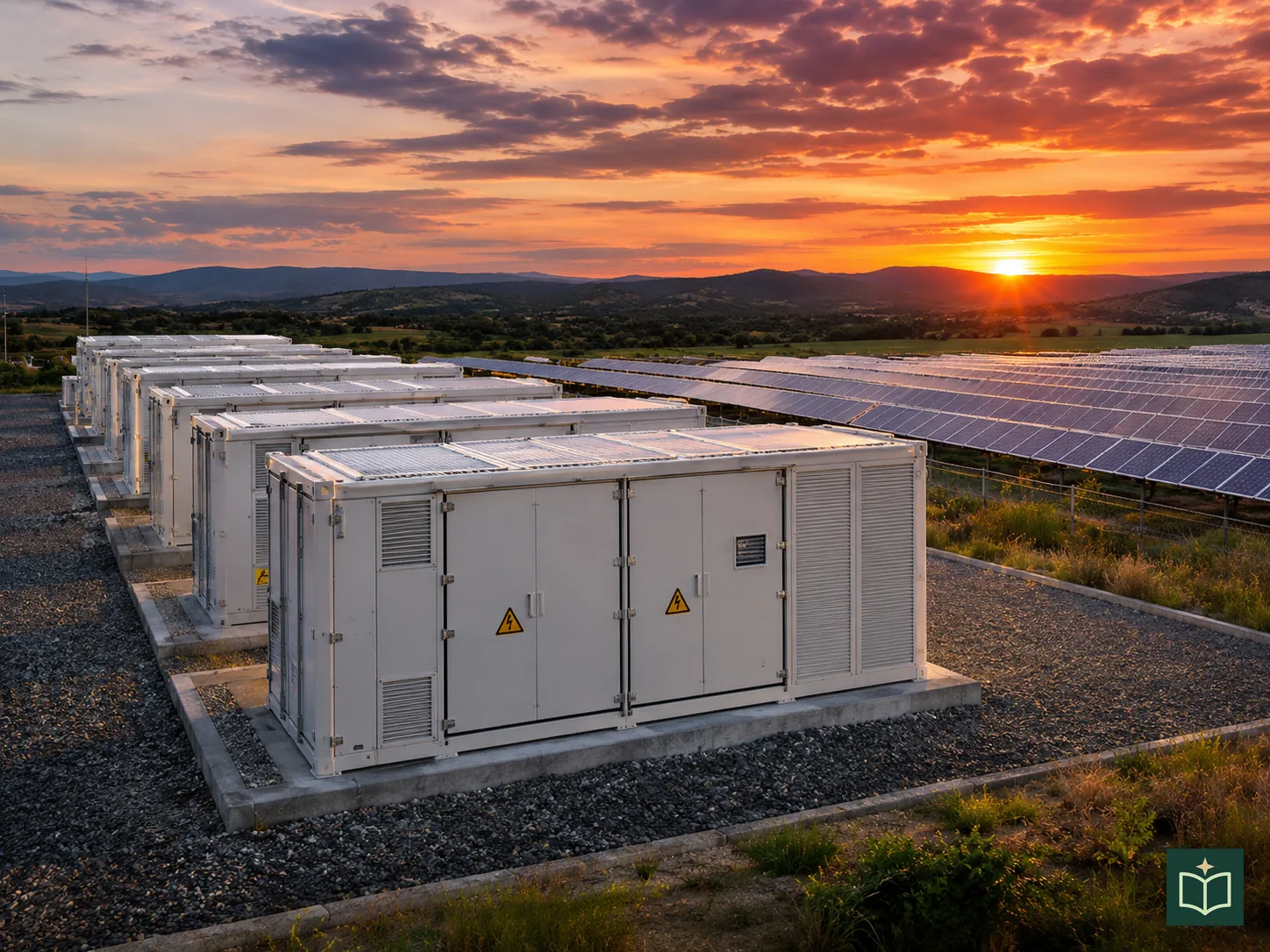
Most new grid batteries use lithium-ion cells, often lithium iron phosphate chemistry for its safety and long cycle life. Cells are packed into modules and racks inside shipping-container-sized enclosures, with cooling and fire-protection systems. Power converters link them to the grid. Projects are rated by power (megawatts) and energy (megawatt-hours).
Fast and flexible
Batteries can respond within milliseconds, helping keep grid frequency stable when a large power plant trips. They also reduce congestion on transmission lines and can help restart a grid after a blackout. The UAE is pairing very large solar plants with battery storage to supply power around the clock.
Beyond lithium
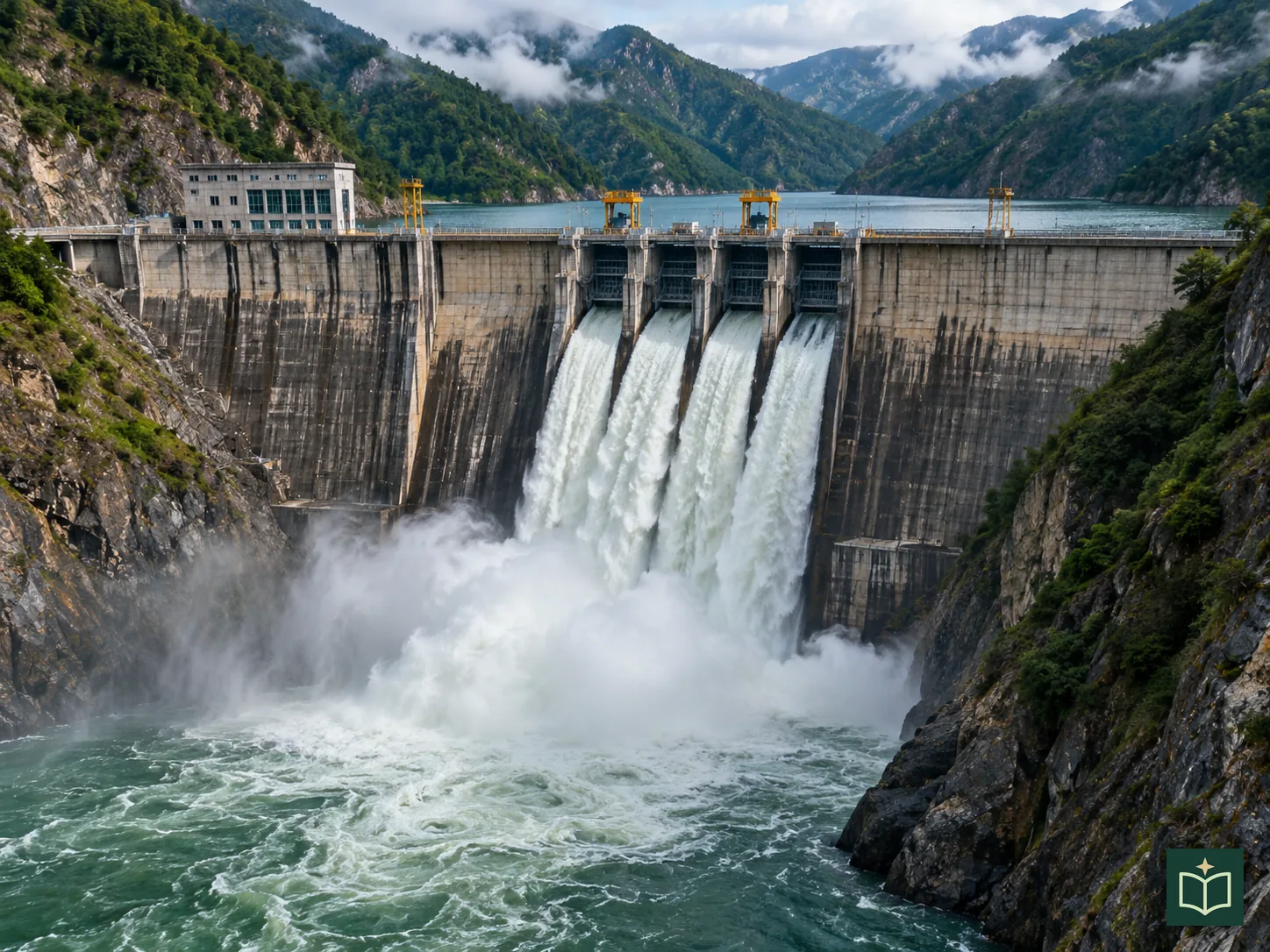
Pumped hydro storage, which pumps water uphill and releases it through turbines, still provides most of the world’s installed storage capacity. Other options under development include flow batteries, sodium-ion cells, compressed air and thermal storage. Battery costs have fallen sharply, which is driving rapid growth in installations worldwide.
Sources & further reading
Figures are rounded and widely published; check the linked organisations for the latest editions. These organisations do not endorse this website.