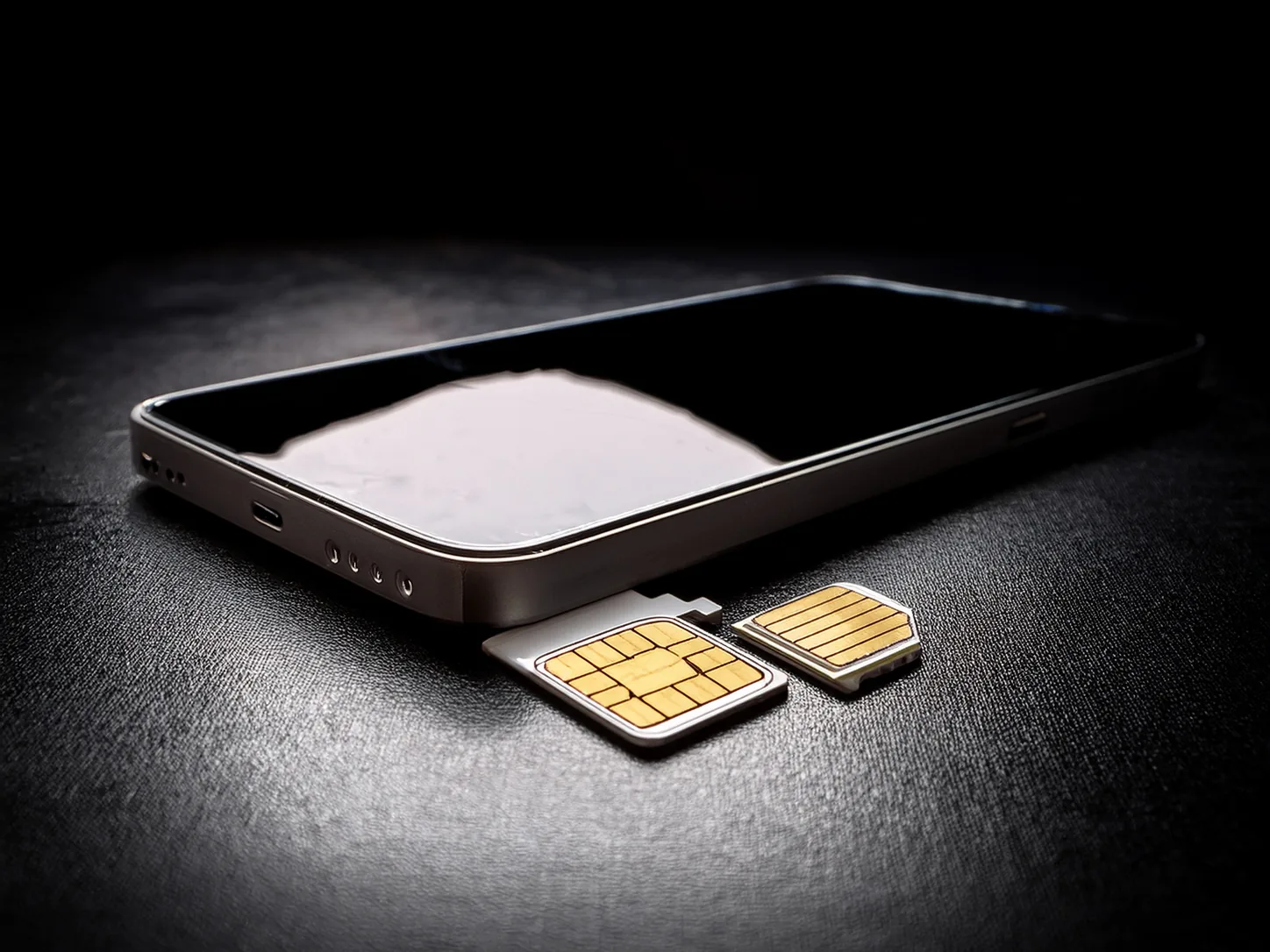
The number, not the phone
A SIM card, or its digital form the eSIM, links your phone to your mobile account and your number. Operators routinely move numbers to new SIMs when a phone is lost, broken or upgraded, and that ordinary service is what SIM swap fraud exploits. The criminal never touches your handset. Instead, they convince your operator to transfer your number to a SIM in their possession. Your phone suddenly loses signal, while theirs begins receiving your calls and text messages. Because many banks, email services and social networks send one-time passcodes by text, controlling the number can unlock a great deal more than phone calls.
How the deception works
The attack usually begins with research. Fraudsters gather a victim's full name, number, date of birth, address or account details from data breaches, social media, phishing messages or fake delivery texts. They then contact the operator, by phone, online chat or in a shop, posing as the customer with a plausible story about a lost phone. Some use forged identity documents. In other cases, criminals have bribed or recruited employees inside operators or their retailers to perform swaps directly. Once the swap is done, the attacker requests password resets on email and banking accounts. Each reset sends a code by text, and each code now lands on the criminal's phone.
From one number to many accounts
Speed matters to the fraudster, because a victim may notice the loss of signal within minutes. The usual target is email first, since an email account can reset passwords for almost everything else. From there, attackers move to banks, payment apps and cryptocurrency exchanges, where transfers are hard to reverse. High-profile cases have included the 2019 takeover of the social media account of Twitter's own chief executive. In the United States, the FBI's Internet Crime Complaint Center recorded about 1,600 SIM swap complaints in 2021, with reported losses of more than 68 million dollars. Regulators in many countries have since required operators to tighten identity checks.
Warning signs
The clearest sign is a phone that suddenly shows no service or emergency calls only while others nearby have signal. Other clues include unexpected messages from your operator about a SIM change or eSIM activation, notifications of password resets you did not request, and being logged out of email or banking apps. If this happens, act quickly. Contact your operator from another phone or visit a branch, explain that you suspect fraud and ask them to restore your number. Then call your bank on its official number, change your email password from a trusted device and check recent account activity. Reporting it to the police also helps investigations.
Strengthening your defences
Several steps make a SIM swap much harder or less damaging. Ask your mobile operator whether it offers an account PIN, password or port-out lock, so that any SIM change needs extra verification. Where possible, switch important accounts from text-message codes to an authenticator app, a hardware security key or passkeys, none of which depend on your phone number. Keep personal details such as your date of birth and phone number off public profiles. Be wary of unexpected calls or messages asking for verification codes; a genuine operator or bank will not ask you to read one out. And use a separate, rarely shared email address for financial accounts.
Why text codes still exist
Security specialists have warned for years that text-message codes are a weak form of two-step verification, yet they remain common. They work on any phone, need no extra app and are easy for customers to understand, so they still block most casual attacks. They are certainly better than a password alone. The problem is that the phone network was never designed as a secure identity system, and it relies on human staff who can be deceived. Many banks, including several in the Gulf, now prefer in-app approvals or device-bound authentication for high-value actions. As passkeys spread, the phone number should matter less, but for now it deserves guarding like a key.
Sources & further reading
- FBI Internet Crime Complaint Center · SIM swapping public service announcement ↗
- UK National Cyber Security Centre · Setting up two-step verification ↗
Figures are rounded and widely published; check the linked organisations for the latest editions. These organisations do not endorse this website.