More than a 3D drawing
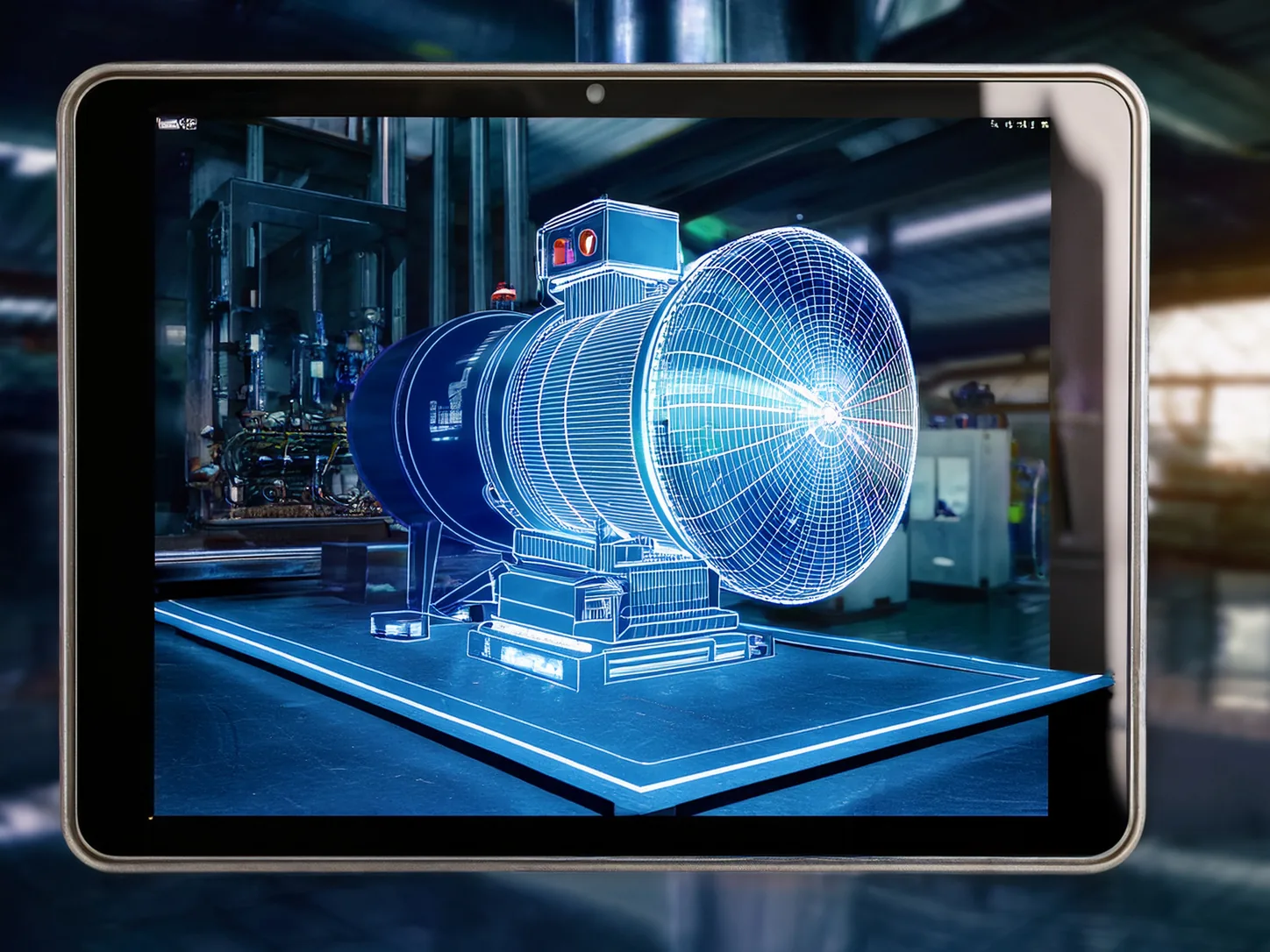
Engineers have used computer models for decades to design bridges, engines and factories. A digital twin goes further. It is a virtual model linked to one specific real object, such as a particular jet engine, pump, building or power grid, and updated continuously with data from sensors on that object. The twin therefore knows not just how the design should behave in theory, but how this individual machine is behaving now, with its own wear, repairs and working conditions. The concept is usually traced to a 2002 presentation by Michael Grieves at the University of Michigan, and NASA used the term in a technology roadmap in 2010.
How a twin is built
Every twin has three parts: the physical object, its virtual model and the data connection between them. Sensors measure quantities such as temperature, vibration, pressure, strain, speed or energy use, and send them over a network. Software merges those readings with physics-based models, which describe how materials and fluids behave, and increasingly with machine-learning models trained on past behaviour. The amount of data can be large. One sensor reporting once a second produces 86,400 readings a day; a pump fitted with 50 such sensors generates over four million. A twin's value lies in turning that stream into a clear picture of the object's current state.
Predicting faults before they happen
The most established use is predictive maintenance. Aircraft engine makers monitor engines in service and compare each one with its digital model. A gradual change in vibration or temperature can signal wear long before a part fails, so maintenance can be scheduled at a convenient time instead of after a breakdown. Factories, wind farms and power stations use the same idea. In buildings, a twin can combine an architectural model with readings from air-conditioning, lifts and lighting, helping managers spot wasted energy. That matters especially in hot climates such as the Gulf, where cooling is often the largest share of a building's electricity use.
Testing changes safely
A twin also allows experiments without risk. Engineers can ask what would happen if a production line ran faster, a turbine operated at higher temperature or a road junction were redesigned, and see the predicted result before changing anything in reality. Cities have built twins of entire districts. Singapore's national 3D model, developed from 2014, combines buildings, terrain and infrastructure so planners can study sunlight, wind flow and crowd movement. Ports, airports and metro systems use twins to rehearse disruptions and plan maintenance. The appeal is the same everywhere: it is cheaper and safer to discover a problem on a screen than on a construction site.
Not every model is a twin
The term is popular, and it is sometimes applied loosely to any 3D visualisation or simulation. A useful test is whether the model receives real data from its physical counterpart and whether it informs decisions. A static design model, however detailed, is not a true twin. A twin is also only as good as its data and assumptions. Faulty sensors, gaps in data or a model that misses some important behaviour can produce confident but wrong predictions. Connecting critical infrastructure to networks also creates cybersecurity risks, so access to the twin and its data needs careful protection. Building and maintaining a twin requires sustained effort, not a one-off purchase.
Where it is heading
Digital twins are spreading as sensors become cheaper, networks faster and computing power more affordable. Manufacturers increasingly hand a twin over with the product itself, so the owner receives the virtual copy along with the machine. In healthcare, researchers are exploring twins of individual organs, such as hearts, to test treatments on a model before trying them on a patient, though this remains largely experimental. Larger projects aim to link twins of buildings, transport and utilities into city-wide systems. The underlying idea stays simple. By keeping a faithful, living copy of something important, engineers can watch it closely, foresee trouble and choose changes with far less guesswork.
Sources & further reading
- NASA Technical Reports Server · Modeling, simulation, information technology and processing roadmap (2010) ↗
- National Research Foundation Singapore · Virtual Singapore ↗
Figures are rounded and widely published; check the linked organisations for the latest editions. These organisations do not endorse this website.