Machines too small to see
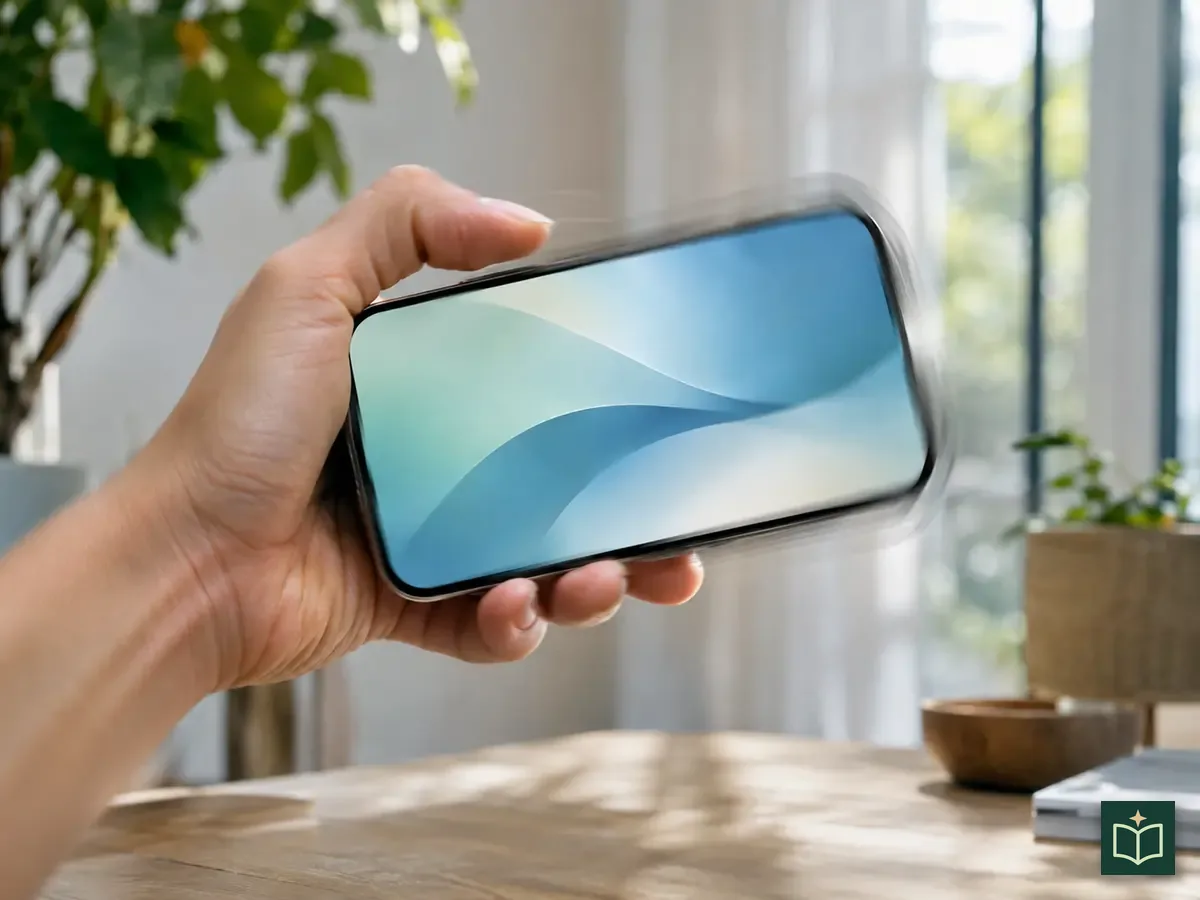
Rotate a phone and the screen turns with it; walk and it counts your steps; open a map and the arrow points where you are facing. These tricks rely on micro-electromechanical systems, or MEMS: mechanical structures, such as tiny springs, plates and combs, carved into silicon using the same techniques that make computer chips. Their moving parts are measured in micrometres. Because they are made in bulk on silicon wafers, they are cheap, small and reliable enough to fit several into every phone, smartwatch and games controller. Similar sensors trigger car airbags and stabilise drones, and their low cost transformed what portable devices could do.
The accelerometer
An accelerometer contains a microscopic mass held by flexible silicon springs. When the device accelerates, the mass lags slightly behind, like a passenger pressed into a seat, and the gap between it and fixed plates changes. That alters the electrical capacitance between them, which circuits measure precisely. Three sensors at right angles cover up, down, left, right, forwards and back. Crucially, an accelerometer also feels gravity. A phone lying still measures about 9.81 metres per second squared pointing upwards, the support from the table resisting gravity, so it knows which way is down. That is how the screen decides whether you are holding it upright or sideways.
The gyroscope
Tilt can be measured by gravity, but rotation around a vertical axis cannot, which is where the gyroscope comes in. Phone gyroscopes contain no spinning wheels. Instead, a tiny structure vibrates back and forth continuously. When the phone rotates, the Coriolis effect, the same apparent force that makes large weather systems swirl, pushes the vibrating mass slightly sideways, and the sensor measures that deflection to determine how fast the device is turning. Gyroscopes respond quickly and smoothly, which is essential for steady video, augmented-reality apps that place virtual objects in a real room, and games steered by tilting the phone.
Compass, pressure and fusion
A magnetometer measures Earth's magnetic field to give a compass heading, though nearby metal, magnets and electronics easily disturb it, which is why apps sometimes ask you to wave the phone in a figure of eight to recalibrate. A barometer measures air pressure, which falls with height, helping estimate which floor of a building you are on, useful in tall towers such as those in Dubai. Each sensor has weaknesses: accelerometers are noisy, gyroscopes drift over time and magnetometers are easily confused. Sensor-fusion software combines them, using each one's strengths to correct the others and produce a stable estimate of orientation.
Counting steps and more
Step counters look for the rhythmic pattern of acceleration that walking produces, filtering out other movements, so a phone in a pocket or bag can count reasonably well, though jogging on a treadmill, pushing a pram or riding in a bumpy vehicle can confuse it. Fall detection on watches searches for a sudden impact followed by stillness. Motion sensors also help navigation in places where satellite signals are weak, such as tunnels or shopping malls, by estimating movement since the last known position, a technique called dead reckoning. Errors accumulate with time, so the estimate is regularly corrected whenever satellite positioning becomes available again.
Limits and privacy
Motion sensors are precise but not perfect. Fitness figures are estimates, useful for trends rather than exact counts, and health decisions should rest on professional advice rather than a step tally. Sensors can also reveal more than expected: researchers have shown that motion data can sometimes hint at what a person is typing or where they are going, which is why phone platforms increasingly restrict how often apps may read them in the background. Checking app permissions for motion and fitness data is worthwhile. Still, these tiny machines are a quiet triumph of engineering, turning the physics of springs and gravity into everyday conveniences.
Sources & further reading
Figures are rounded and widely published; check the linked organisations for the latest editions. These organisations do not endorse this website.