Why registers matter
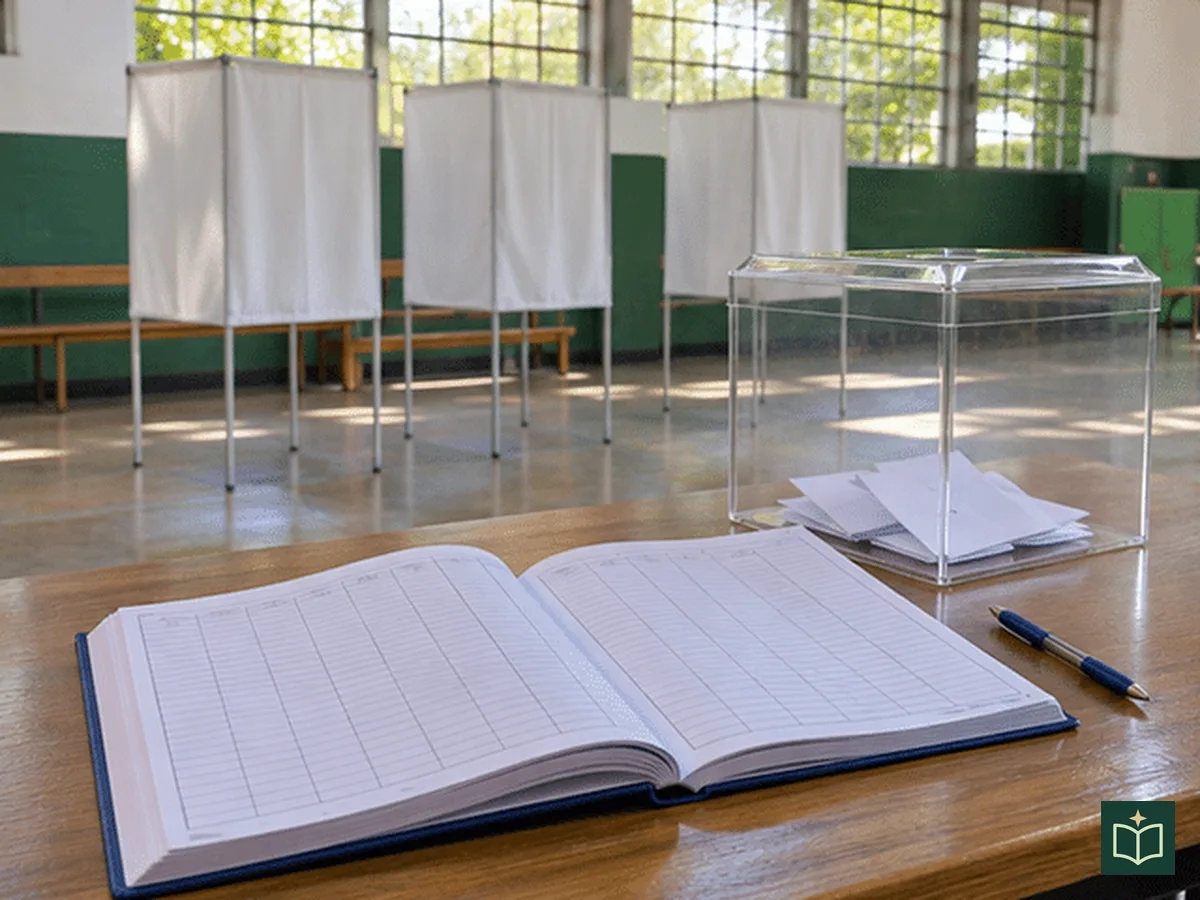
Every election needs a reliable answer to a basic question: who is entitled to vote? A voter register, or electoral roll, lists eligible people and usually assigns each to a polling place. It prevents people voting more than once or in the wrong area, lets authorities plan ballot papers and staff, and gives parties and observers a way to check the process. A register that leaves out eligible voters can deny them a say, while one that contains people who have died or moved can create opportunities for fraud or confusion. How a country builds and maintains its register therefore shapes both participation and trust in results.
Automatic registration
In many countries, especially across continental Europe, registration is automatic. Authorities draw the electoral roll directly from population registers that record every resident's address, birth date and citizenship. Sweden, Germany and the Netherlands work this way. When a citizen reaches voting age or moves house, the register updates without any action on their part, and voting cards are sent out before an election. Such systems usually achieve near-complete coverage. They depend, however, on a comprehensive and trusted civil registration system, and on public acceptance of the state holding detailed address records, which is not the case everywhere. Some countries use national identity databases in a similar way.
Opt-in registration
Elsewhere, citizens must take the initiative. In most US states, eligible people register themselves, by post, online, in person or when dealing with other government agencies, a link encouraged by a 1993 federal law known as the motor voter act. The United Kingdom has used individual electoral registration since the mid-2010s, and residents can apply online. Opt-in systems give individuals control, but coverage is often lower, particularly among young people, renters and those who move frequently. To close gaps, many US states have adopted automatic voter registration, in which eligible people are registered when they interact with agencies such as motor vehicle departments, unless they decline.
Compulsory enrolment and large rolls
Australia combines elements of both approaches. Enrolment and voting are both compulsory, and the Australian Electoral Commission can enrol or update people directly using data from other government agencies. As a result, enrolment covers the overwhelming majority of eligible citizens. India runs the world's largest register: about 970 million people were registered for its 2024 general election, according to the Election Commission of India. Its registers are revised each year, with special drives to enrol young voters and verify addresses. In the UAE, Federal National Council elections use electoral colleges whose members are named for each emirate, rather than a general register of all citizens.
Keeping the list accurate
A register starts to go out of date the moment it is compiled. People die, move, change their names or reach voting age. Authorities use death records, change-of-address notices, door-to-door canvasses and data shared between agencies to keep lists current. Some US states share data through interstate arrangements to identify people registered in more than one place. Removing names must be done carefully. Purging too aggressively can strip eligible voters from the roll, while purging too little leaves outdated entries. Many systems therefore notify voters before removing them and allow corrections. Election observers often assess the register's accuracy as a key part of judging an election.
Technology and trust
Many countries, particularly in Africa and Latin America, have introduced biometric registration, capturing fingerprints or photographs to reduce duplicate entries. Online registration and digital identity systems make signing up easier, but they raise questions about data security and the exclusion of people without internet access or documents. Debates over registration often reflect a tension between access and security, and the right balance depends on local trust in institutions. For voters, the practical lesson is simple: check well before polling day whether you are registered and at the right address. In many systems, missing the registration deadline means losing the chance to vote, however eligible you are.
Sources & further reading
Figures are rounded and widely published; check the linked organisations for the latest editions. These organisations do not endorse this website.