Records scattered in many places
Most people receive care from many places over their lives: a family doctor, a hospital emergency department, a specialist clinic, a laboratory and several pharmacies. Each keeps its own records, usually in its own electronic system. Without a link between them, a doctor seeing a patient for the first time may not know about allergies, recent tests or medicines prescribed elsewhere. Patients end up repeating their history, tests are duplicated and important details can be missed. A health information exchange is designed to solve this by connecting those separate systems, so that relevant information can follow the patient wherever they are treated, with safeguards on who can see it.
How an exchange works
Exchanges follow broadly three designs. In a centralised model, data from every provider is copied into a single shared repository. In a federated model, data stays with each provider and the exchange fetches it on request. Hybrid models combine the two, often storing a summary centrally while leaving detailed records where they were created. In each case, systems must speak a common language, so exchanges rely on international standards, such as those published by the HL7 organisation, which define how diagnoses, test results and prescriptions are formatted. A critical step is patient matching: making sure that records from different sources belong to the same person, often using a national identity number.
The UAE example
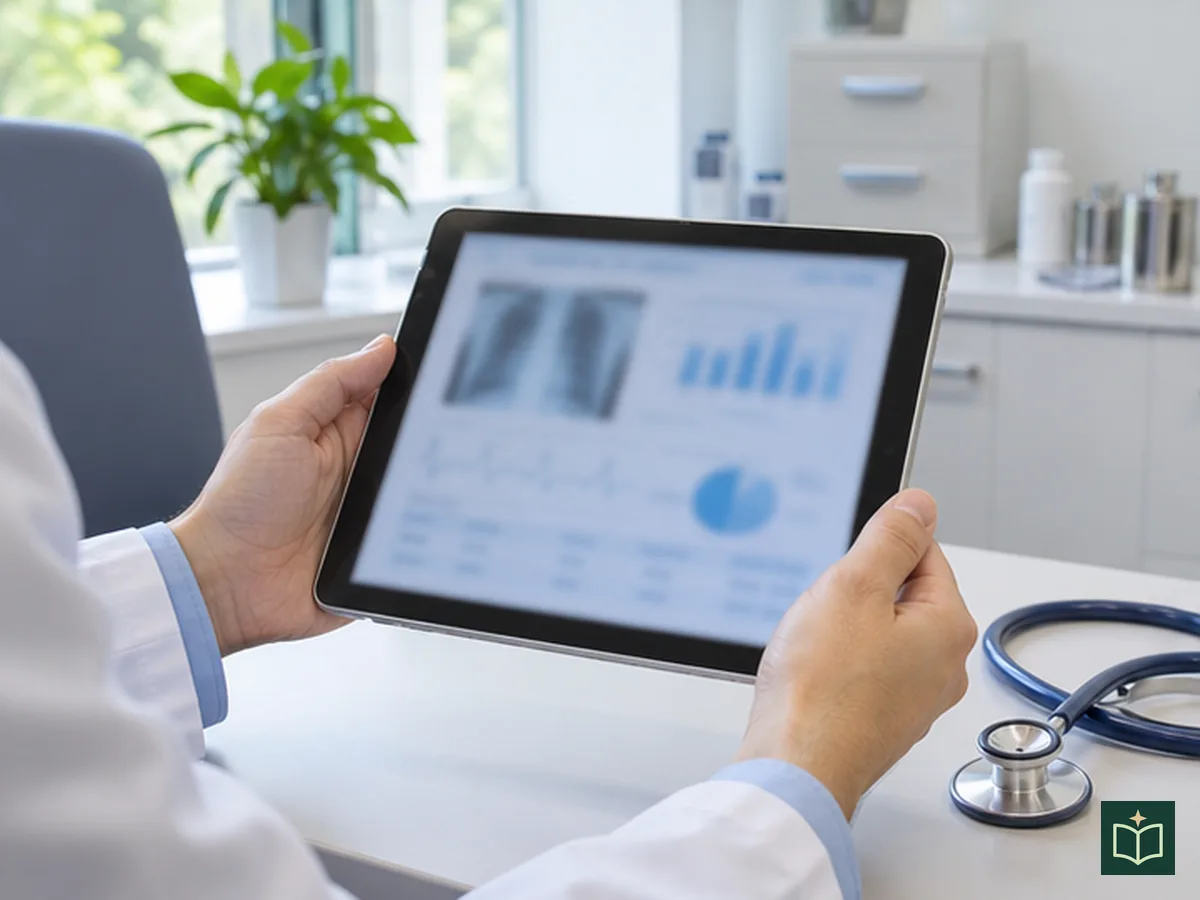
The UAE has built exchanges at both emirate and federal level. Abu Dhabi's Malaffi, launched in 2019, connects public and private hospitals, clinics and pharmacies across the emirate. In Dubai, the Dubai Health Authority runs NABIDH, which links facilities in that emirate, while Riayati, operated by federal health authorities, serves the northern emirates. Through these platforms, an authorised doctor can see a patient's medical history, allergies, lab results, radiology reports and medicines from other connected facilities. Emirates ID numbers help match records reliably. The aim is that a resident treated in different facilities, or even different emirates, carries a more complete picture of their health into each consultation.
Who can see what
Sharing health data raises obvious privacy concerns, so access is tightly controlled. Clinicians usually see records only for patients they are treating, and their role determines what they can view: a pharmacist may see medicines but not every clinical note. Every access is logged, and audits check for inappropriate viewing, which can lead to disciplinary action. Emergency access, sometimes called break-the-glass, lets clinicians override normal restrictions when a patient's life is at risk, but these events are specially flagged and reviewed. In the UAE, federal law sets rules for confidentiality and generally requires health data to be stored inside the country, with limited exceptions.
Limits and misconceptions
A common assumption is that an exchange gives every doctor a complete, perfect record. In practice, records are only as good as the data providers enter, and not every facility or item of information may be connected. Older paper records are often missing, and some clinical notes are shared only as summaries. Another misconception is that sharing means anyone in a hospital can browse a patient's history. Access is limited by role and treatment relationship, and monitored. Patients have rights over their data that vary by jurisdiction, so they should ask their provider or health authority how sharing works and what choices they have. This is general information, not legal advice.
Why it matters
Joined-up records can make care safer and more efficient. Doctors can avoid prescribing a drug a patient is allergic to, spot interactions between medicines from different prescribers and avoid repeating scans that expose patients to extra radiation. In emergencies, quick access to history can change treatment decisions. Health authorities can also use anonymised data to track disease trends and plan services. Countries such as Estonia and Denmark are often cited for long-established national systems, and many others are building their own. The challenge is balancing usefulness with privacy and security, because health data is among the most sensitive information people have and a prime target for cyberattacks.
Sources & further reading
Figures are rounded and widely published; check the linked organisations for the latest editions. These organisations do not endorse this website.