Why the number was uncertain
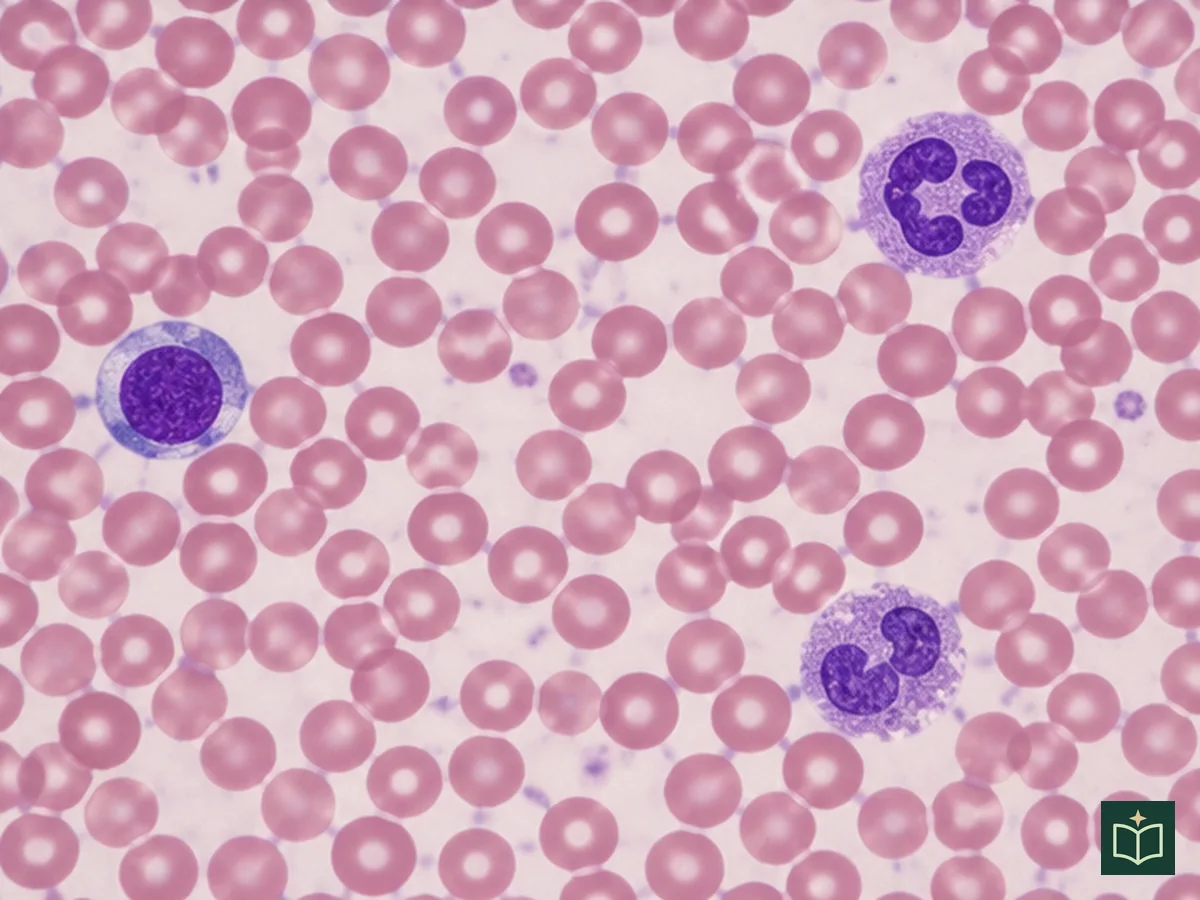
For decades, textbooks quoted wildly different figures for the number of cells in a human body, from 10 trillion to 100 trillion or more. Many of these numbers came from crude shortcuts, such as dividing body mass by the mass of a typical cell. The trouble is that there is no typical cell. A red blood cell is tiny, about 8 micrometres across and packed with haemoglobin, while a fat cell can be more than ten times wider and a muscle fibre can stretch for centimetres. Any honest count has to treat each cell type separately, and that requires careful measurements of many different tissues.
How the count was done
In 2013 an Italian-led team estimated about 37 trillion cells by compiling counts organ by organ. In 2016, researchers at the Weizmann Institute of Science in Israel refined the method for a reference man aged 20 to 30, weighing 70 kilograms and 170 centimetres tall. For blood they used blood volume and the number of cells per microlitre, routine figures in medicine. For other tissues they combined organ volumes with cell densities from microscope studies. They arrived at about 30 trillion human cells, a figure now widely cited as the best estimate. Women and children have fewer, mainly because they have smaller bodies and less blood.
Red cells dominate
The most surprising result is how unevenly the total is shared. Red blood cells account for about 84% of all human cells, roughly 25 trillion. Platelets, the cell fragments that help blood clot, add a few trillion more, and bone marrow cells, blood vessel lining cells and white blood cells follow. By contrast, fat cells and muscle fibres, which make up most of the body's mass, contribute only a tiny fraction of the cell count because each is so large. The brain contains around 86 billion neurons and a similar number of supporting cells, yet that is well under 1% of the total.
And the bacteria?
A widely repeated claim held that bacterial cells outnumber human cells ten to one. The same Weizmann team showed this was a large overestimate based on an old back-of-the-envelope guess. Their figure for bacteria, most of them in the large intestine, was about 38 trillion, close to the human total. The ratio is therefore nearer one to one, and it shifts during the day: a single bowel movement can remove a substantial share of gut bacteria. Bacteria are much smaller than most human cells, so together they weigh only around 0.2 kilograms. They matter enormously for digestion and immunity, but they do not dominate us by number.
Replaced every day
Cells do not last for ever. A follow-up study in 2021 estimated that an adult replaces about 330 billion cells a day, roughly 1% of the total. Dividing 330 billion by the 86,400 seconds in a day gives close to 4 million new cells every second. Red blood cells live about 120 days, so replacing 25 trillion of them requires roughly 200 billion a day, which explains why blood cells make up most of the turnover. Cells lining the gut, which endure a harsh environment and last only days, make up most of the rest. Neurons and the lens of the eye, by contrast, can last a whole lifetime.
Why the count matters
Accurate cell counts are more than trivia. They help researchers model how drugs are distributed through the body, how fast tissues regenerate and how many cell divisions occur over a lifetime, which is relevant to understanding why cancers arise more often in some tissues than others. They also correct myths: you are not mostly bacterial, and you do not replace every cell in your body every seven years, a claim with no scientific basis. Some tissues renew in days, others over years, and some hardly at all. The total of about 30 trillion is best understood as a careful estimate for one reference body, not an exact census.
Sources & further reading
Figures are rounded and widely published; check the linked organisations for the latest editions. These organisations do not endorse this website.