A narrow safe range
The body keeps its core close to 37°C, and the organs work best within a degree or two of that point. Heat arrives from the sun, the air and hot surfaces, and is also generated inside by working muscles. To get rid of it, the brain's thermostat, the hypothalamus, widens blood vessels in the skin so warm blood can shed heat, and switches on sweating. As long as these systems keep up, temperature stays steady even on very hot days. Trouble starts when heat comes in faster than it can leave, whether from hard exertion, prolonged exposure, or both, and the body's reserves of water and salt run down.
Heat exhaustion first
Heat exhaustion is the earlier, milder stage. Heavy sweating removes water and salt, blood volume falls, and the heart must work harder to supply both the skin and the muscles. People feel weak, dizzy, thirsty and nauseous, may have a headache or cramps, and often look pale and clammy. Core temperature is raised but usually below 40°C, and the person remains clear-headed. Moving to shade or air conditioning, lying down, loosening clothing and drinking fluids usually brings recovery within an hour or so. Left unchecked, however, heat exhaustion can progress, and the line between the two conditions is crossed when the brain begins to be affected.
When the system breaks
Heatstroke is a medical emergency. It is usually defined by a core temperature above about 40°C combined with disturbed brain function: confusion, slurred speech, agitation, seizures or collapse. At these temperatures proteins inside cells start to lose their shape, cell membranes leak, and the gut lining can let bacterial toxins into the blood, triggering widespread inflammation. Blood may clot abnormally, and muscle breakdown can overload the kidneys. Sweating sometimes stops, especially in older people, but in young people collapsing during exercise the skin is often still wet, so dry skin is not a reliable test. The longer the temperature stays high, the greater the risk of lasting damage or death.
Two kinds of heatstroke
Doctors distinguish two forms. Classic heatstroke develops over days during heatwaves and mainly affects older people, infants and those with chronic illness or on certain medicines, whose bodies cannot cool themselves efficiently. Exertional heatstroke strikes quickly, often in fit young people such as athletes, soldiers and outdoor workers who generate large amounts of heat through effort. Rapid cooling is the key treatment for both. Immersing the body in cold water is the fastest method where it is available; otherwise cool water on the skin with fanning, and ice packs at the neck, armpits and groin, can help. Call emergency services immediately; cooling should begin while waiting for help.
Why humid heat is harder
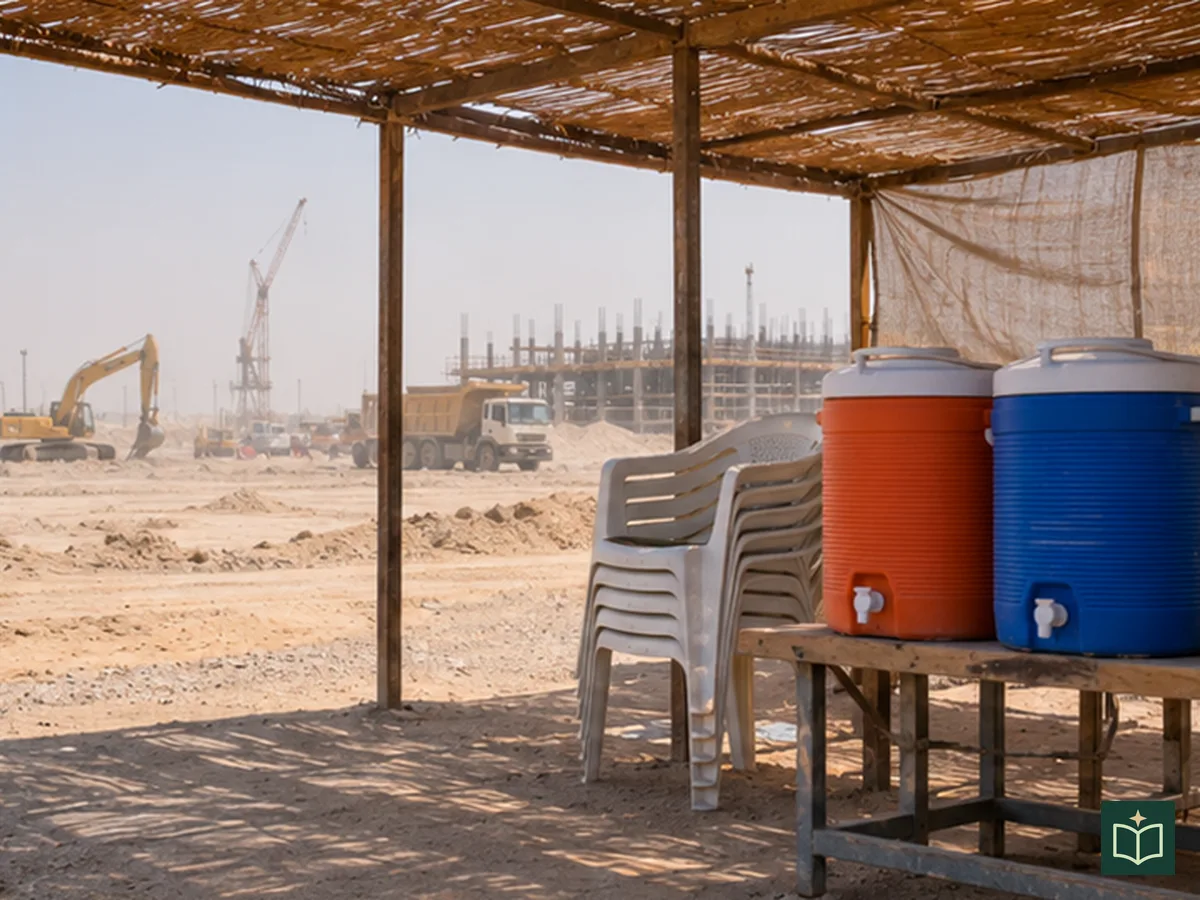
Sweat cools only when it evaporates, and evaporation slows as the air fills with water vapour. In dry desert heat sweat vanishes quickly and works well. Along Gulf coasts in July and August, when sea breezes carry very moist air ashore, sweat drips off instead of evaporating, and the body loses its main cooling route while still losing water. Hot nights add to the strain because the body never fully recovers. That is why many Gulf countries, including the UAE, enforce a summer midday break for outdoor workers, and why heat warnings consider humidity rather than temperature alone. Acclimatisation over one to two weeks helps, but has limits.
Prevention and myths
Most heat illness is preventable. Drinking regularly before feeling thirsty, scheduling hard activity for cooler hours, wearing light loose clothing, taking breaks in shade and checking on older neighbours all reduce risk. Children and pets should never be left in parked cars, which heat up very quickly. A common myth is that only the unfit are vulnerable; in reality exertional heatstroke often affects strong, motivated people who push on. Another is that drinking water alone is protective; fluids help, but they cannot overcome extreme heat combined with exertion. This article is general information. Anyone showing confusion in the heat needs urgent medical help.
Sources & further reading
Figures are rounded and widely published; check the linked organisations for the latest editions. These organisations do not endorse this website.