Why food is recalled
Food is recalled when it may be unsafe or does not meet legal requirements. Common reasons include contamination with harmful bacteria such as Salmonella, Listeria or E. coli; undeclared allergens, such as nuts or milk missing from a label; foreign objects like glass, metal or plastic; and chemical problems, such as excess pesticide residues. Most recalls are precautionary, triggered before anyone falls ill. Each country has its own system. In the UAE, food safety is overseen by federal authorities together with local bodies such as Dubai Municipality and the Abu Dhabi Agriculture and Food Safety Authority, which can order products withdrawn and publish alerts for consumers.
How problems are found
Warning signs come from several directions. Food companies test raw materials and finished products, and a positive result for a pathogen can prompt action. Inspectors sample food from shops and ports. Customers complain about strange tastes, objects or allergic reactions. Sometimes the first sign is a cluster of illnesses spotted by public health surveillance. Laboratories now use genetic sequencing to compare bacteria from patients with bacteria found in food or factories, which can link cases separated by hundreds of kilometres to a single source. Once a suspect product is identified, the company and regulator assess the risk and decide quickly whether a recall is needed.
Following the batch
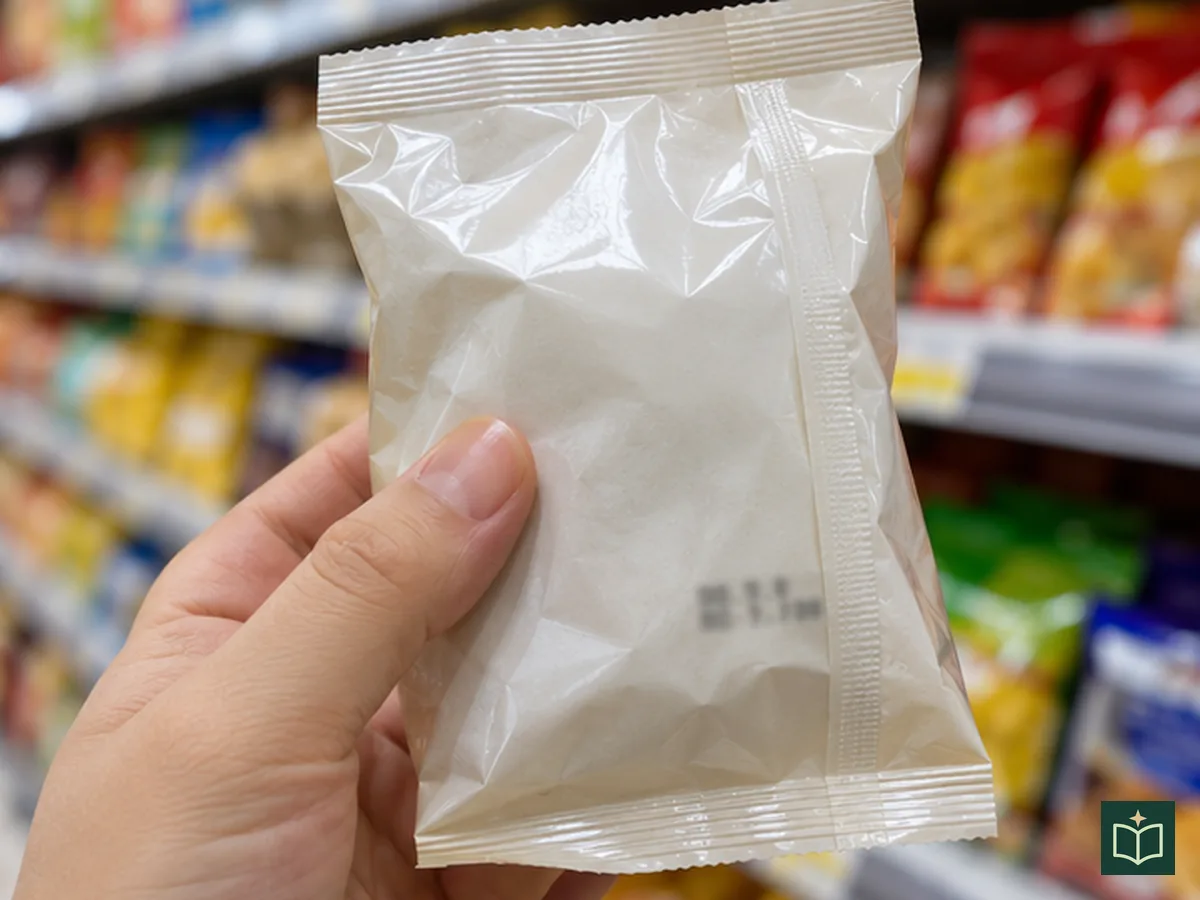
The key to an effective recall is traceability. Every packaged food carries a batch or lot code, often printed near the best-before date, identifying when and where it was made. Under rules such as the European Union's General Food Law of 2002, every business must know where its ingredients came from, one step back, and to whom it sold its products, one step forward. Many countries have similar requirements. When a problem is found, investigators use these records to trace the batch back to a supplier, perhaps a contaminated ingredient used in several products, and forward through distributors to every shop that received it, so the recall can be precisely targeted.
Clearing shops and homes
Once a recall begins, distributors and retailers remove the affected batches from warehouses and shelves, often within hours, and block them at the till so they cannot be sold. Regulators and companies publish recall notices describing the product, batch codes, dates and the hazard, usually on official websites, social media and in shops. Some retailers use loyalty card data to contact customers who bought the item. Consumers are typically asked to stop using the product and return it for a refund or throw it away. Recalled food is then destroyed, or occasionally relabelled if the only problem was a missing allergen warning and the authority agrees.
Practice and pitfalls
Recalls fail when records are incomplete. If a factory cannot say which lots used a contaminated ingredient, it may have to recall far more product, sometimes everything produced over weeks, at great cost. That is why many companies run mock recalls, tracing a randomly chosen batch to test how quickly they can find every unit. Complex supply chains add difficulty: one ingredient, such as a spice or flour, may be used by dozens of manufacturers in many countries. A common misconception is that recalls mean a company was careless. In fact, a well-run recall often shows that safety checks are working, while an unreported problem is far more dangerous.
Why it matters
Modern food systems move enormous volumes over long distances, so a single contaminated batch can reach many countries within days. Traceability systems and recall procedures are the safety net that limits the harm. Governments are pushing for faster, more digital records, so that tracing can take minutes rather than days, and international networks such as the WHO and FAO's INFOSAN share alerts between food safety authorities. For consumers, the practical habits are simple: keep packaging or batch information for items you may store for a while, check official recall lists if a product seems unusual, and follow the instructions in a notice. Anyone who feels ill should seek medical advice.
Sources & further reading
Figures are rounded and widely published; check the linked organisations for the latest editions. These organisations do not endorse this website.