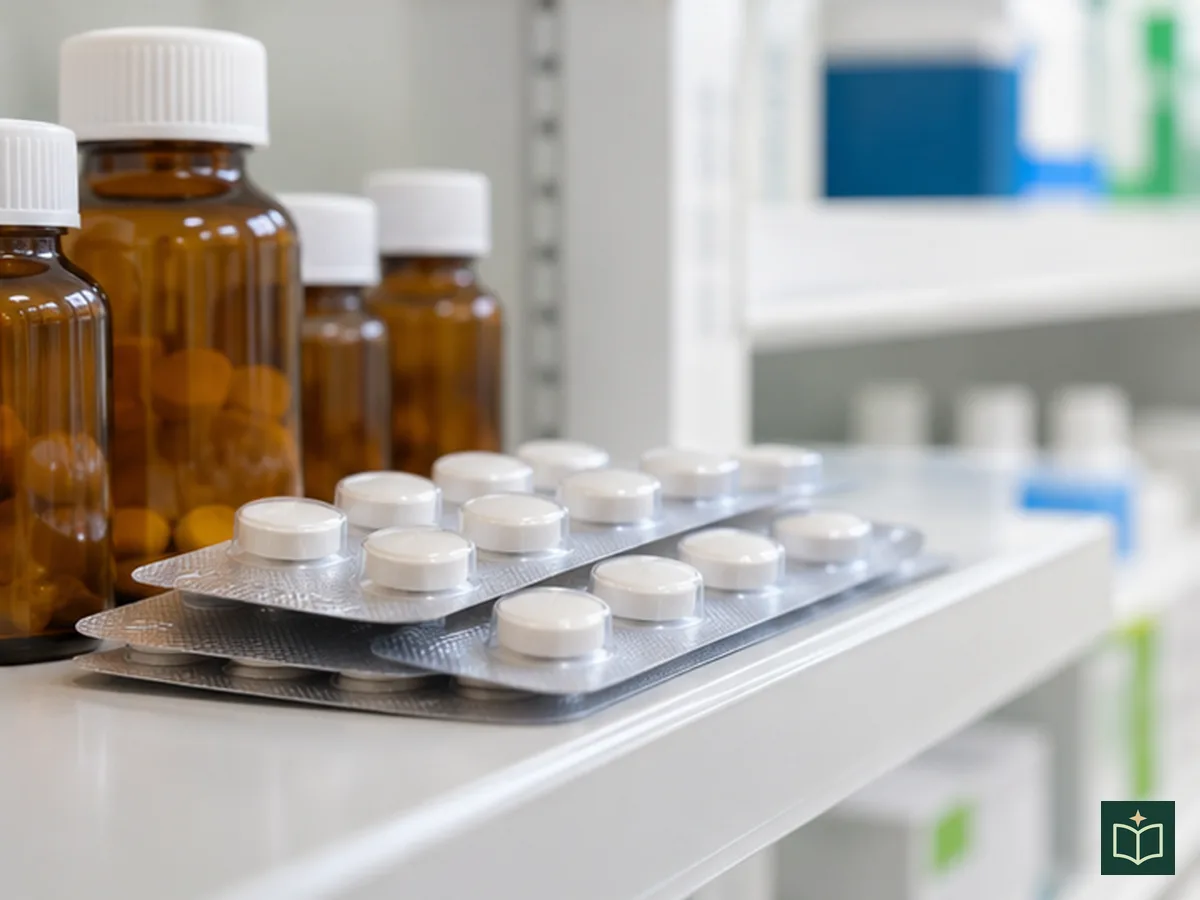
Why medicines expire
Medicines are chemicals, and most slowly change over time. The active ingredient can break down, reducing its strength, and some breakdown products may be harmful. Tablets can absorb moisture, harden or crumble, changing how quickly they dissolve in the body. Liquids and creams can separate, and preservatives can lose effectiveness, allowing microbes to grow. An expiry date is the manufacturer's guarantee, approved by regulators, that the medicine will remain within its specifications up to that date if it is stored correctly. Specifications typically require that the medicine keeps most of its labelled strength, often at least 90 per cent, with impurities below strict limits.
Stability testing
To set that date, manufacturers run stability studies following international guidelines developed by the International Council for Harmonisation, known as ICH, and adopted by regulators worldwide. Samples from several production batches, packed in the same containers that patients will receive, are stored in climate-controlled chambers. Long-term studies keep them at conditions matching the intended market, such as 25°C or 30°C with set humidity. Accelerated studies use harsher conditions, commonly 40°C and 75 per cent relative humidity for six months, to reveal how the product might degrade. At set intervals, laboratories test the samples for strength, impurities, dissolution, appearance and, where relevant, microbial quality.
Hot and humid climates
The world is divided into climatic zones for stability testing, from temperate regions to hot and very humid ones. Medicines sold in hotter regions, including much of the Gulf, must be tested at higher temperatures, typically 30°C with elevated humidity, because heat and moisture accelerate most degradation reactions. Regulators in such regions generally require evidence from these conditions before approving a product. That is why the same medicine may carry slightly different storage instructions in different countries, such as store below 25°C in one market and below 30°C in another. Packaging also matters: blister packs made of aluminium foil protect against moisture far better than plastic bottles once opened.
Storage at home
Expiry dates assume that patients follow the storage instructions. In the Gulf, the inside of a parked car can exceed 60°C in summer, far above any tested condition, so leaving medicines in a vehicle can damage them quickly. Bathrooms are often humid and warm, so a cool, dry cupboard is better. Some products have shorter limits once opened: eye drops, liquid antibiotics after mixing and insulin pens in use often carry a separate use-within period. Insulin, many vaccines and some injectable medicines must be refrigerated but not frozen. If a medicine looks different, smells unusual or has been exposed to extreme heat, a pharmacist can advise whether it is still safe.
Misconceptions
A common belief is that medicines suddenly become dangerous the day after expiry. For most products, the date marks the end of guaranteed quality, not a cliff edge. Studies by the United States government on stored military medicines found that many remained potent well past their dates when kept in ideal conditions. That does not mean expired medicines are safe to use: home storage is rarely ideal, and some products, such as nitroglycerin, insulin and liquid antibiotics, lose strength faster. For conditions where precise dosing matters, an underpowered medicine can fail to work. Health authorities advise not using expired medicines and returning them to pharmacies for safe disposal. This is general information, not medical advice.
Why it matters
Expiry dates protect patients, but they also shape supply chains. Medicines with short shelf lives must be distributed quickly, and stock that expires before use is wasted, a significant cost for hospitals and health systems. Distributors in hot regions use temperature-controlled warehouses and vehicles, and some shipments carry data loggers that record temperature throughout the journey. Manufacturers sometimes extend a product's shelf life after collecting more long-term data, with regulatory approval. For patients, the practical lessons are simple: check dates when collecting medicines, store them as instructed, keep them out of hot cars and direct sun, and ask a pharmacist if in doubt about any product.
Sources & further reading
Figures are rounded and widely published; check the linked organisations for the latest editions. These organisations do not endorse this website.