What duty free means
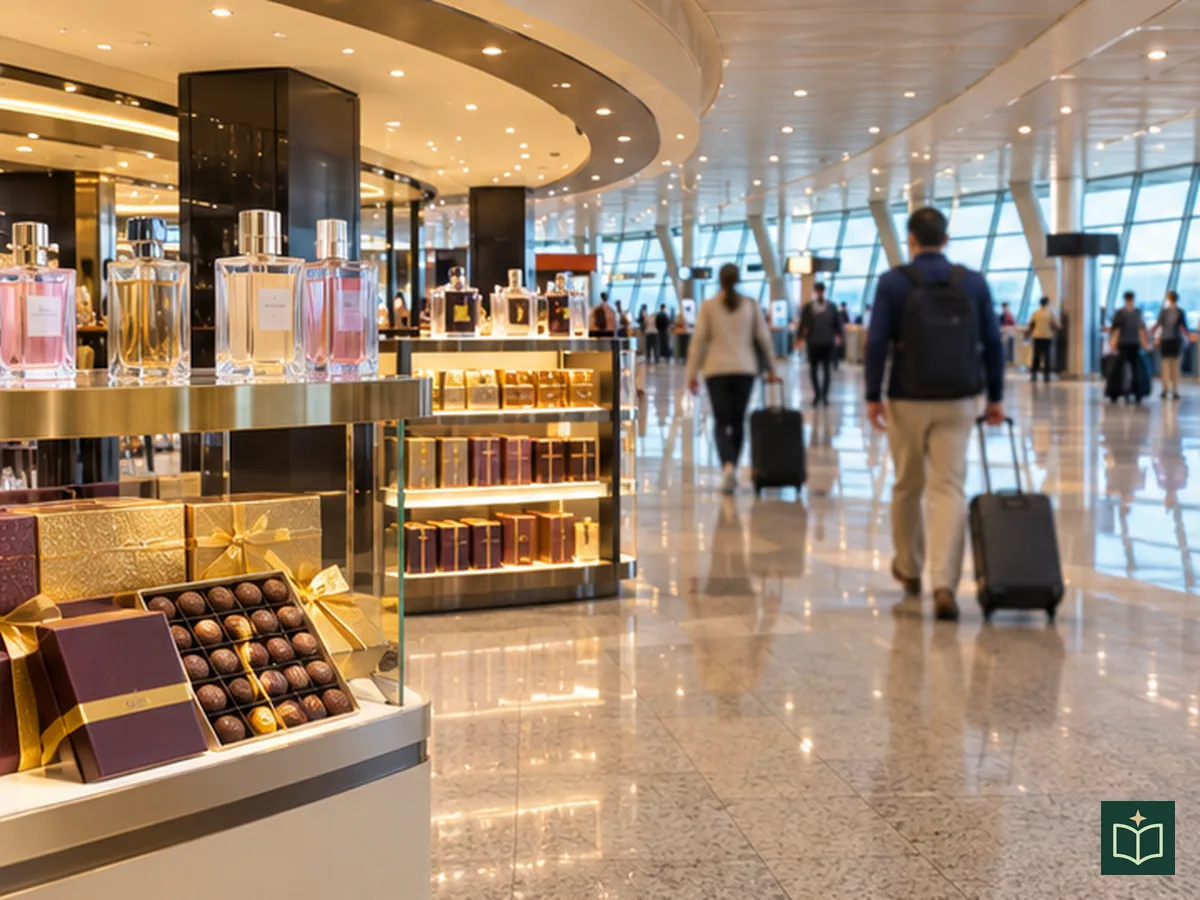
Countries charge import duties on many goods, and often excise taxes on items such as tobacco and alcohol, plus sales taxes like VAT. These can make up a large part of the price. Duty-free shops, usually found at airports, ports and border crossings, sell goods to travellers who are leaving the country. Because the goods will be consumed abroad, they are treated as exports, and the departure country does not charge its own duties and certain taxes. The shops operate within customs-controlled zones, and the goods they stock are held in bonded warehouses until sold, so the taxes are never paid in the first place rather than refunded later.
Who can buy
The key condition is that the buyer is genuinely leaving. That is why most duty-free shops sit airside, after passport control or security checks, where only passengers with boarding passes can enter. Staff usually scan the boarding pass to record the destination, which can affect what may be sold; some flights, for example, may have restrictions on certain products. Some countries, including the UAE, also have arrival duty-free shops, which let incoming passengers buy within their allowance before passing customs. Rules differ widely. Within the European Union, duty-free sales on journeys between member states ended in 1999, because they are part of a single customs territory.
Allowances at the other end
Buying duty free does not exempt goods from the rules of the destination country. Each country sets personal allowances: how much tobacco, alcohol and other goods a traveller may bring in without paying duty. In the UAE, for instance, passengers have been able to bring personal gifts worth up to AED 3,000 and up to 400 cigarettes duty free, with further limits on alcohol and restricted items. Amounts above an allowance must be declared and may be taxed, and some items are banned altogether. Allowances change, so travellers should check the official customs authority's guidance before buying in quantity. This is general information, not legal advice.
A brief history
Shannon Airport in Ireland is widely credited with opening the first airport duty-free shop in 1947, serving passengers on transatlantic flights that stopped to refuel. The idea spread worldwide as air travel grew. Dubai Duty Free opened in 1983 and has become one of the largest airport retail operations in the world, helped by the enormous number of passengers passing through Dubai International. Duty free has become a major source of income for airports, which charge rents or a share of sales to retailers. That income helps fund airport operations and can keep landing fees lower, which is one reason airports design terminals to lead passengers past shops.
Common misconceptions
Duty free is not always cheaper. For goods with low or no duties, such as many electronics in low-tax countries, airport prices may be similar to or higher than those in town. The biggest savings tend to be on heavily taxed products like tobacco, alcohol and some perfumes. Duty free is also different from tourist tax refunds. Many countries, including the UAE since 2018, let visitors reclaim VAT on purchases made in ordinary shops when they leave, through a separate refund system. Travellers with connecting flights should also remember liquid security rules: duty-free liquids are usually packed in sealed, tamper-evident bags with the receipt and must stay sealed.
Why it matters
Duty-free shopping shows how tax rules depend on borders and where goods are consumed. For governments, it is a narrow exemption tied to export rules, carefully controlled to prevent goods from slipping into the domestic market untaxed. For airports and airlines, it is an important revenue stream, especially at large transit hubs in the Gulf where millions of passengers change planes each year. For travellers, a little knowledge avoids surprises: compare prices, know the allowance at the destination, keep receipts and sealed bags intact, and declare anything above the limits. The bargain is real only when the goods arrive without an unexpected customs bill.
Sources & further reading
Figures are rounded and widely published; check the linked organisations for the latest editions. These organisations do not endorse this website.