Appeals come in several forms
When news reports say the UN has launched an appeal, the word can describe several different documents. A flash appeal is issued within days of a sudden disaster, such as an earthquake or cyclone, based on early estimates of need, and typically covers the first months of the response. A humanitarian response plan covers a country in a long-running crisis, usually for a calendar year. Refugee response plans, led by the UN refugee agency, cover people who have fled across borders and the countries hosting them. Each December, the UN's humanitarian office, OCHA, gathers these plans into the Global Humanitarian Overview, which presents the total requirement for the following year.
Pledged, committed, received
Money moves through stages, and reports do not always say which one they mean. A pledge is a public promise, often made at a donor conference. A commitment is a formal, legally binding agreement to provide a specified amount. A disbursement is money actually transferred. A large pledge announced at a conference may take months to become cash, and some pledges are never fully honoured. OCHA's Financial Tracking Service records contributions reported by donors and agencies, distinguishing these stages. The 'per cent funded' figure for an appeal normally counts commitments and paid contributions against the requirement, not pledges alone, which is why it can look low just after a well-publicised conference.
Why the percentage moves
The funded share is a ratio, and both parts change. Suppose an appeal requires 300 million US dollars and has received 75 million. It is 25 per cent funded. If the crisis worsens and the requirement is revised to 400 million, the same 75 million now represents under 19 per cent, even though no money has been withdrawn. Timing also matters. Annual plans start the year with very little money recorded, so a figure of 10 per cent in March is not unusual, while the same figure in November would signal a serious shortfall. For a flash appeal, the first few weeks of funding often decide what agencies can do at all.
Money outside the appeal
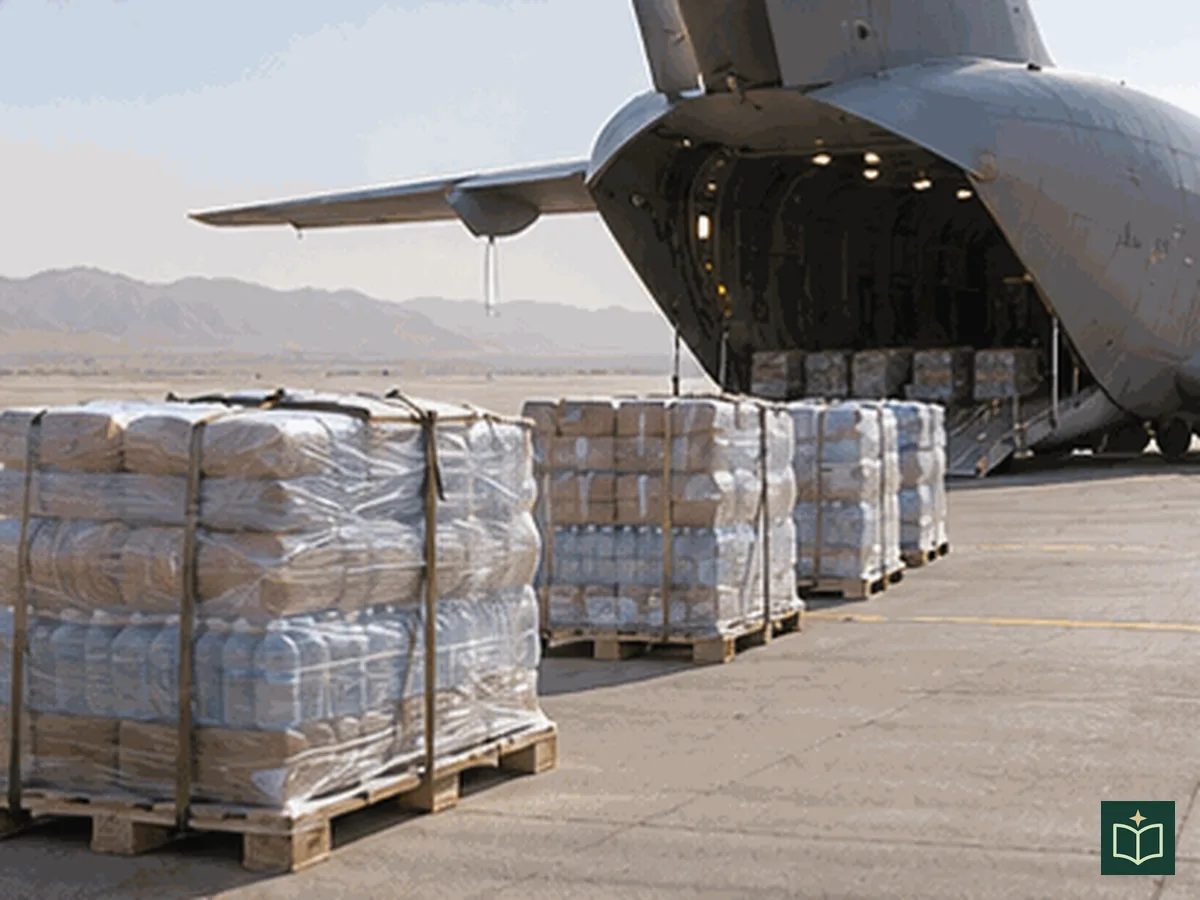
Not all aid passes through UN appeals. Governments may fund their own relief operations, give directly to the affected government or support the Red Cross and Red Crescent movement, which runs separate appeals. Gulf states, including the UAE, have often provided large bilateral assistance and in-kind aid, such as field hospitals and food shipments, alongside contributions to UN plans. Private donations, remittances from relatives abroad and local charities can also be substantial. Some of this appears in the tracking system as funding outside the plan, and some does not appear at all. A low appeal percentage therefore means the planned UN-coordinated response is short of money, not that a crisis has received nothing.
Funds that move first
Because appeals take time to fill, pooled funds exist to bridge the gap. The Central Emergency Response Fund, established by the UN General Assembly in 2005, can allocate money within days of a sudden disaster or to crises that donors have neglected. Country-based pooled funds, managed by OCHA in particular crises, let donors contribute to a common pot that local and international organisations can draw on. These funds are small compared with total requirements, but they matter because they arrive early. In recent years, global appeals have often ended the year well short of their requirements, leaving agencies to prioritise the most life-saving activities and cut others.
Reading the funding figures
When a report says an appeal is a certain percentage funded, check four things. First, which appeal: a flash appeal, an annual country plan or a regional refugee plan. Second, the date, since early-year figures are naturally low. Third, whether the requirement has recently been revised, which can lower the percentage without any change in donations. Fourth, whether the figure includes pledges or only committed and paid funds. Comparisons between crises are useful but imperfect, because requirements depend on access, costs and how many people a plan aims to reach. The most telling figure is often how many targeted people have actually received assistance, which agencies report separately.
Sources & further reading
- OCHA · UN Office for the Coordination of Humanitarian Affairs ↗
- OCHA Financial Tracking Service ↗
- Central Emergency Response Fund ↗
Figures are rounded and widely published; check the linked organisations for the latest editions. These organisations do not endorse this website.