What a kilowatt-hour is
Electricity is usually sold by the kilowatt-hour, the energy used by a 1,000-watt appliance running for one hour. A kettle boiling for six minutes uses about a fifth of that; an air conditioner running all afternoon uses many. Your meter counts the total kilowatt-hours you use, and your tariff sets how much you pay for each one, often along with a fixed daily or monthly charge. Behind that simple number sits a complex chain of costs.
Generation costs
The first piece is the cost of producing power. Different plants have very different costs. Solar and wind farms have high building costs but almost no fuel costs, so each extra unit is cheap. Gas, oil and coal plants must buy fuel, so their running costs rise and fall with fuel prices. Nuclear plants are expensive to build but cheap to run. A country's mix of power plants therefore has a big effect on what electricity costs.
Wholesale markets and the merit order
In many countries, including much of Europe, Australia and parts of the United States, generators compete in wholesale markets. Each plant offers to sell power at a price. The grid operator accepts the cheapest offers first, moving up a ladder called the merit order until supply meets demand. Often, all accepted plants are paid the price of the last, most expensive plant needed. That is why a spike in gas prices can raise electricity prices even when much power comes from renewables.
Regulated systems
Other countries do not have competitive wholesale markets. Instead, a state-owned or regulated utility buys power under long-term contracts or produces it itself, and a regulator or government sets the tariffs customers pay. This is common in the Gulf. In the UAE, authorities such as DEWA in Dubai and the regulators in Abu Dhabi set tariffs, often in slabs where the price per kilowatt-hour rises as monthly consumption increases, which encourages saving energy.
Paying for the wires
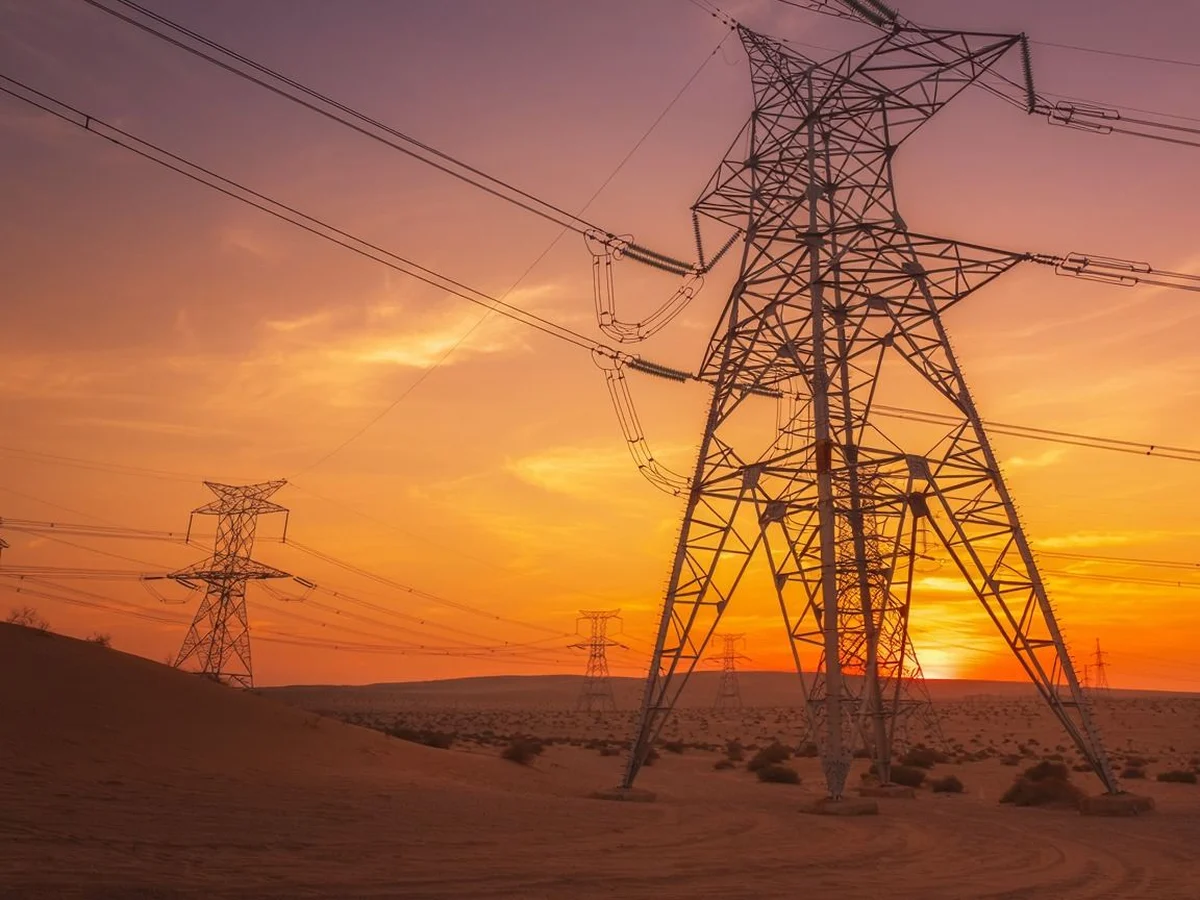
A large part of most bills covers the networks. High-voltage transmission lines carry power across long distances, and local distribution networks deliver it to streets and homes. Building and maintaining these lines, substations and meters is expensive, and because it rarely makes sense to build two sets of wires, networks are usually regulated monopolies. Regulators decide how much network companies may charge, aiming to cover their costs and fund investment without excessive profits.
Policy costs and taxes
Governments add other costs. These can include taxes such as value-added tax, charges that fund renewable energy or energy-efficiency programmes, and payments for carbon emissions in places with carbon pricing. Some countries also subsidise electricity, keeping prices below the full cost, especially for households. Others give support to low-income customers through social tariffs. Because of these choices, the share of a bill that comes from policy can differ hugely between countries.
Time-of-use and smart meters
With smart meters, some suppliers charge different prices at different times of day. Power is often cheapest at night or when sunshine and wind are plentiful, and most expensive during evening peaks when demand is highest. Time-of-use tariffs encourage customers to run washing machines, charge electric cars or heat water when power is cheaper. Some markets even offer dynamic tariffs that change every half hour, following the wholesale price.
Why prices change
Prices move for many reasons. Fuel prices on world markets, especially for natural gas, can shift sharply because of weather, conflict or supply problems. Hot summers and cold winters raise demand. New investment in grids and power plants must be paid for over time. Exchange rates matter for countries that import fuel. In regulated systems, tariffs may stay stable for years and then change in a single step when authorities review them.
Reading your own bill
To understand your bill, look for the number of kilowatt-hours used, the price per kilowatt-hour or the slabs that apply, any fixed charges, fuel or other surcharges, and taxes. Comparing usage month by month shows the effect of seasons, especially air conditioning in summer. Small steps such as setting the thermostat a little higher, using efficient appliances and switching off devices on standby can lower both your bill and the demand on the grid.
Sources & further reading
General information; tariffs and market rules differ by country, emirate and supplier. Photograph: original AI-generated illustration (Adobe Firefly). Reference organisations do not endorse this website.