Three basic models
For most of the twentieth century, electricity was supplied by vertically integrated utilities, usually state-owned or tightly regulated, that built power plants, ran the grid and billed customers. Prices were set by regulators to cover costs. From the 1990s, many countries unbundled these functions. In a ‘single buyer’ model, private developers build plants and sell all their output to one state-owned purchaser under long contracts. In a competitive wholesale market, as in Britain, much of Europe, Australia and parts of the United States, many generators sell to many retailers and large users through exchanges and bilateral deals. Each model reflects different views on competition, risk and public service.
The Gulf’s single-buyer approach
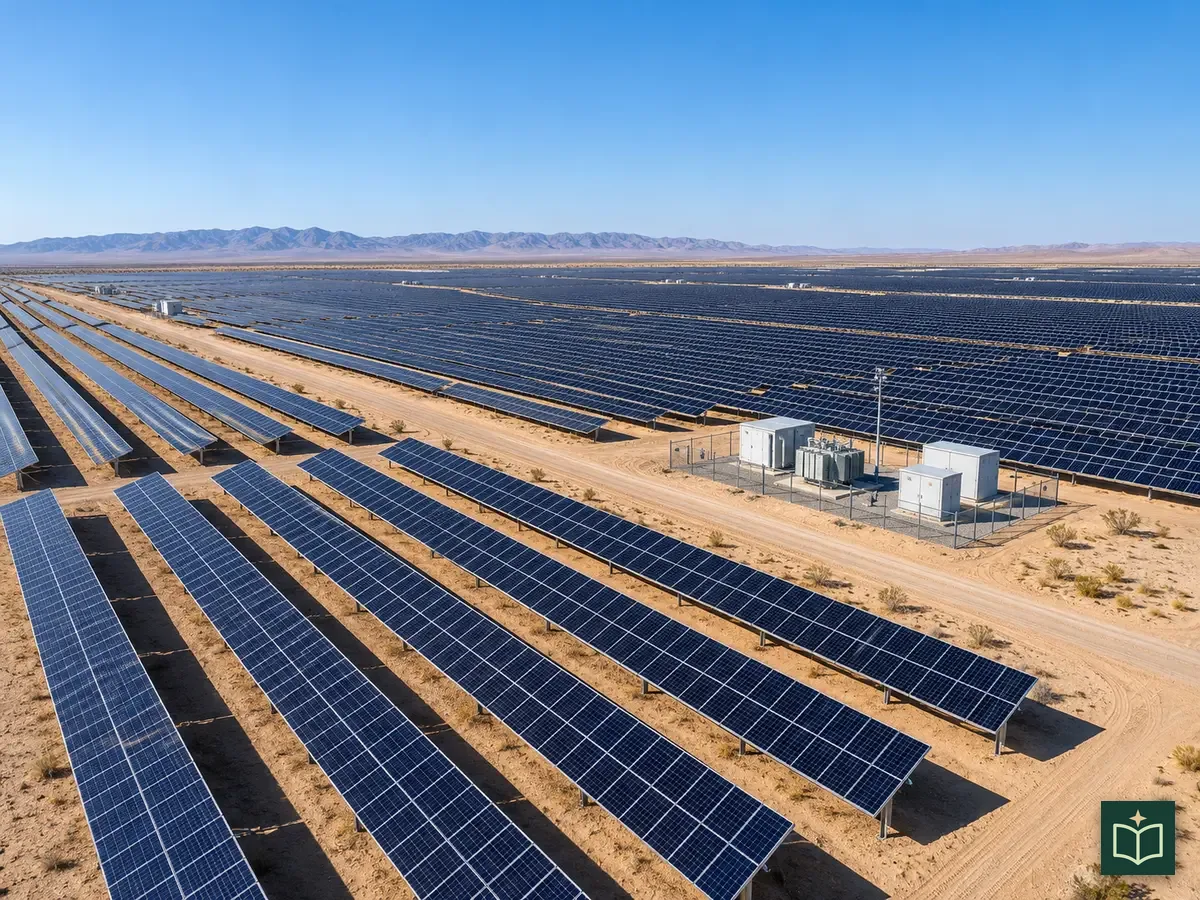
Most Gulf states use a single-buyer model built around independent power projects. Private developers, often in partnership with state entities, win competitive tenders to build and operate plants, then sell electricity, and often desalinated water, to a state-owned offtaker such as the Emirates Water and Electricity Company in Abu Dhabi, DEWA in Dubai or the Saudi Power Procurement Company. Contracts typically last 20 to 30 years and guarantee payments for available capacity and energy delivered. This structure reduces risk for investors and lenders, which helps explain the very low prices bid for solar projects in the region. Competition happens at the tender stage rather than hour by hour.
How wholesale markets work
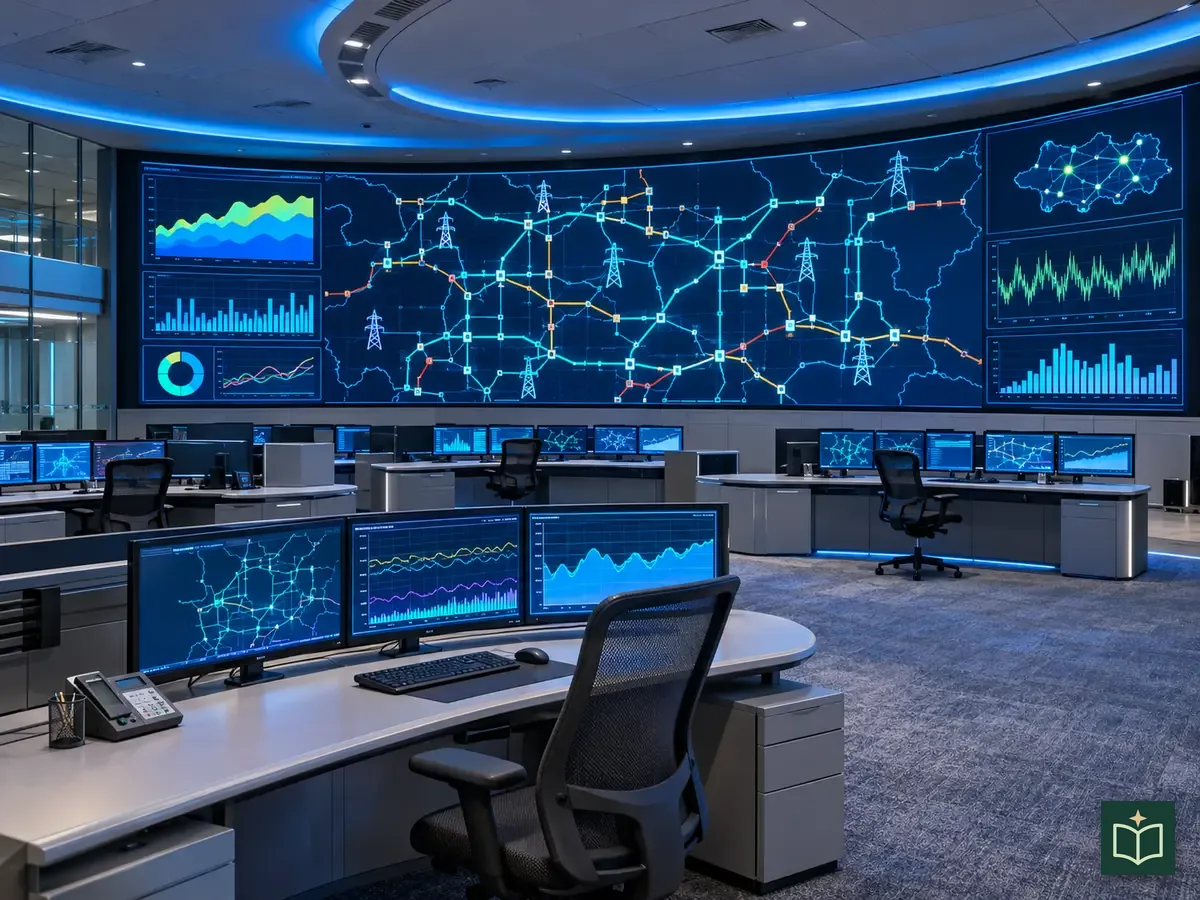
In competitive wholesale markets, generators offer to supply electricity for each period, often every half hour or hour, at prices reflecting their running costs. The system operator accepts offers from the cheapest upward until demand is met. In many markets, all accepted generators then receive the price of the last, most expensive unit needed, called the clearing price. This ‘marginal pricing’ rewards low-cost plants and sends a signal about scarcity. Retailers buy in these markets and package electricity into tariffs for households and businesses. Futures and long-term contracts let both sides hedge against volatile prices, which can swing sharply with weather, fuel costs and outages.
The investment problem
Markets that pay only for energy delivered can struggle to finance plants that run rarely but are needed for the hottest or coldest days. Some markets therefore add capacity markets, which pay for being available, or allow very high scarcity prices. The growth of wind and solar, which have almost no fuel costs, adds another challenge: when they produce a lot, wholesale prices fall, sometimes below zero, reducing revenue for all generators. Many governments now combine markets with long-term contracts, such as contracts for difference, that give renewable projects a fixed price, borrowing some features of the single-buyer model to lower financing costs.
What customers see
Household tariffs often bear little resemblance to wholesale prices. Bills include network costs, policy charges, taxes and, in some countries, subsidies. In many Gulf states, residential tariffs have historically been set below cost, especially for citizens, though several countries have raised and restructured tariffs since the mid-2010s, often with tiered ‘slab’ rates that rise with consumption. In Dubai, bills also include a fuel surcharge that is adjusted over time. In competitive retail markets, households can switch suppliers, but price shocks can pass through quickly, as many European consumers experienced during the energy price surge of 2021 and 2022, when governments intervened to cap bills.
Choosing a model
No single model is best everywhere. Single-buyer systems with long contracts can attract investment cheaply and deliver large projects quickly, but they concentrate risk with the state and can be less flexible. Competitive markets reward efficiency and innovation but can produce volatile prices and underinvestment if poorly designed. The energy transition is pushing systems everywhere toward hybrids, combining long-term contracts for new capacity with short-term markets for balancing and flexibility. Some Gulf states have also explored wholesale trading among utilities and greater private participation. Understanding these structures helps explain news about tariffs, tenders and blackouts. This explainer is educational and not investment advice.
Sources & further reading
Figures are rounded and widely published; check the linked organisations for the latest editions. These organisations do not endorse this website.