Where tap water comes from
Most drinking water starts as surface water from rivers, lakes and reservoirs, or as groundwater pumped from wells. In dry regions such as the Gulf, much of it comes from the sea through desalination. Whatever the source, raw water is not usually safe to drink. It may contain soil particles, algae, bacteria, viruses and parasites, as well as natural minerals or pollution. Treatment plants are designed to remove these step by step.
Screening and clumping
First, water passes through screens that catch large items such as leaves, sticks and litter. Next comes coagulation. Chemicals such as aluminium sulphate or iron salts are added. They neutralise the tiny electric charges that keep fine particles of clay and dirt floating apart. The water is then gently stirred in a stage called flocculation, so the particles collide and stick together into larger, fluffy clumps called flocs.
Letting it settle
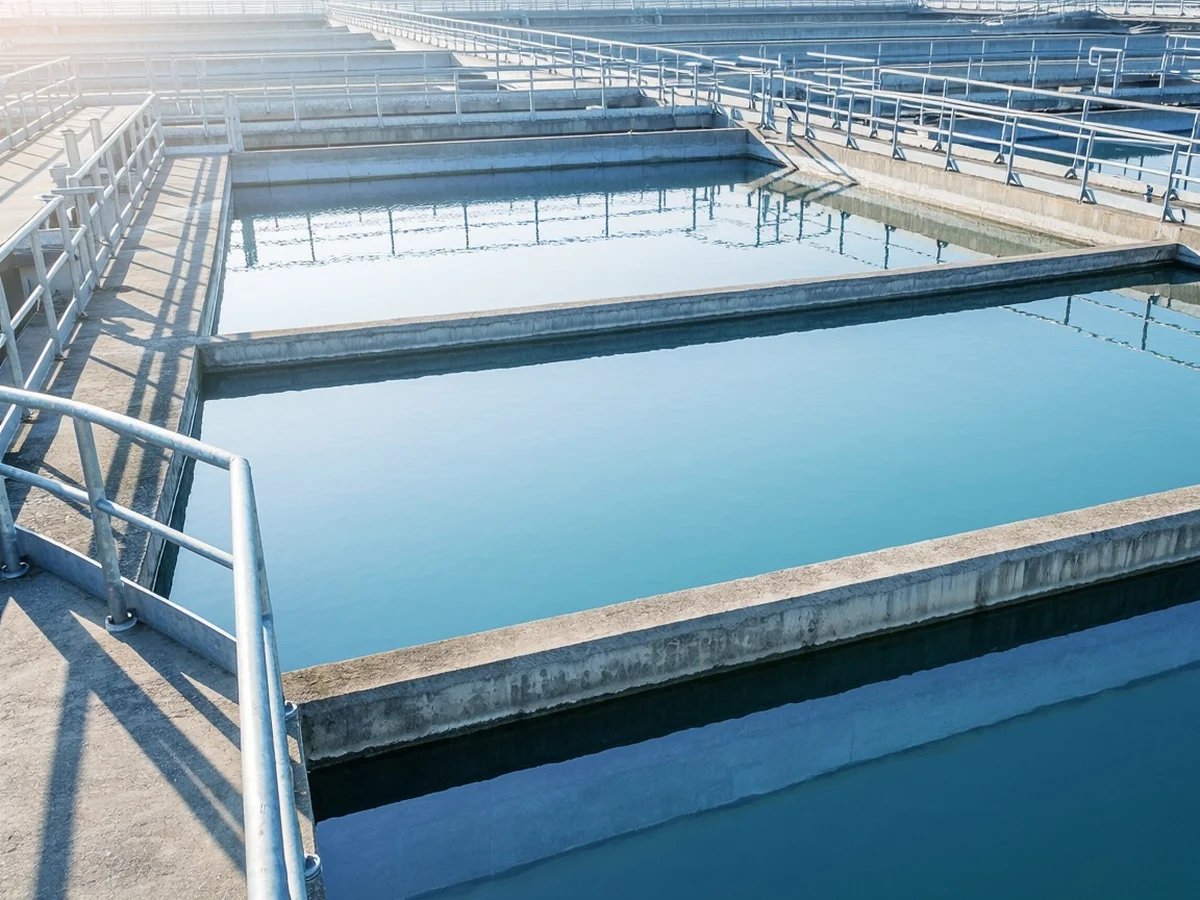
The water flows slowly into large sedimentation tanks. Because the flocs are heavier than water, they sink to the bottom over a few hours, carrying much of the dirt and many microbes with them. The sludge that collects is removed and treated separately. The clearer water at the top moves on to the next stage. Some plants use a related method, called dissolved air flotation, which floats the flocs to the surface instead.
Filtration
Next, the water passes through filters, usually beds of sand, gravel and sometimes activated carbon. As it trickles through, smaller particles that did not settle are trapped. Activated carbon can also remove substances that affect taste and smell. Some modern plants add membrane filtration, where water is pushed through extremely fine membranes that block particles and even many microbes. Filters are cleaned regularly by pumping water backwards through them.
Disinfection
Even after filtering, some germs may remain, so the water is disinfected. Chlorine is the most widely used disinfectant, and a small amount is usually left in the water as it travels through pipes, to protect it on the way to your tap. Some plants also use ozone gas or ultraviolet light, which damage the genetic material of microbes. The introduction of chlorination in the early twentieth century helped dramatically reduce diseases such as cholera and typhoid.
Final adjustments and testing
Before water leaves the plant, its acidity may be adjusted to stop pipes corroding, and in some countries fluoride is added to help prevent tooth decay. Throughout the process, operators test the water continuously for cloudiness, chlorine levels and acidity, and laboratories check samples for bacteria and chemicals. The treated water is stored in covered reservoirs or water towers, then pumped through the distribution network to homes and businesses.
Groundwater and seawater
Not all water needs every step. Groundwater pumped from deep wells is often naturally filtered by rock and sand, so it may need only light treatment and disinfection, though some groundwater contains minerals such as iron or arsenic that must be removed. Seawater needs desalination, usually by reverse osmosis, which pushes water through membranes that hold back salt. Desalinated water is then remineralised and disinfected before supply.
Protecting the water in the pipes
Treatment does not end at the plant. Water can travel many kilometres through pipes to reach homes. Utilities keep a small amount of disinfectant in the water, maintain pressure so dirty water cannot be drawn in, and replace old pipes over time. They also take samples from taps across the network. If problems are found, they may issue a boil water notice until the water is safe again.
How much water a city needs
A large city can use hundreds of millions of litres of water every day for homes, businesses, hospitals and firefighting. Treatment plants must keep up with demand that rises sharply on hot days and at certain times, such as early morning. Storage reservoirs and water towers smooth out these peaks, so treatment can run steadily while supply always meets demand.
Why it matters
Safe drinking water is one of the greatest public health achievements in history. The World Health Organization estimates that billions of people now have access to safely managed drinking water, yet many still do not. Treatment is a reminder that clean water is not simply found; it is produced, protected and checked every day. The idea of multiple barriers, where each step catches what the last one missed, is what keeps tap water safe.
Sources & further reading
- World Health Organization · Drinking water ↗
- US EPA · Drinking water treatment ↗
- Wikipedia · Water treatment ↗
General information; treatment methods vary by water source and country. Photograph: original AI-generated illustration (Adobe Firefly). Reference organisations do not endorse this website.