Common but hard to free
Aluminium makes up about 8% of Earth's crust by weight, more than any other metal. Yet it is never found as pure metal in nature, because it bonds tightly with oxygen. In the early nineteenth century, aluminium was so hard to produce that it was more valuable than gold; Napoleon III is said to have served his most honoured guests on aluminium plates. Everything changed in the 1880s, when two new processes made aluminium cheap enough for everyday use.
Bauxite, the ore
Almost all aluminium starts as bauxite, a reddish rock formed when tropical rains weather other rocks over millions of years, washing away other minerals and leaving aluminium oxides behind. It is usually mined from shallow open pits. Australia, Guinea and China are among the largest producers. The red colour comes from iron oxides, which become a by-product of refining known as red mud.
Step one: the Bayer process
In 1888, Austrian chemist Carl Josef Bayer patented a method to extract alumina, or aluminium oxide, from bauxite. The ore is crushed and mixed with hot caustic soda under pressure, which dissolves the aluminium compounds and leaves impurities behind. The solution is cooled, crystals of aluminium hydroxide form, and these are heated to over 1,000 °C to drive off water. The result is a fine white powder: alumina.
Step two: the Hall–Héroult process
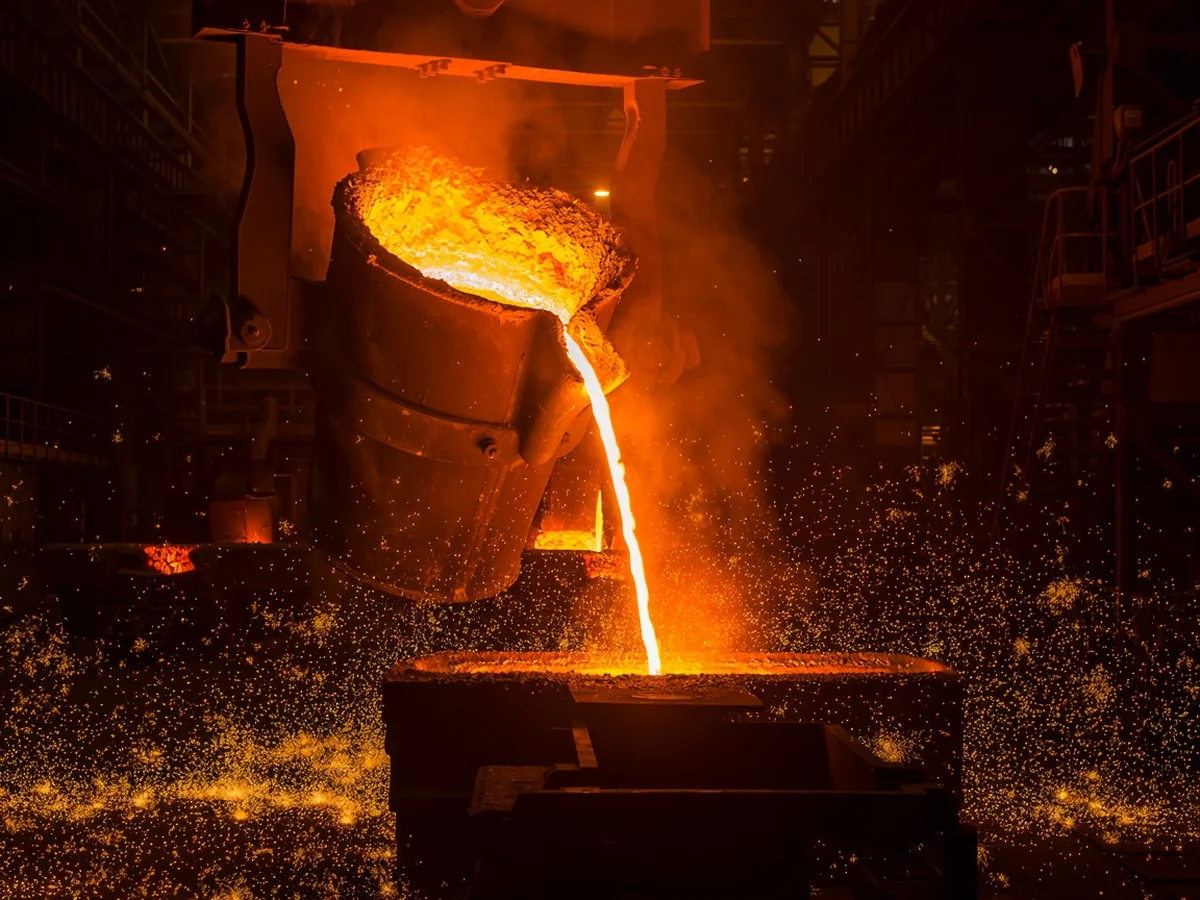
In 1886, Charles Martin Hall in the United States and Paul Héroult in France independently discovered how to turn alumina into metal. Alumina is dissolved in a bath of molten cryolite at around 950 °C inside large steel pots called cells. A powerful electric current passes through the bath. It splits the alumina, and molten aluminium collects at the bottom of the cell, where it is siphoned off. Carbon blocks act as the electrodes and are slowly consumed.
Hungry for electricity
Smelting is extremely energy intensive. Producing a tonne of aluminium typically needs around 14 to 15 megawatt-hours of electricity, roughly what several homes use in a year. That is why smelters are often built where electricity is plentiful, such as near hydroelectric dams or large gas-fired power stations. In the UAE, Emirates Global Aluminium operates large smelters at Jebel Ali and Al Taweelah and has begun producing aluminium using solar power.
Recycling saves energy
One of aluminium's great advantages is that it can be recycled again and again without losing quality. Remelting scrap uses only about 5% of the energy needed to make new aluminium from bauxite. A drinks can can be collected, melted and back on a shop shelf as a new can in a matter of weeks. A large share of all the aluminium ever produced is believed to still be in use today.
Inside a smelter
A modern smelter contains hundreds of electrolytic cells lined up in long buildings called potlines. Each cell runs day and night, because cooling one down can damage it. Workers regularly add alumina, check temperatures and siphon off the molten metal into crucibles. The aluminium is then cast into ingots, slabs or billets, or mixed with small amounts of other metals to make alloys for particular uses.
Alloys for every job
Pure aluminium is soft, so most aluminium is used as an alloy. Adding small amounts of copper, magnesium, silicon or zinc changes its strength, hardness and how easily it can be shaped. Aircraft use strong alloys containing zinc and copper; drinks cans use alloys containing magnesium and manganese; car parts and window frames use others. Each alloy series has a number that tells engineers its main ingredients.
Dealing with red mud
For every tonne of alumina produced, refineries create roughly one to one and a half tonnes of bauxite residue, known as red mud. It is strongly alkaline and must be stored safely, usually in engineered ponds or as dry stacks. Researchers and companies are developing ways to reuse it, for example in cement, building materials and even as a source of other valuable metals.
Why it matters
Aluminium is light, strong and resistant to corrosion, so it is used in aircraft, cars, buildings, power lines, packaging and phones. Making vehicles lighter with aluminium saves fuel and extends the range of electric cars. As demand grows, producers are working to cut the carbon footprint of smelting with renewable power and new electrode technologies. The journey from red rock to shiny metal shows how chemistry and energy combine to make modern materials.
Sources & further reading
General information; figures are approximate and vary between producers. Photograph: original AI-generated illustration (Adobe Firefly). Reference organisations do not endorse this website.