What surveillance means
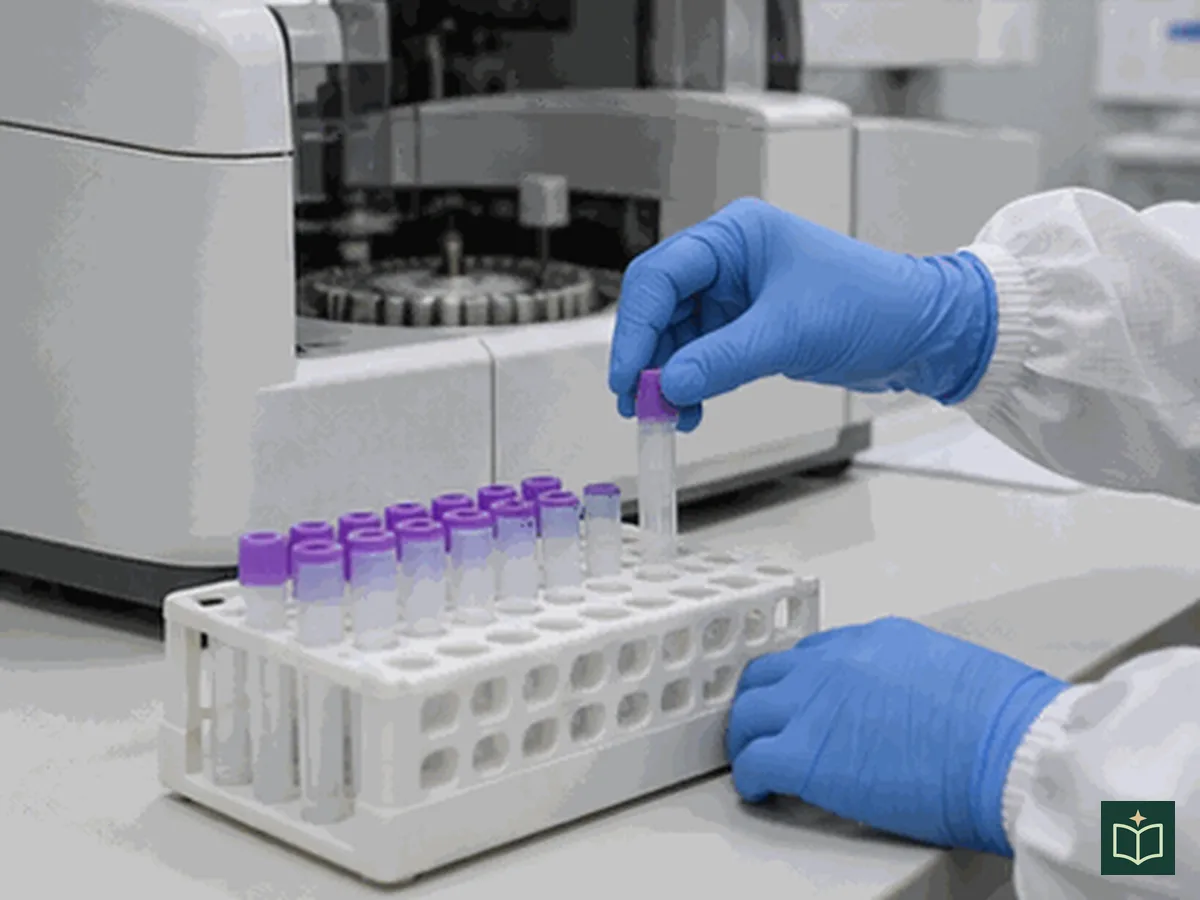
Public health surveillance is the continuous, systematic collection and analysis of health data to guide action. Its aim is to detect problems early, whether an outbreak of food poisoning in one neighbourhood or a new virus spreading internationally. Without surveillance, health authorities learn about outbreaks only when hospitals are already overwhelmed. With it, they can identify unusual patterns while numbers are small, investigate the source and act. Surveillance also tracks long-term trends, such as vaccination coverage or antibiotic resistance, to show whether health programmes are working. Most of this work is unseen by the public, carried out by epidemiologists, laboratory scientists and data analysts in health departments.
Notifiable diseases
The backbone of surveillance is a list of notifiable diseases that doctors and laboratories are legally required to report. These typically include measles, tuberculosis, cholera, meningitis, food-borne infections and other conditions that can spread or need urgent action. Reports go to local or national health authorities, often electronically, with details such as age, location and date of illness. In the UAE, healthcare providers report communicable diseases to the health authorities through electronic systems. Laboratory reporting is especially valuable, because a confirmed test is more reliable than a clinical suspicion and genetic sequencing can show whether cases are linked, revealing a single outbreak rather than unrelated infections.
Spotting the unusual
Surveillance works by comparing what is happening with what is expected. Analysts know the usual number of cases for each disease, place and season, and they set thresholds that trigger investigation. As a simple example, imagine a district that normally sees about 20 cases of gastroenteritis a week, with a typical variation of 5 cases above or below. A rule might flag any week above the average plus twice that variation, or 30 cases. If 45 cases appear, investigators begin asking questions: where did patients eat, what water did they drink, do they share a school or workplace? Real systems use more sophisticated statistics, but the logic is similar.
Syndromic and sentinel systems
Waiting for confirmed laboratory diagnoses can be slow, so many countries also use syndromic surveillance, tracking symptoms rather than diagnoses. Rises in emergency department visits for fever, cough or diarrhoea, sales of certain medicines or calls to health hotlines can signal a developing problem days before laboratory results. Sentinel systems take a different approach, collecting detailed samples from a selected network of clinics rather than from everyone. The World Health Organization's Global Influenza Surveillance and Response System, which began in 1952, uses laboratories in many countries to monitor circulating flu strains and inform the composition of seasonal flu vaccines each year.
Listening to the sewers
Wastewater testing has become an important tool. People infected with many viruses shed genetic material in their faeces, whether or not they feel ill or get tested. By sampling sewage at treatment plants or in sewer networks, scientists can measure trends in an entire community. The method was used for decades to monitor poliovirus, and it expanded rapidly during the COVID-19 pandemic. Wastewater signals can rise days before clinical cases, giving early warning. They cannot identify individuals, which protects privacy, but they also cannot say exactly how many people are infected. Researchers are extending the approach to other viruses, bacteria and markers of antibiotic resistance.
From local alert to global warning
When surveillance detects an event that could spread across borders, international rules apply. Under the International Health Regulations, a legally binding agreement among WHO member states, countries must assess such events and notify WHO within 24 hours if they may constitute a public health emergency of international concern. WHO also scans news reports and other open sources for early signs of outbreaks. The pandemic showed both the value and the limits of these systems: early signals can be missed, delayed or underreported. Investment in laboratories, data systems, trained staff and international cooperation remains central to catching the next outbreak while it is still small.
Sources & further reading
- World Health Organization · International Health Regulations ↗
- US Centers for Disease Control and Prevention · Public health surveillance ↗
Figures are rounded and widely published; check the linked organisations for the latest editions. These organisations do not endorse this website.