Flowers from the equator
Many of the roses sold in Europe, the Gulf and North America are grown thousands of kilometres away, in Kenya, Ethiopia, Colombia and Ecuador. These countries share advantages: high-altitude farms near the equator enjoy steady day length all year, strong sunlight and cool nights, conditions that produce long stems and large blooms. Labour costs are lower than in Europe, and greenhouses need little heating. Kenya's farms around Lake Naivasha, for example, supply a large share of the roses sold in Europe, while Colombia and Ecuador dominate supply to the United States. The Netherlands remains the trading centre, but it now handles flowers grown all over the world.
Cut in bud, chilled at once
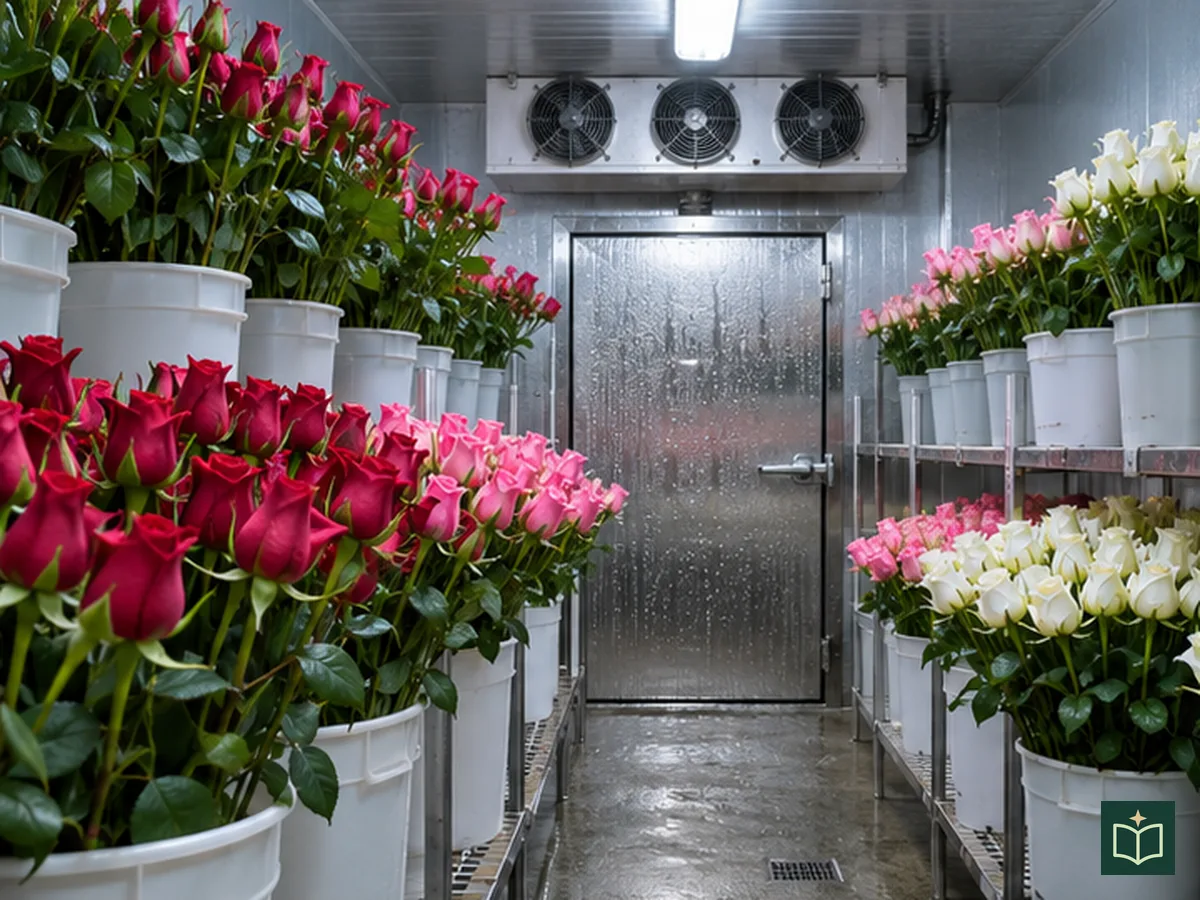
Flowers are living tissue that keeps breathing after cutting, using up stored sugars and water. Warmth speeds this process, so time and temperature are the enemies of freshness. Roses are typically harvested early in the morning, while still in tight bud, and placed straight into buckets of water treated with preservatives. They are taken to a pack house, where they are graded by stem length and bloom size, bunched and cooled to around 1 to 2 degrees Celsius. This pre-cooling slows the flowers' metabolism dramatically. Some flowers, such as carnations, are also treated against ethylene, a natural gas that speeds ageing and wilting in many blooms.
Into the air
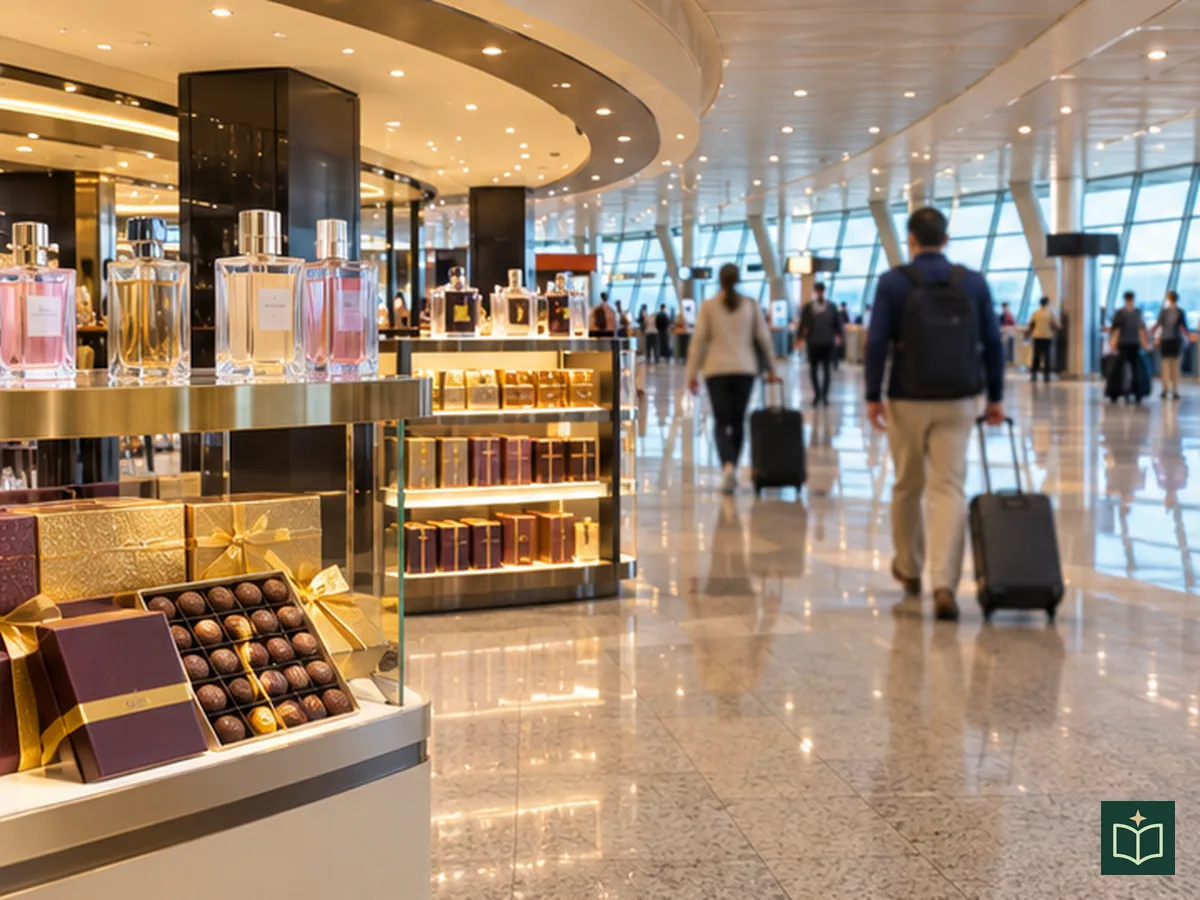
Flowers are too perishable for most sea journeys, so they travel by air. Boxed and kept in refrigerated trucks, they are taken to airports such as Nairobi or Bogotá and loaded into cargo holds of freighters or passenger aircraft. The pressure is greatest before Valentine's Day and Mother's Day, when flower flights multiply. Keeping the cold chain unbroken is the main challenge. A pallet left on hot tarmac while waiting to be loaded can lose days of vase life. Gulf airports have built specialised facilities; the Dubai Flower Centre, at Dubai International, includes temperature-controlled areas for handling flowers bound for the region and onward markets.
The clock auction
In the Netherlands, many flowers are sold through Royal FloraHolland, whose auction complex at Aalsmeer is among the largest buildings in the world by floor area. The cooperative traditionally uses a Dutch auction: the price on a large clock starts high and falls until a buyer presses a button to accept it. Because the first bid wins, sales are extremely fast, with thousands of transactions an hour, and buyers increasingly bid remotely. Purchased flowers are moved by automated trolleys to buyers' areas and loaded onto trucks or aircraft for shops across Europe. A growing share of flowers now bypasses the auction through direct contracts between farms, wholesalers and supermarket chains.
From wholesaler to vase
After the auction or direct sale, flowers are distributed to wholesalers, florists and supermarkets, still under refrigeration. Florists recut the stems on arrival, because the cut ends dry out or clog with bacteria, which blocks water uptake. They remove leaves below the waterline and use clean buckets with flower food, which supplies sugar and inhibits microbes. The same tips help at home: a fresh cut, clean water changed every few days and a cool spot away from direct sun and ripening fruit, which releases ethylene. A well-handled rose may last a week or more in the vase, while a poorly handled one wilts in a few days.
Why it matters
The cut-flower trade is a major export earner for several developing countries and supports large numbers of jobs, many of them held by women. It also raises questions about water use, worker conditions and the carbon emissions of air freight. Studies comparing Kenyan roses with Dutch greenhouse roses have found that heating and lighting greenhouses in northern Europe can use more energy than flying flowers from the equator, although the comparison depends on many assumptions. Certification schemes address labour and environmental standards. For shoppers, the journey explains why flowers are cheapest and freshest outside peak holidays, and why a bouquet's life depends on decisions made thousands of kilometres away.
Sources & further reading
Figures are rounded and widely published; check the linked organisations for the latest editions. These organisations do not endorse this website.