A universal catalogue
Every shipment that crosses a border must be described to customs in a way that officials anywhere can understand. The tool for this is the Harmonized Commodity Description and Coding System, usually called the Harmonized System or HS. Developed by the organisation now known as the World Customs Organization and in force since 1988, it covers around 5,000 groups of goods, each identified by a six-digit code. More than 200 countries and economies use it, covering the vast majority of world trade. The system is organised logically: 21 sections and 97 chapters, moving broadly from raw animal and vegetable products to processed goods, machinery, vehicles and works of art.
Reading a code
The first two digits identify the chapter, the first four the heading and all six the subheading. For example, chapter 08 covers edible fruit and nuts, and fresh or dried dates fall within heading 08.04. Countries may add further digits for their own tariffs and statistics; the UAE and other Gulf Cooperation Council states use longer national codes built on the shared six-digit base. Classification follows legal rules of interpretation, which consider what an item is made of, what it does and which description is most specific. Complex products, such as a smartwatch with health sensors or a set of mixed goods sold together, can be surprisingly difficult to classify.
Why the code matters
The HS code determines how much duty is payable, whether a product needs an import licence or health certificate, whether it qualifies for a free trade agreement and whether restrictions or bans apply. The GCC applies a common external tariff, with a standard rate of 5 per cent on most goods and exemptions for many essentials. A wrong code can lead to underpaying or overpaying duty, delays, penalties or seized goods. For a trading company importing goods worth AED 100,000, a difference of a few percentage points in the applicable duty can change the profitability of a shipment, which is why importers often consult brokers or request binding rulings in advance.
Declaring and clearing
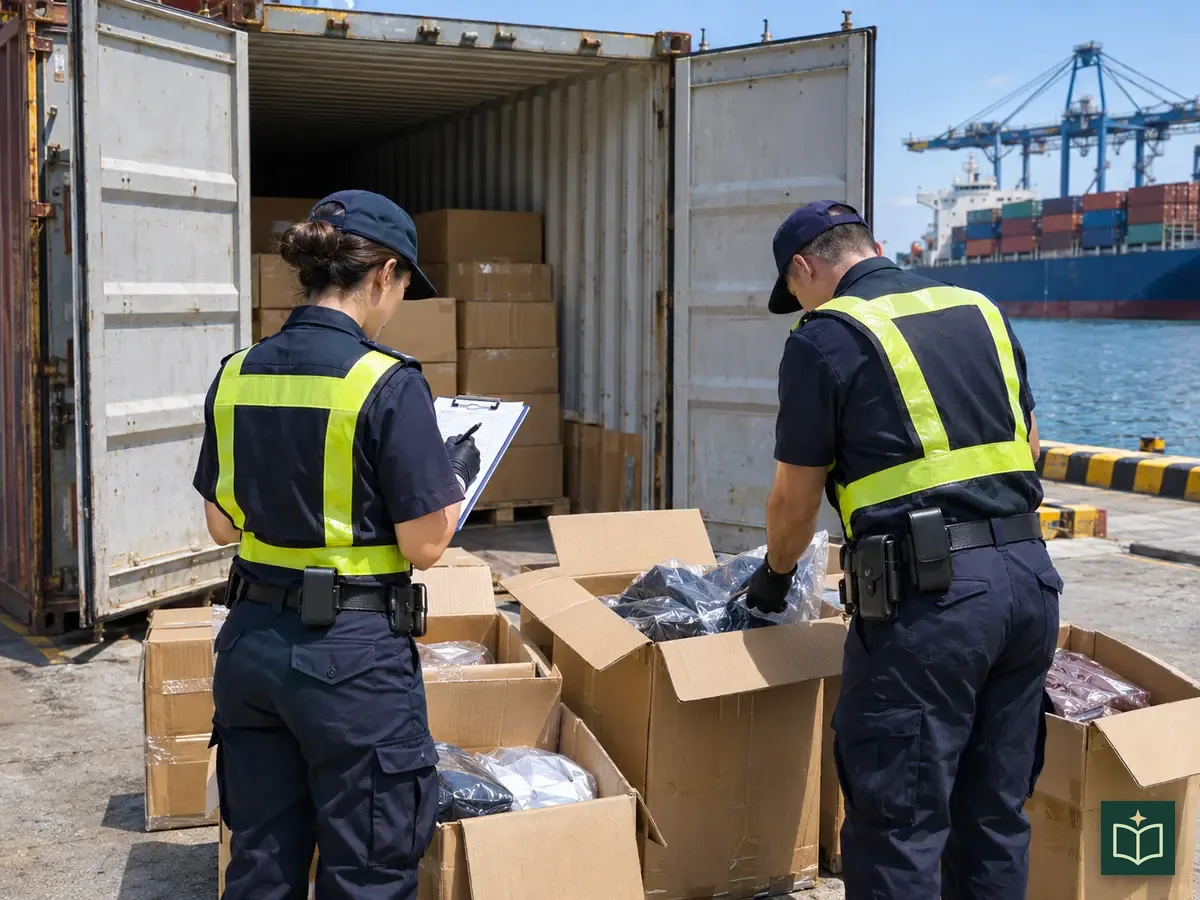
Most customs declarations are now made electronically, often through single-window systems that connect customs, ports and other agencies. In Dubai, for example, traders submit declarations through an online platform linked to the ports and free zones. The declaration includes the HS code, value, origin, quantity and the shipping documents. Risk management systems analyse each declaration, and most low-risk shipments are released quickly with documentary checks, while some are selected for physical inspection or scanning. Goods moving into free zones may be handled differently, since free zones often allow storage and re-export without paying duty until goods enter the local market.
Statistics and updates
Because every country uses the same six-digit base, HS codes make global trade statistics comparable. When you read that a country’s exports of a product have risen, the data almost certainly comes from customs declarations grouped by HS code. The World Customs Organization updates the system roughly every five years to reflect new products and policy needs, adding codes for items such as drones, smartphones or certain chemicals, and removing obsolete ones. The 2022 edition, for example, introduced new subheadings for electronic waste and several new technologies. Countries must update their national tariffs to match, a substantial task for customs authorities and traders.
Limits and misconceptions
An HS code describes what goods are, not where they come from or how much they are worth. Rules of origin, valuation and classification are separate questions, each with their own rules, and confusing them is a common source of errors. Two products that seem similar may have different codes, and the same product may have different national tariff lines in different countries even though the first six digits match. Online tools can suggest codes, but responsibility for correct classification usually rests with the importer. This article explains the system in general terms; businesses should take professional customs advice for specific goods and shipments.
Sources & further reading
Figures are rounded and widely published; check the linked organisations for the latest editions. These organisations do not endorse this website.