From name to number
Computers find each other using IP addresses, not names. When you type a web address, your device asks the Domain Name System—a distributed directory—for the matching address. The answer is often cached nearby, so it can take only a few milliseconds. Content delivery networks then direct you to a copy of the site stored in a data centre close to you.
The first and last hop
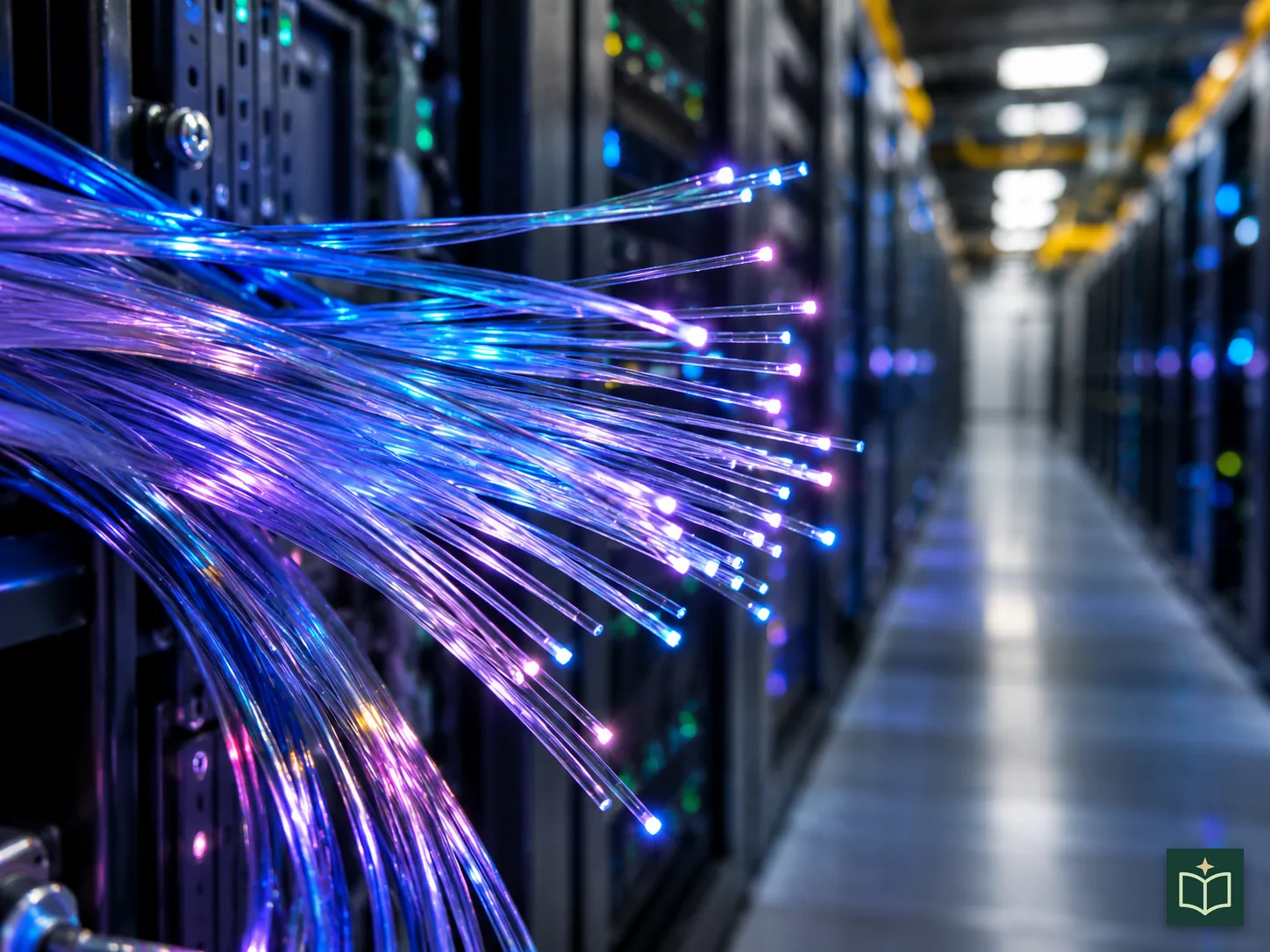
Your phone sends data by radio to a mobile mast or Wi-Fi router. From there, signals usually move onto fibre-optic cable, where pulses of light carry data. Routers along the way read each packet’s destination and pass it to the next network. A single page load can involve dozens of hops through networks owned by different companies.
Rules that make it work
Protocols are shared rules. TCP/IP breaks data into packets, numbers them and checks that they arrive; lost packets are re-sent. HTTPS encrypts the conversation between your browser and the website, which is what the padlock icon represents. Because everyone follows the same rules, equipment from many manufacturers can work together.
Under the sea
Between continents, almost all data travels through cables laid on the seabed, each containing a handful of fibre pairs protected by layers of steel and plastic. Hundreds of these cables link the world. When one is damaged—by ship anchors, for example—traffic is rerouted, though some regions with few cables can feel the slowdown.
Sources & further reading
Figures are rounded and widely published; check the linked organisations for the latest editions. These organisations do not endorse this website.