What food security means
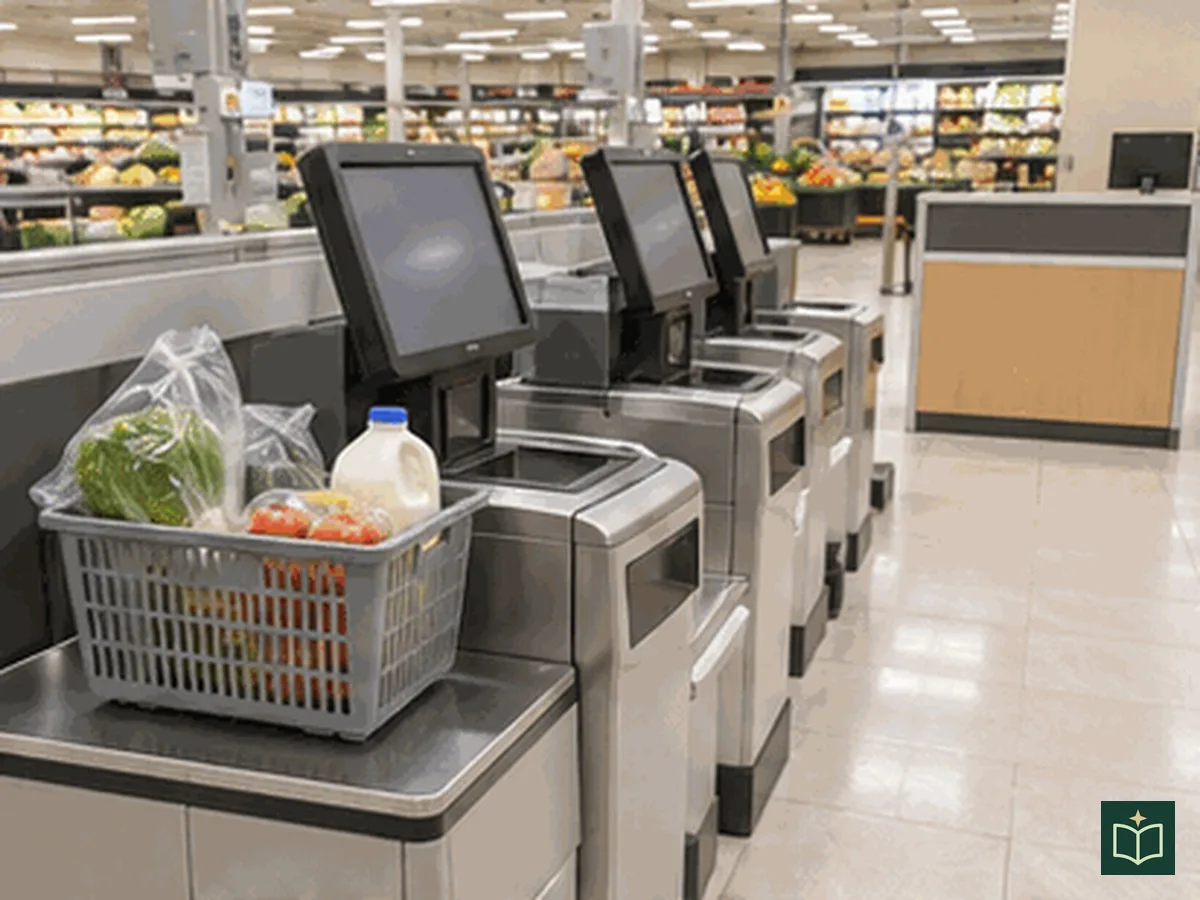
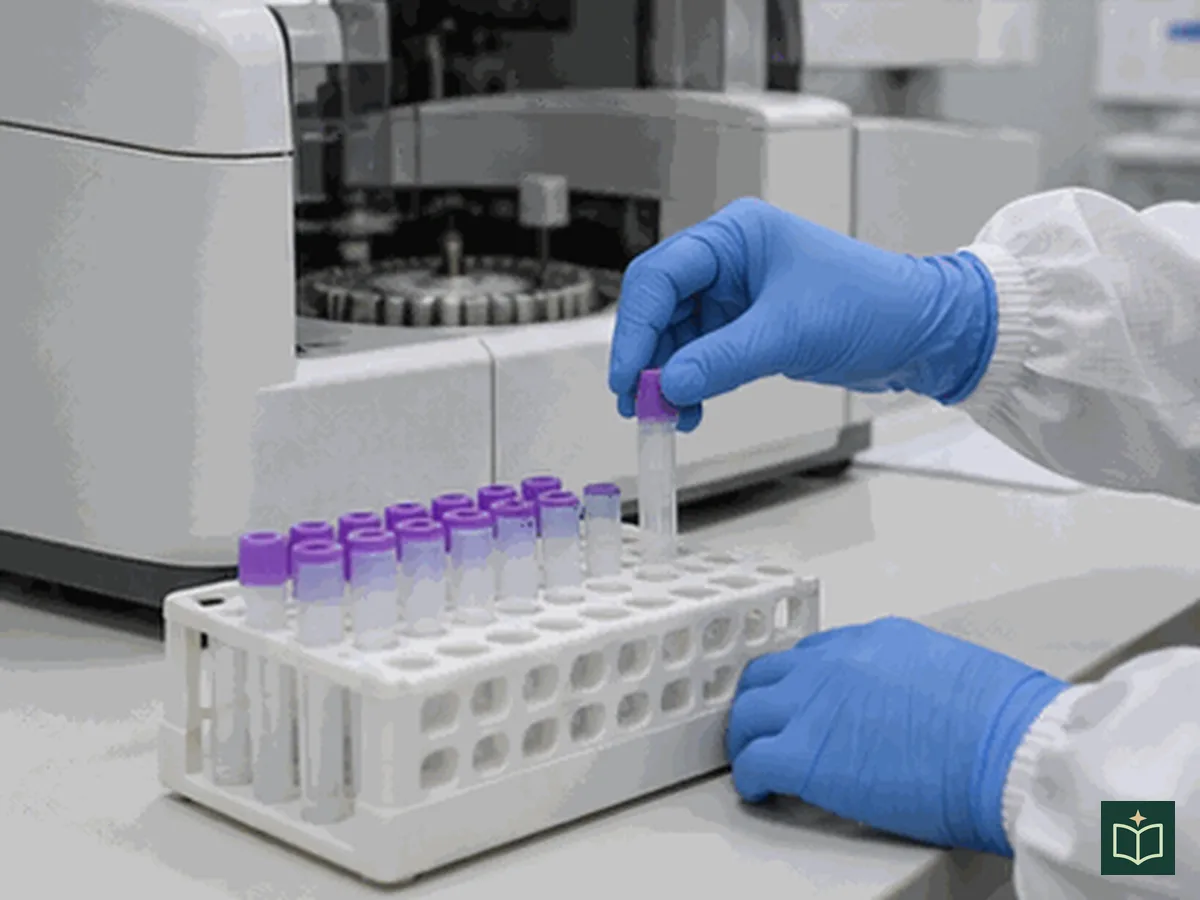
The Food and Agriculture Organization of the United Nations defines food security as a situation in which all people, at all times, have physical and economic access to sufficient, safe and nutritious food. That definition rests on four pillars: food must be available, affordable and accessible, safe and nutritious, and stable over time. For countries with abundant farmland, the focus is often on production and distribution. For countries with little water and arable land, such as most Gulf states, the challenge is different. They must import most of what they eat, which makes them exposed to price spikes, export bans, shipping disruptions and crises in distant places.
The UAE's situation
The UAE imports roughly 85 to 90 per cent of its food. It grows some vegetables, dates, poultry and dairy, but staples such as wheat, rice, sugar and cooking oil come largely from abroad. The 2007 to 2008 global food price crisis, when several exporting countries restricted sales, was a turning point for the Gulf. Governments realised that money alone could not guarantee supply when exporters closed their doors. The UAE appointed a minister of state for food security in 2017 and launched a National Food Security Strategy in 2018, with a goal of ranking among the world's most food-secure countries by 2051.
Strategic reserves
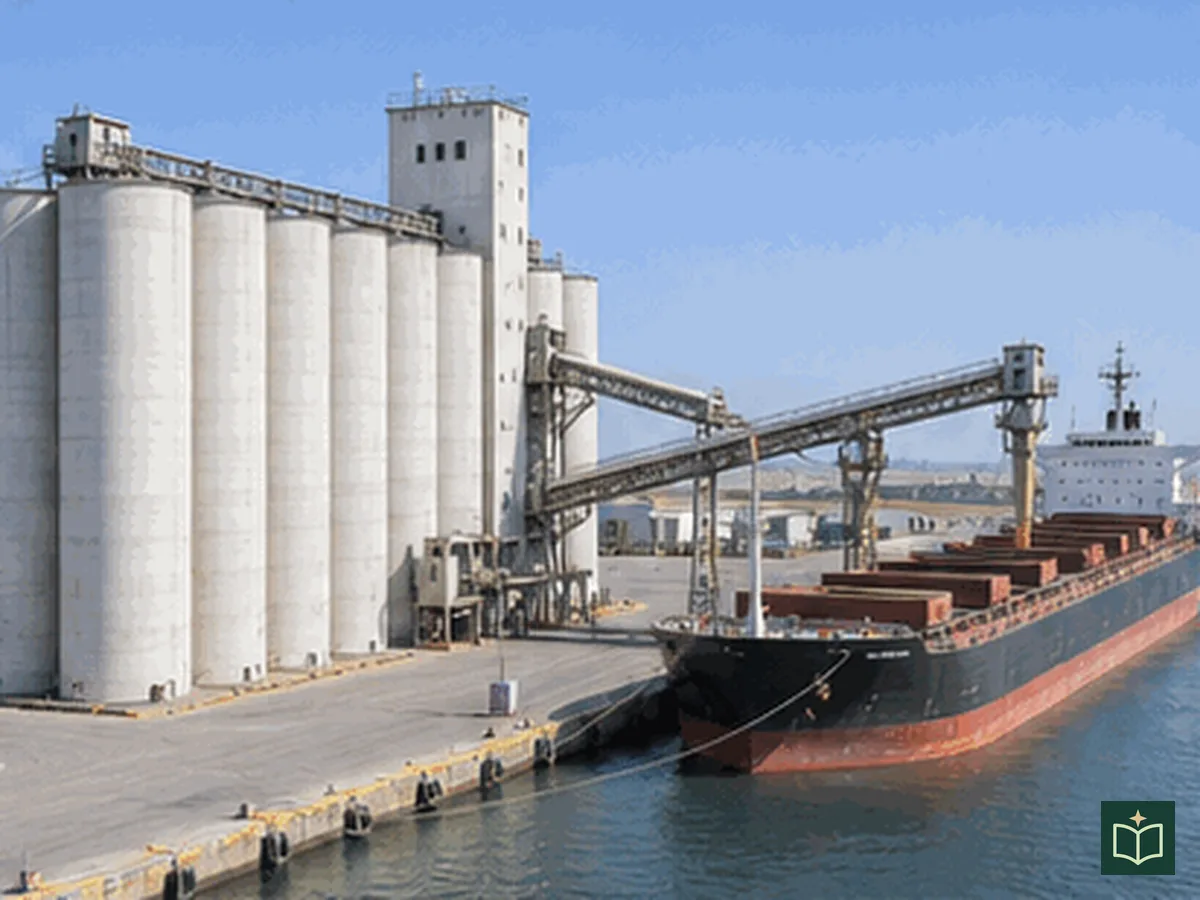
One response is to hold reserves of essential commodities. A UAE federal law passed in 2020 regulates a strategic stock of food items, requiring certain quantities to be held and managed. The basic arithmetic is straightforward. A country that consumes 1.2 million tonnes of wheat a year and wants a three-month buffer must keep about 300,000 tonnes in storage. Reserves must be rotated, because even dry grain deteriorates over time, so older stock is sold into the market and replaced with fresh supplies. Silos, cold stores and warehouses, often near ports, are part of the infrastructure. Other countries, such as China and India, keep much larger public grain reserves.
Diversifying suppliers and routes
Relying on one or two suppliers is risky. Gulf governments and importers spread purchases across many countries, so a drought, conflict or export ban in one region can be offset by buying elsewhere. Trade agreements help secure access; the UAE has signed a series of comprehensive economic partnership agreements with countries including India since 2022. Logistics matter as much as contracts. Shipping routes through narrow straits can be disrupted, so ports on different coasts, airfreight for perishables and land links provide alternatives. Large domestic food companies and traders also hold their own commercial stocks, adding to the reserves that governments manage directly.
Farming at home and abroad
Investment is the third strategy. Inside the country, governments support technologies that save water, such as greenhouses, hydroponics, vertical farms and aquaculture, to raise local output of vegetables, fish and other perishables. Abroad, Gulf state-linked companies have bought or leased farmland and invested in food producers in countries such as Egypt, Sudan, Romania, Australia and the United States, sending some of the output home. These investments can raise questions in host countries about land rights and local food needs, and they do not remove exposure to export restrictions. They do, however, give importers deeper relationships with suppliers and a share in production itself.
Stress tests and limits
The COVID-19 pandemic tested these arrangements when borders closed and shipping slowed. Gulf supermarkets largely remained stocked, partly because of reserves, diverse suppliers and fast logistics. Still, no strategy eliminates risk. Reserves cost money to store and rotate, and they can only cover months, not years. Local production depends on energy-intensive desalination and climate control. Global prices still pass through to consumers. Climate change may also make harvest failures in exporting regions more frequent. Food security for import-dependent nations is therefore an ongoing exercise in balancing cost against resilience, rather than a problem that can be solved once and then forgotten about.
Sources & further reading
Figures are rounded and widely published; check the linked organisations for the latest editions. These organisations do not endorse this website.